The plan to shore up Chicago-area transit agencies would raise $1.5 billion for the state’s transit networks.


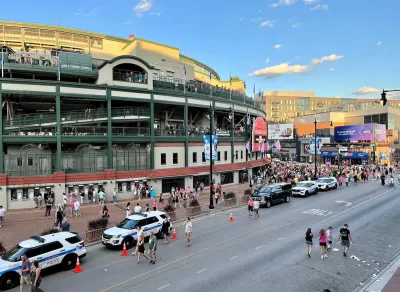
Illinois House Democrats introduced a proposal to fund Chicago-area transit system via new taxes on entertainment events and billionaires, as well as some revenue from speed cameras.
According to an article by Jeremy Gorner, Olivia Olander, and Talia Soglin in the Chicago Tribune, “Democrats who have a supermajority in the House proposed a 7% amusement tax that includes streaming services such as Netflix, a $5 surcharge per ticket on large events such as concerts and sports competitions and a 4.95% tax on unrealized gains on billionaires’ assets — known in shorthand as a billionaire’s tax, according to lawmakers and the bill.”
The proposal would raise $1.5 billion for the Chicago Transit Authority, Metra and Pace. “Without more money, the CTA has said, service cuts will begin in August of next year. That’s even with a proposed fare increase of 25 cents per ride to take effect Feb. 1.”
FULL STORY: Illinois House Democrats introduce new transit funding plan, eye billionaire and entertainment taxes

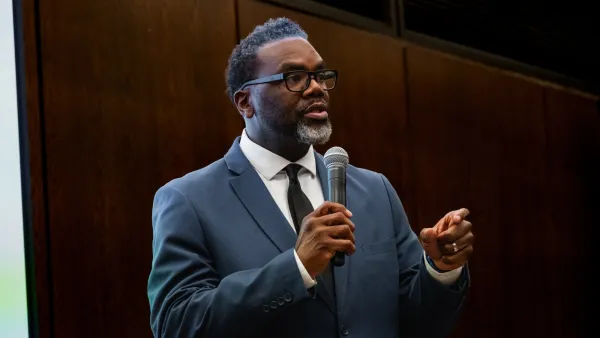
Chicago mayor nominates allies for new regional transit board
The Northern Illinois Transit Authority will take over transit decisions from the existing Regional Transportation Authority.
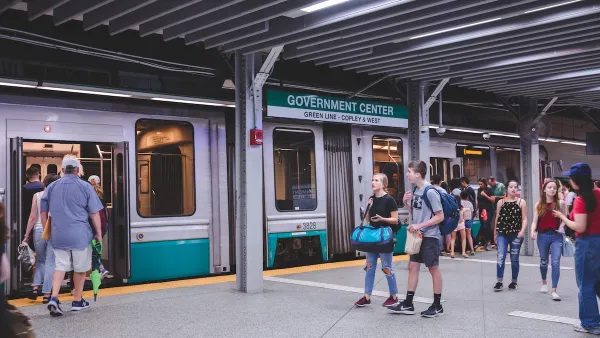
USDOT Threatens to Pull Chicago, Boston Transit Funding
The Trump administration is using isolated incidents on public transit systems to call for tighter security.
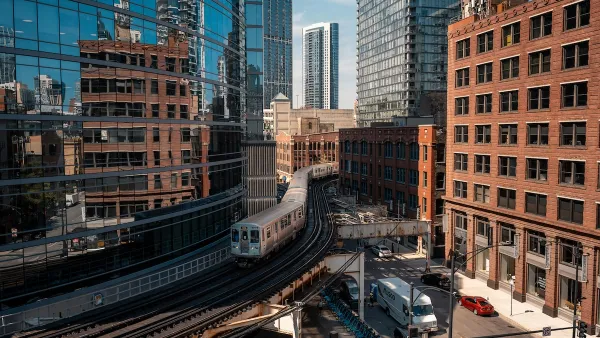
Chicago Transit: $770M Shortfall, 40% Service Cuts Loom
Despite dire warnings from transit officials, the Illinois General Assembly ended its legislative session without a solution.

Planetizen Federal Action Tracker
A weekly monitor of how Trump’s orders and actions are impacting planners and planning in America.

The state-sanctioned urbicide of Austin
People don’t kill cities. Freeways do.

US to reduce Colorado River water deliveries to Mexico
A new Colorado Treaty amendment reduces Mexico’s Colorado River water allocation by 250,000 acre feet.

5 New England states march closer to 800 megawatt wind energy project
Securing federal approval for the project may be complicated under the Trump administration, which has historically been hostile towards domestic wind power.

Baltimore to break ground on $50 million Transit Priority Project
The project will bring faster bus trips, safer streets and better bike connections to Baltimore.

Airbnb launches $250 million 'last-dollar financing' housing accelerator, makes first investment in Austin
The company will put $6.4 million towards affordable housing development in Texas’ capital.

FREE Course: Walkable City 1: Why Walkability?
After describing his path towards focusing on walkability as the essence of good planning, Jeff Speck marches through his five principal reasons for making more walkable places.
Reinventing Malls: Planning Alchemy—Turning Gray Fields Into Gold
The course focuses on the opportunities and imperatives that shape reinvention of mall sites.

Eagle County Government
Harvard University Graduate School of Design
Nashville Planning Department
The Architects Foundation
University of Cincinnati Online
The Pocatello Development Authority
The Urban Renewal Agency of the City of Pocatello
Journal of the American Planning Association