The line was originally slated to end service in 2027, but funding cuts will force its closure next March.


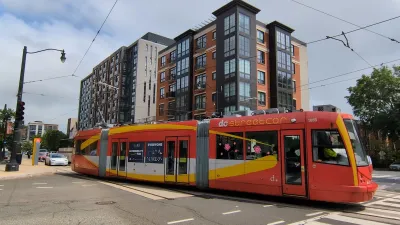
Washington, D.C.’s streetcar will end service in 2026, one year earlier than originally planned, reports Rachel Weiner in the Washington Post.
The D.C. Council cut the streetcar’s regular funding from its budget, forcing it to stop running next March. “The faster-than-expected wind down mirrors the fate of the D.C. Circulator bus service, which ran its last routes on Dec. 31. Both were dreamed up in the early 2000s, when D.C. leaders were looking to spur tourism and development by taking people to places the Metro system didn’t reach.”
Ridership on the streetcar never gained strength, in part because the line lacks a dedicated, blocked-off track and plans to extend it to more areas never materialized. D.C. Mayor Muriel Bowser said in May that the streetcar will be replaced by an electric bus using the same overhead wires in late 2028 or 2029.
Read the full story: Budget cut means D.C. Streetcar will shut down in March

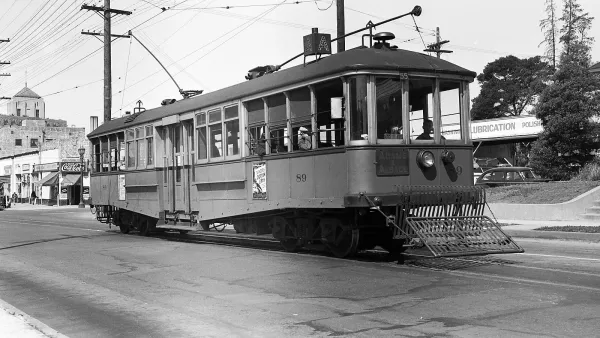
A History of Public Transit Disinvestment in the US
The Union of Concerned Scientists takes us on a “trip down memory ‘train,’” examining the history of public transit, including its chronic disinvestment and perpetuation of racism, from the 1800s to today.
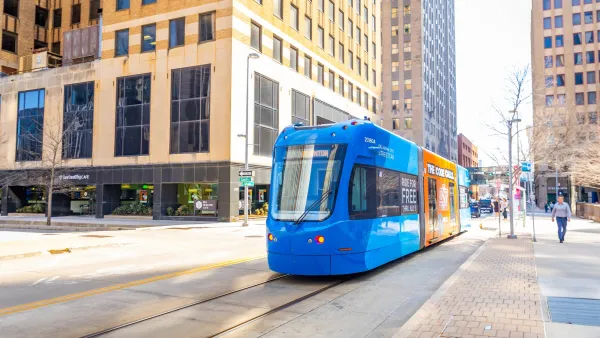
OKC streetcar will stay fare-free after ridership shot up 74%
The downtown streetcar saw a surge in ridership after it eliminated fares in January.
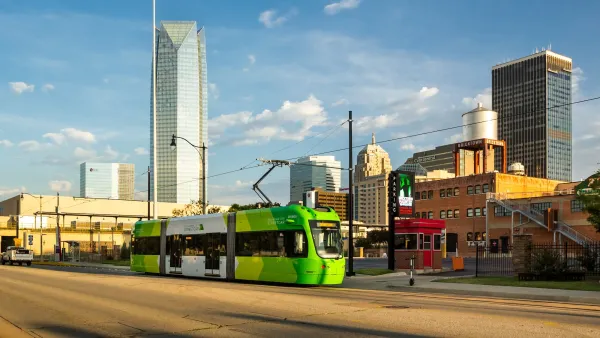
Oklahoma City bets on transit
The city's mayor is urging residents to support a new sales tax that would fund transit expansion in the growing city.

Planetizen Federal Action Tracker
A weekly monitor of how Trump’s orders and actions are impacting planners and planning in America.

The state-sanctioned urbicide of Austin
People don’t kill cities. Freeways do.

Colorado’s Largest Data Center Could Rise Next to Homes — Without a Public Hearing
The proposed campus would consume 11 times the power of Denver International Airport; as it has across the country, opposition mounts.

Judges permit Denver to divert 77,000 acre feet from the Colorado River for reservoir expansion
Overuse and climate change have caused the Colorado River’s water levels to plummet.
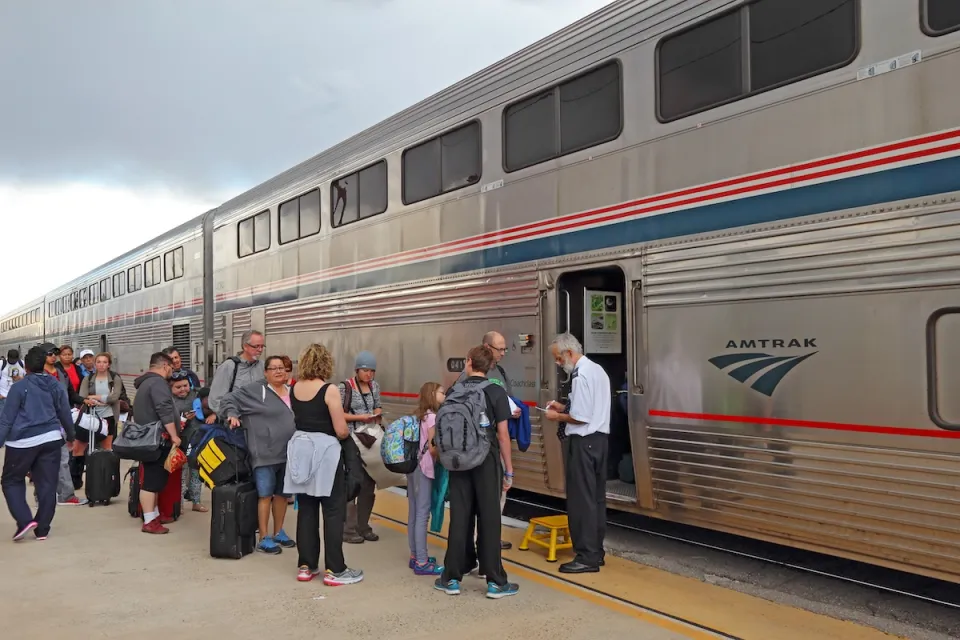
Amtrak, CN end decades-long dispute with eight-year agreement
The new operating agreement establishes an updated framework for the companies to work together, including processes to resolve disputes.
Raised interest rates may kill financially vulnerable construction projects
The chief economist at ConstructConnect warns that if construction project owners are negatively impacted by the raised rates, it could result in delayed payments to contractors.

FREE Course: Walkable City 1: Why Walkability?
After describing his path towards focusing on walkability as the essence of good planning, Jeff Speck marches through his five principal reasons for making more walkable places.
Reinventing Malls: Planning Alchemy—Turning Gray Fields Into Gold
The course focuses on the opportunities and imperatives that shape reinvention of mall sites.

KFH Group Inc.
Greater Baltimore Committee
Eagle County Government
The Architects Foundation
University of Cincinnati Online
The Pocatello Development Authority
The Urban Renewal Agency of the City of Pocatello