Two years after the Lahaina and Kula wildfires, hundreds of homes are under construction and community resilience is strong, though many survivors remain displaced and long to return home.


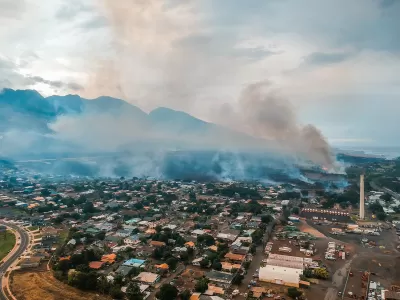
On the second anniversary of the devastating August 2023 wildfires in Lahaina and Kula, the sound of hammers and saws now fills neighborhoods once reduced to ash. According to the Maui County recovery dashboard, 280 homes are currently under construction and 50 have already been completed, exceeding early expectations that rebuilding might take years to begin. For many residents, including families like the Kaleiopus, seeing frames rise and trees regrow has brought a new sense of hope, even as memories of the fire’s destruction and loss remain.
As reported by Colleen Uechi, progress is reflected not only in construction but also in declining numbers of people living in temporary housing. Federal disaster recovery funds, nonprofit support, and philanthropic efforts are helping survivors move forward, with $1.6 billion in federal grants slated to aid rebuilding and homeownership. Still, many families remain displaced, either unable to afford full rebuilds or hesitant to return to neighborhoods that feel eerily quiet compared to the lively communities they once knew.
Community leaders stress that recovery must honor Lahaina’s deep cultural and historical roots. Advocates like Archie Kalepa caution against repeating the mistakes of over-commercialization and emphasize the need for multi-generational families to return home to preserve traditions. County officials, meanwhile, have pledged to prioritize housing for kama‘āina and to ensure that rebuilding does not come at the expense of heritage. Despite ongoing challenges, the resilience of survivors and the collective spirit of the community have been central to Lahaina’s recovery, signaling that healing is possible even amid grief.

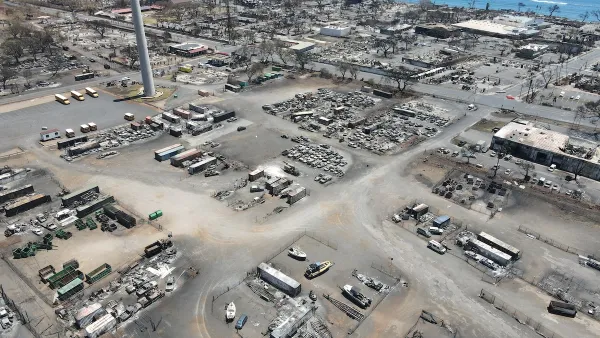
$2.1 Billion Secured for Maui Wildfire Recovery and Resilience
Congress has approved federal funding to support Maui’s wildfire recovery, including housing, economic development, and infrastructure improvements while fostering long-term community resilience and preparedness.
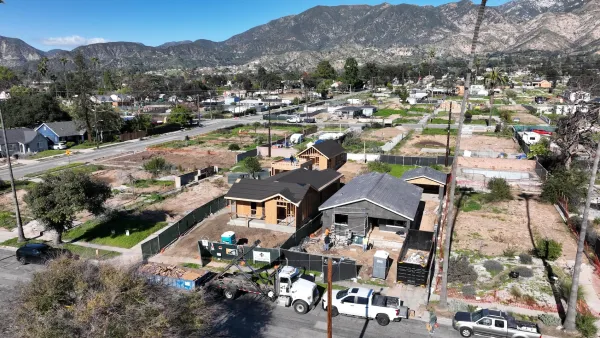
Almost 40% of LA fire survivors face a housing crisis
Many Angelenos who lost their homes in the Altadena and Pacific Palisades fires have already run out of temporary housing funds.

Modular Homes Offer ‘Dignified’ Shelter for Maui Wildfire Survivors
FEMA is replacing traditional trailers, which quickly deteriorate and are unfit for long-term habitation, with modular, fire-resistant homes designed to last.

Planetizen Federal Action Tracker
A weekly monitor of how Trump’s orders and actions are impacting planners and planning in America.

The state-sanctioned urbicide of Austin
People don’t kill cities. Freeways do.

US to reduce Colorado River water deliveries to Mexico
A new Colorado Treaty amendment reduces Mexico’s Colorado River water allocation by 250,000 acre feet.

5 New England states march closer to 800 megawatt wind energy project
Securing federal approval for the project may be complicated under the Trump administration, which has historically been hostile towards domestic wind power.

Baltimore to break ground on $50 million Transit Priority Project
The project will bring faster bus trips, safer streets and better bike connections to Baltimore.

Airbnb launches $250 million 'last-dollar financing' housing accelerator, makes first investment in Austin
The company will put $6.4 million towards affordable housing development in Texas’ capital.

FREE Course: Walkable City 1: Why Walkability?
After describing his path towards focusing on walkability as the essence of good planning, Jeff Speck marches through his five principal reasons for making more walkable places.
Reinventing Malls: Planning Alchemy—Turning Gray Fields Into Gold
The course focuses on the opportunities and imperatives that shape reinvention of mall sites.

Eagle County Government
Harvard University Graduate School of Design
Nashville Planning Department
The Architects Foundation
University of Cincinnati Online
The Pocatello Development Authority
The Urban Renewal Agency of the City of Pocatello
Journal of the American Planning Association