The Miami ruling is the first to find the company partly responsible in a crash that killed one pedestrian and injured another.


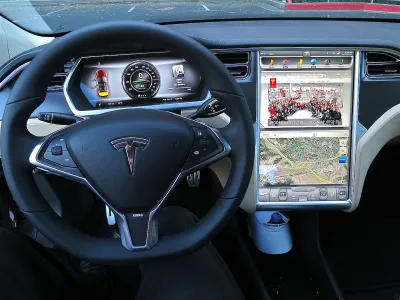
For the first time, Tesla was found liable in a crash of one of its Model S vehicles equipped with its Autopilot feature, reports Aarian Marshall for Wired. A Miami court found the company liable for $200 million in punitive damages and $43 million in compensatory damages for a 2019 Florida Keys crash that killed one person and injured another.
“A jury found the automaker one-third responsible for the crash; it found the driver of the Tesla, who settled with the plaintiffs and testified during the trial, responsible for the other two-thirds,” Marshall adds. “During the three-week Miami trial, lawyers representing the plaintiffs argued that Tesla and CEO Elon Musk created false expectations among drivers about Autopilot’s capabilities.”
The company was not found liable in two 2023 California crashes and settled other lawsuits out of court. Tesla has also faced multiple federal and state investigations into crashes involving its cars and its promotion of the Autopilot feature.
FULL STORY: Tesla Found Partly Liable in 2019 Autopilot Death

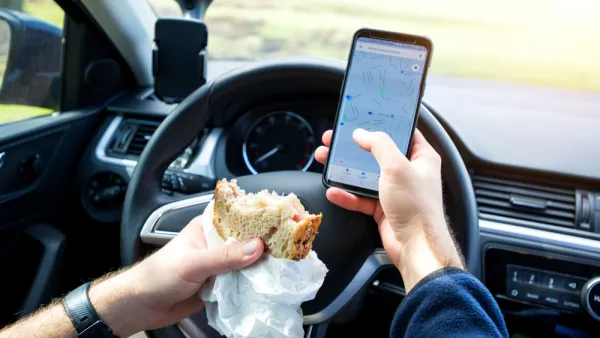
Study: Many Driver Assist Users Consider Their Cars Self-Driving
Almost half of drivers using Tesla and GMC driver assist technology report feeling comfortable treating their cars as fully autonomous.

IIHS: Drivers Using ‘Autonomous’ Features More Likely to Be Distracted
Despite warnings that drivers should remain attentive, people behind the wheel of cars equipped with ‘autonomous’ assistance often take their eyes off the road.
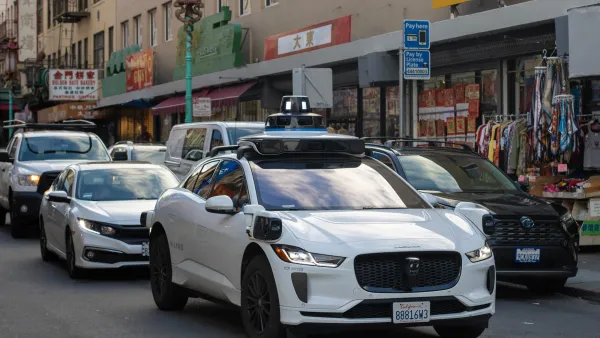
New Jersey bill would require AVs to use 3 sensing technologies — banning Tesla's robotaxi fleet
Elon Musk has been 'largely alone' in his conviction that radar and lidar sensors are not necessary for the safe operation of autonomous cars.

Planetizen Federal Action Tracker
A weekly monitor of how Trump’s orders and actions are impacting planners and planning in America.

The state-sanctioned urbicide of Austin
People don’t kill cities. Freeways do.

US to reduce Colorado River water deliveries to Mexico
A new Colorado Treaty amendment reduces Mexico’s Colorado River water allocation by 250,000 acre feet.

5 New England states march closer to 800 megawatt wind energy project
Securing federal approval for the project may be complicated under the Trump administration, which has historically been hostile towards domestic wind power.

Baltimore to break ground on $50 million Transit Priority Project
The project will bring faster bus trips, safer streets and better bike connections to Baltimore.

Airbnb launches $250 million 'last-dollar financing' housing accelerator, makes first investment in Austin
The company will put $6.4 million towards affordable housing development in Texas’ capital.

FREE Course: Walkable City 1: Why Walkability?
After describing his path towards focusing on walkability as the essence of good planning, Jeff Speck marches through his five principal reasons for making more walkable places.
Reinventing Malls: Planning Alchemy—Turning Gray Fields Into Gold
The course focuses on the opportunities and imperatives that shape reinvention of mall sites.


Eagle County Government
Harvard University Graduate School of Design
Nashville Planning Department
The Architects Foundation
University of Cincinnati Online
The Pocatello Development Authority
The Urban Renewal Agency of the City of Pocatello
Journal of the American Planning Association