A court order bars the provincial government from removing bike lanes, saying the decision would make roads more dangerous and fail to reduce congestion.


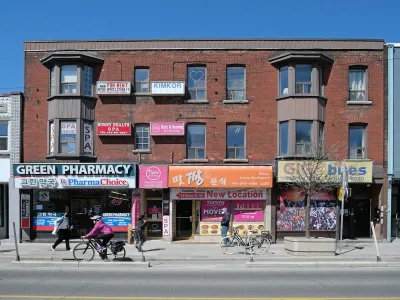
In a potentially unprecedented move, an Ontario judge blocked the provincial government’s plan to remove bike lanes in Toronto, calling the decision unconstitutional. The court ruled that removing the three bike lanes in question “will put people at increased risk of harm and death, which engages the right to life and security of the person.”
As Julia Alevato explains for CBC News, “The province has been pushing for the removals as a solution to Toronto's traffic congestion, but cyclists and advocates say bike lanes are crucial for public safety and that removing them won't solve traffic concerns.” The judge concluded the removals would not reduce congestion — in fact, that bike lanes do so by offering an alternative method of transportation.
The removal of the bike lanes was a campaign issue for Premier Doug Ford, who promised to remove the bike lanes despite opposition from Toronto’s mayor and bike advocacy groups. According to a city spokesperson, “The city is tackling the root causes of congestion by hiring traffic agents, speeding up construction, and improving subways, streetcars, and buses so more people take public transit.”
FULL STORY: Ontario court strikes down Ford government's plan to remove Toronto bike lanes


Lawsuit Delays DC Bike Lane Closure Until at Least April
Crashes on 15th Street dropped by 46% since the bike lanes were added.

USDOT secretary plans to pull $1.73B from 'DEI bike lanes'
The move jeopardizes dozens of road safety projects around the country.
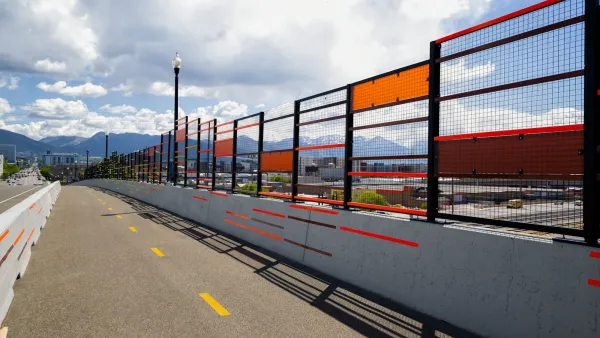
Salt Lake City opens protected bike path on viaduct trail
The 400 South Viaduct Trail features the state's longest continuous piece of public art.

Planetizen Federal Action Tracker
A weekly monitor of how Trump’s orders and actions are impacting planners and planning in America.

The state-sanctioned urbicide of Austin
People don’t kill cities. Freeways do.

US to reduce Colorado River water deliveries to Mexico
A new Colorado Treaty amendment reduces Mexico’s Colorado River water allocation by 250,000 acre feet.

Baltimore to break ground on $50 million Transit Priority Project
The project will bring faster bus trips, safer streets and better bike connections to Baltimore.

Airbnb launches $250 million 'last-dollar financing' housing accelerator, makes first investment in Austin
The company will put $6.4 million towards affordable housing development in Texas’ capital.

Guerilla urbanists are building DIY bus stop benches in Chicago
A before-and-after of one of the bus stops with a new bench. The new benches are not officially sanctioned or permitted, but the residents who placed them hope they will be the start of a network of DIY benches across the city.

FREE Course: Walkable City 1: Why Walkability?
After describing his path towards focusing on walkability as the essence of good planning, Jeff Speck marches through his five principal reasons for making more walkable places.
Reinventing Malls: Planning Alchemy—Turning Gray Fields Into Gold
The course focuses on the opportunities and imperatives that shape reinvention of mall sites.

Eagle County Government
Harvard University Graduate School of Design
Nashville Planning Department
The Architects Foundation
University of Cincinnati Online
The Pocatello Development Authority
The Urban Renewal Agency of the City of Pocatello
Journal of the American Planning Association