The 2024 CLRC showcased innovative strategies for transforming brownfields into sustainable, equitable community assets, emphasizing environmental, social, and economic empowerment through land reuse.


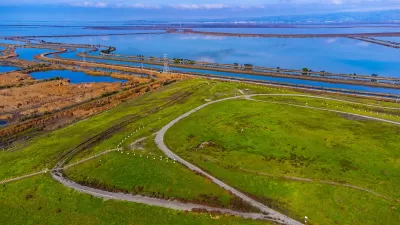
The 2024 California Land Recycling Conference (CALRC) opened with a powerful question posed by U.S. Environmental Protection Agency (EPA) Region 9 Administrator Martha Guzman: “How many of you believe in redemption?” Her reference to the reinvestment in brownfields set the tone for the event, which explored the transformative potential of land reuse in communities. Nearly 400 attendees gathered in Carson, California, to learn from 80 speakers across 32 sessions. This year’s theme, From the Ground Up, highlighted brownfield redevelopment as a way to empower communities through environmental, social, and economic innovations while advancing equity.
A standout session was the Women Visionaries panel, where prominent female leaders like the California Department of Toxic Substances Control (DTSC) Director Dr. Meredith Williams, EPA Deputy Administrator Cheree Peterson, and Greenlining Institute CEO Debra Gore-Mann shared their experiences of navigating non-traditional career paths. They encouraged young professionals to use their voices, embrace bravery, and work toward justice. Scholars Leah and Richard Rothstein emphasized the need to address segregation through policy changes and innovative land reuse, advocating for dense zoning and mixed-income housing to create more equitable communities.
Interactive sessions at CALRC also introduced participants to new tools and strategies for land reuse. Workshops focused on funding strategies, community engagement, and housing entitlement processes, while technical sessions discussed the environmental impact of land cleanup efforts. Attendees were inspired by case studies from Fresno, West Sacramento, and Oakland, showcasing how revitalizing parks and creating affordable housing can uplift underserved areas. The conference closed with a call to action, urging participants to apply the knowledge and connections they gained to continue building a more just and sustainable future.
FULL STORY: CALRC 2024: From the Ground Up

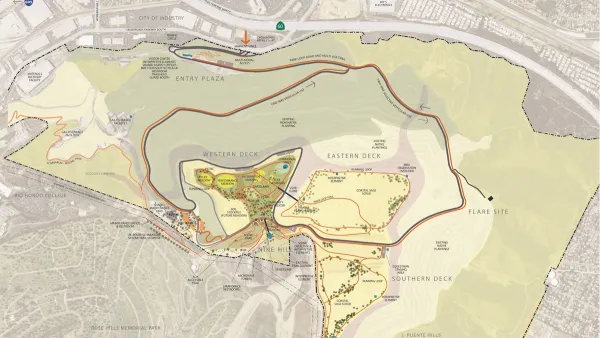
Trash to Treasure: New Park Set to Redefine Open Space in the San Gabriel Valley
Puente Hills Landfill Park, opening in 2027, will transform a former landfill into a regional park with trails, scenic vistas, and various amenities, addressing environmental justice and providing much-needed green space for the San Gabriel Valley.

Fundraising Begins for Development of 100-Acre Park in Los Angeles
River LA has launched a capital campaign to develop the 100-acre Taylor Yard Park, featuring amenities like a welcome pavilion, wetlands, and a pedestrian bridge, with completion costs estimated at over $1 billion.
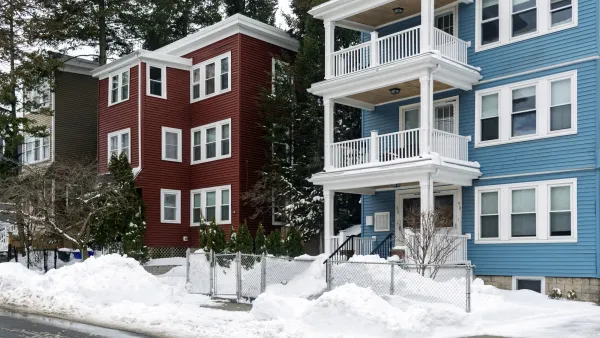
Boston's 'sliver lots' could yield over 1,500 affordable homes
The city has identified over 500 vacant parcels suitable for infill housing.

The state-sanctioned urbicide of Austin
People don’t kill cities. Freeways do.

US to reduce Colorado River water deliveries to Mexico
A new Colorado Treaty amendment reduces Mexico’s Colorado River water allocation by 250,000 acre feet.

New Jersey’s second-largest city bans standalone data centers
Jersey City will continue to allow co-location facilities, such as those meant for research institutions that store their own data.

Amtrak not solely to blame for New Jersey commuter rail's unreliability, report finds
A new study from the Garden State Initiative found that NJ Transit’s budget grew 20% across a 4 year period, but reliability declined significantly over the same period.

EPA erases limits on planet-warming pollution from power plants
Under Monday’s plan, power plants would still have some limits on how much mercury, arsenic and other contaminants they can emit.

Phoenix announces new on-demand transit service, more frequent RAPID buses
Both new services will launch in October, and are part of Phoenix's Project Effective Access Solutions for Easing Congestion.

FREE Course: Walkable City 1: Why Walkability?
After describing his path towards focusing on walkability as the essence of good planning, Jeff Speck marches through his five principal reasons for making more walkable places.
Reinventing Malls: Planning Alchemy—Turning Gray Fields Into Gold
The course focuses on the opportunities and imperatives that shape reinvention of mall sites.

Eagle County Government
Harvard University Graduate School of Design
Nashville Planning Department
The Architects Foundation
University of Cincinnati Online
The Pocatello Development Authority
The Urban Renewal Agency of the City of Pocatello
Journal of the American Planning Association