Parts of North Carolina previously considered immune to the impact of hurricanes experienced historic flooding in the aftermath of the storm.


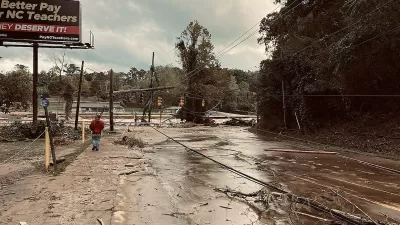
Even so-called “climate havens’ like Asheville, North Carolina are feeling the devastating impacts of Hurricane Helene, indicating that no region is safe from increasingly dangerous hurricanes and other climate-fueled disasters, write Chelsea Harvey and Thomas Frank in Scientific American.
Communities across Florida, Georgia, South Carolina, North Carolina, Tennessee and surrounding states were inundated by catastrophic floods. Millions of people lost power. And property damages are expected to amount to tens of billions of dollars.
Helene could, at the end of the day, be one of the most expensive weather disasters in U.S. history, with damages projected to be as much as $110 billion and over 60 deaths reported so far. Towns in the western part of the state previously considered isolated from hurricane damage received over 10 inches of rain, with some areas receiving as much as 30 inches.
Meanwhile, many of the homeowners in the region don’t have flood insurance, which is sold separately and often comes at a high cost. “Just 0.8 percent of the nearly 700,000 households in heavily flooded North Carolina counties have flood insurance through FEMA, agency records show.” Even in Florida, just 25 percent of households in flood risk areas have a policy.
FULL STORY: Hurricane Helene’s Devastation Shows No Region Is Safe from Climate-Fueled Disaster

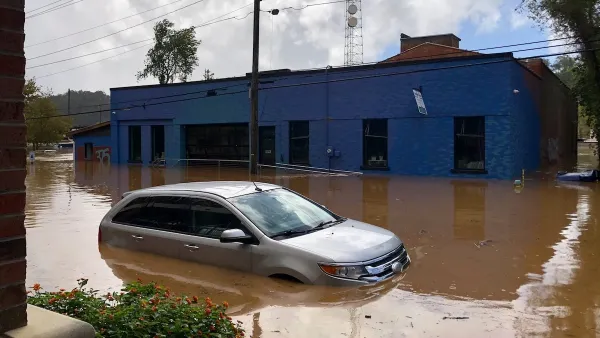
Love Letter to Asheville
A River Arts District resident and urbanist reflects on her experience in the former “climate haven” in the aftermath of Hurricane Helene.
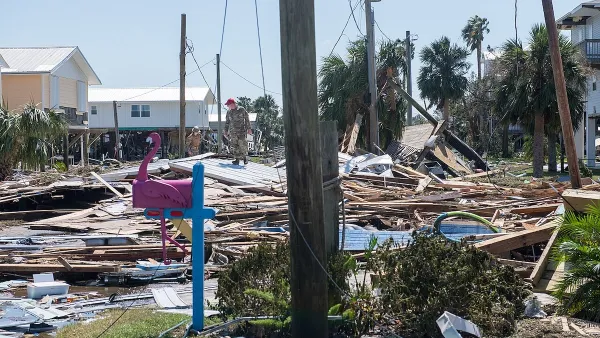
Hurricane Helene Highlights Growing Threat to Florida’s ‘Big Bend’
The region is becoming more vulnerable to flooding and storm damage due in part to climate change and warmer seas.
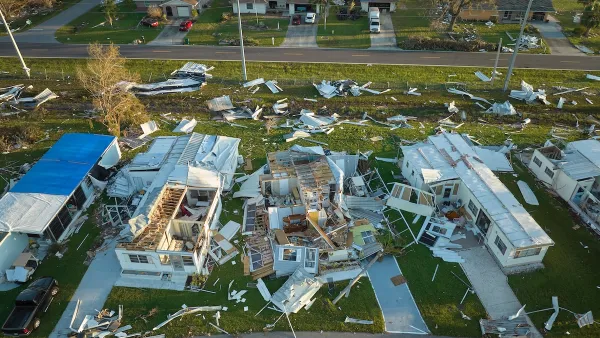
Florida Home Insurers Disproportionately Dropping Low-Income Households
Non-renewal rates are highest in inland counties, not the coastal areas most immediately vulnerable to storms.

The state-sanctioned urbicide of Austin
People don’t kill cities. Freeways do.

US to reduce Colorado River water deliveries to Mexico
A new Colorado Treaty amendment reduces Mexico’s Colorado River water allocation by 250,000 acre feet.

New Jersey’s second-largest city bans standalone data centers
Jersey City will continue to allow co-location facilities, such as those meant for research institutions that store their own data.

Amtrak not solely to blame for New Jersey commuter rail's unreliability, report finds
A new study from the Garden State Initiative found that NJ Transit’s budget grew 20% across a 4 year period, but reliability declined significantly over the same period.

EPA erases limits on planet-warming pollution from power plants
Under Monday’s plan, power plants would still have some limits on how much mercury, arsenic and other contaminants they can emit.

Phoenix announces new on-demand transit service, more frequent RAPID buses
Both new services will launch in October, and are part of Phoenix's Project Effective Access Solutions for Easing Congestion.

FREE Course: Walkable City 1: Why Walkability?
After describing his path towards focusing on walkability as the essence of good planning, Jeff Speck marches through his five principal reasons for making more walkable places.
Reinventing Malls: Planning Alchemy—Turning Gray Fields Into Gold
The course focuses on the opportunities and imperatives that shape reinvention of mall sites.


Eagle County Government
Harvard University Graduate School of Design
Nashville Planning Department
The Architects Foundation
University of Cincinnati Online
The Pocatello Development Authority
The Urban Renewal Agency of the City of Pocatello
Journal of the American Planning Association