Texas has lost 25 rural hospitals in the last two decades, more than any other state.


More than half of rural hospitals in Texas are at risk of closure, putting more of the state’s population farther from medical care. “Recent data indicates that 108 of those hospitals have reduced or lost critical services. Eighty-seven are at risk of closure, and 22 face the threat of shutting down immediately,” explains Madeline de Figueiredo in The Daily Yonder. Meanwhile, much of the rural population is older, with a growing need for healthcare services.
Hospitals are primarily closing due to financial issues. “Compared to urban areas, rural communities often have older, sicker, poorer, and more underinsured populations, along with lower patient volumes and limited purchasing power.” Texas also has one of the highest uninsured rates in the nation, with almost 22 percent of adults between 19 and 64 lacking insurance.
For rural communities, these closures can have devastating consequences. According to de Figueiredo, patient mortality rates increase by 8.7 percent when a rural hospital closes. When an urban hospital closes, mortality rates remain unchanged since there are usually other nearby facilities available.
FULL STORY: Report: Over Half of Texas’ Rural Hospitals Are at Risk of Closure

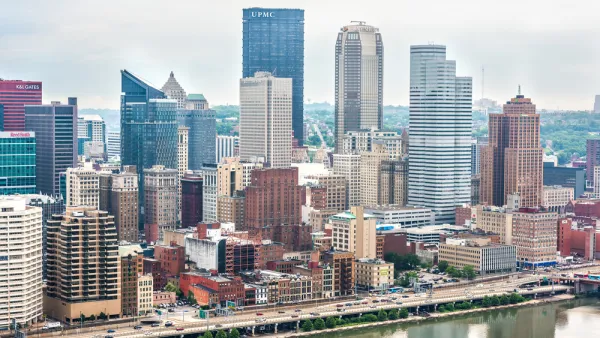
Three New Hospitals Slated for Pittsburgh
The cutting-edge facilities are part of a $2 billion investment by the University of Pittsburgh Medical Center.
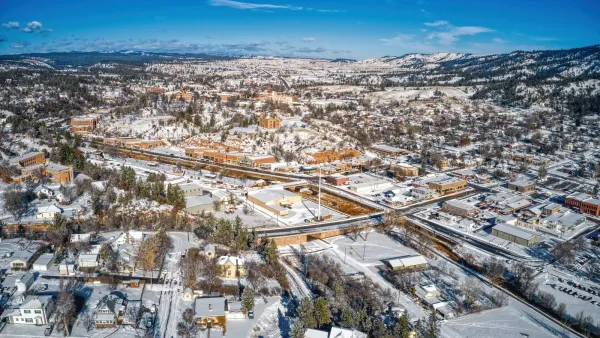
A South Dakota hospital is funding a new subdivision for its employees
Some employees see investing in housing as the only way to stem the loss of workers moving away due to high housing costs.

Baltimore Zoning Bill Seeks to Improve Unequal Healthcare Access
A zoning reform proposal would update the city’s code to ensure health clinics are more equitably distributed in all neighborhoods.

Planetizen Federal Action Tracker
A weekly monitor of how Trump’s orders and actions are impacting planners and planning in America.

The state-sanctioned urbicide of Austin
People don’t kill cities. Freeways do.

US to reduce Colorado River water deliveries to Mexico
A new Colorado Treaty amendment reduces Mexico’s Colorado River water allocation by 250,000 acre feet.

Airbnb launches $250 million 'last-dollar financing' housing accelerator, makes first investment in Austin
The company will put $6.4 million towards affordable housing development in Texas’ capital.

Guerilla urbanists are building DIY bus stop benches in Chicago
A before-and-after of one of the bus stops with a new bench. The new benches are not officially sanctioned or permitted, but the residents who placed them hope they will be the start of a network of DIY benches across the city.

Mamdani overhauls NYC's Vision Zero plan with 100 new policy goals
The overhaul aims to reduce traffic deaths and make streets safer for pedestrians, cyclists and drivers through lower speed limits, new safety infrastructure and more.

FREE Course: Walkable City 1: Why Walkability?
After describing his path towards focusing on walkability as the essence of good planning, Jeff Speck marches through his five principal reasons for making more walkable places.
Reinventing Malls: Planning Alchemy—Turning Gray Fields Into Gold
The course focuses on the opportunities and imperatives that shape reinvention of mall sites.


Eagle County Government
Harvard University Graduate School of Design
Nashville Planning Department
The Architects Foundation
University of Cincinnati Online
The Pocatello Development Authority
The Urban Renewal Agency of the City of Pocatello
Journal of the American Planning Association