Some employees see investing in housing as the only way to stem the loss of workers moving away due to high housing costs.


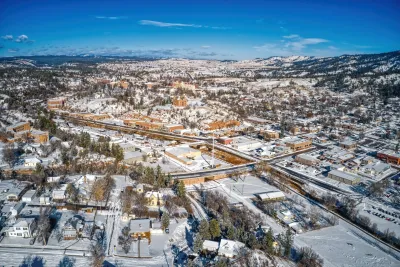
A hospital in Hot Springs, South Dakota is investing in workforce housing for its employees, reports Bart Pfankuch for the Associated Press.
Fall River Health Services is spending $2.3 million on a $3.4-million subdivision that will create 48 new affordable homes near the hospital. "As of May 29, the hospital had 19 job openings, most of them in direct patient care, a shortage of 10% of its needed workforce of 190. In the past couple years, the hospital has lost dozens of prospective health care workers because they couldn’t find affordable or suitable local housing, said Jesse Naze, chief financial officer at Fall River Health."
Fall River Health is not the only South Dakota employer to invest in employee housing. "Wall Drug president Rick Hustead told News Watch in 2025 that he provides mobile homes and other housing for more than 100 seasonal employees who would otherwise have nowhere to live," and business operators in other towns have said they provide RVs for seasonal workers. However, Fall River is the first employer to invest in long-term, permanent housing.
FULL STORY: How a hospital is helping solve a hometown housing shortage

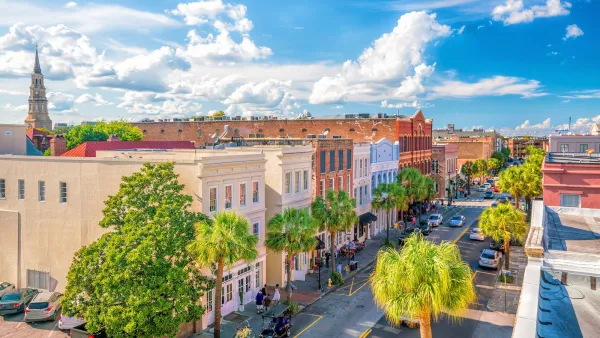
Charleston Creates ‘Workforce Housing District’ With Permanent Affordability
The city has a goal of adding 3,500 new housing units by 2032.

In Small Town Colorado, Rent is so High that Employees are Camping on Company Property
The city passed an ordinance in 2024 allowing employers to offer workforce housing in the for of RV camping on company property.

San Diego School District Could Accelerate Workforce Housing Program
A proposal to build housing on five district-owned properties could yield 1,000 housing units for low- and moderate-income district employees.

The state-sanctioned urbicide of Austin
People don’t kill cities. Freeways do.

US to reduce Colorado River water deliveries to Mexico
A new Colorado Treaty amendment reduces Mexico’s Colorado River water allocation by 250,000 acre feet.

New Jersey’s second-largest city bans standalone data centers
Jersey City will continue to allow co-location facilities, such as those meant for research institutions that store their own data.

Amtrak not solely to blame for New Jersey commuter rail's unreliability, report finds
A new study from the Garden State Initiative found that NJ Transit’s budget grew 20% across a 4 year period, but reliability declined significantly over the same period.

EPA erases limits on planet-warming pollution from power plants
Under Monday’s plan, power plants would still have some limits on how much mercury, arsenic and other contaminants they can emit.

Phoenix announces new on-demand transit service, more frequent RAPID buses
Both new services will launch in October, and are part of Phoenix's Project Effective Access Solutions for Easing Congestion.

FREE Course: Walkable City 1: Why Walkability?
After describing his path towards focusing on walkability as the essence of good planning, Jeff Speck marches through his five principal reasons for making more walkable places.
Reinventing Malls: Planning Alchemy—Turning Gray Fields Into Gold
The course focuses on the opportunities and imperatives that shape reinvention of mall sites.

Eagle County Government
Harvard University Graduate School of Design
Nashville Planning Department
The Architects Foundation
University of Cincinnati Online
The Pocatello Development Authority
The Urban Renewal Agency of the City of Pocatello
Journal of the American Planning Association