The Los Angeles City Council approved $50,000 to fund a new safe parking site for people living in vehicles.


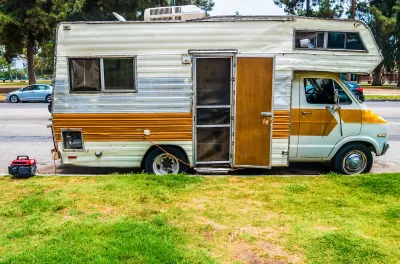
The Los Angeles City Council approved $50,000 for a new Safe Parking pilot program in the West San Fernando Valley. The program will allow unhoused people living in recreational vehicles to securely park and access services at a designated site.
According to an article by Rebekah Ludman for The Los Angeles Post, Los Angeles legalized living in vehicles in 2014, when the homelessness crisis made living in cars the only option for many. Since then, Safe Parking L.A. has been working to provide safe parking sites around the city. “The city developed a Safe Parking Pilot Program in 2016 as part of its strategy to address homelessness across L.A. This later became an approach for interim housing. Safe Parking L.A. operates in the San Fernando Valley, Hollywood, downtown L.A., and West L.A.”
The program offers outreach services and case management for residents. “The funding will also be used to give financial assistance for people using the services to pay for driver’s license fees, vehicle registration and renewal, any auto-related repairs, smog checks, and more.”
FULL STORY: City Council approves $50K for Safe Parking L.A. program


LA Housing Authority Buys 30-Unit Apartment Building for Supportive Housing
The Koreatown building will offer housing as well as healthcare services and case management.
‘Safe Parking’ Programs Offer Small Comforts to Unhoused People
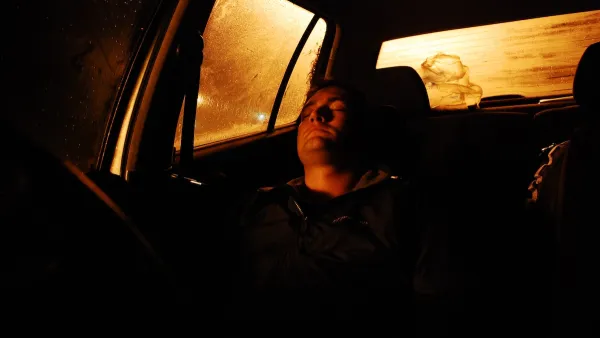
People living in cars are often at the mercy of parking regulations, forced to relocate frequently and left without access to resources like restrooms. Safe Parking programs aim to change that.

LA has no plan — or funding — to help unhoused people displaced by Olympics security efforts
City and county officials say they don't have the funds to offer housing to the up to 1,600 people that will be displaced by perimeters around event venues.

The state-sanctioned urbicide of Austin
People don’t kill cities. Freeways do.

US to reduce Colorado River water deliveries to Mexico
A new Colorado Treaty amendment reduces Mexico’s Colorado River water allocation by 250,000 acre feet.

New Jersey’s second-largest city bans standalone data centers
Jersey City will continue to allow co-location facilities, such as those meant for research institutions that store their own data.

Amtrak not solely to blame for New Jersey commuter rail's unreliability, report finds
A new study from the Garden State Initiative found that NJ Transit’s budget grew 20% across a 4 year period, but reliability declined significantly over the same period.

EPA erases limits on planet-warming pollution from power plants
Under Monday’s plan, power plants would still have some limits on how much mercury, arsenic and other contaminants they can emit.

Phoenix announces new on-demand transit service, more frequent RAPID buses
Both new services will launch in October, and are part of Phoenix's Project Effective Access Solutions for Easing Congestion.

FREE Course: Walkable City 1: Why Walkability?
After describing his path towards focusing on walkability as the essence of good planning, Jeff Speck marches through his five principal reasons for making more walkable places.
Reinventing Malls: Planning Alchemy—Turning Gray Fields Into Gold
The course focuses on the opportunities and imperatives that shape reinvention of mall sites.

Eagle County Government
Harvard University Graduate School of Design
Nashville Planning Department
The Architects Foundation
University of Cincinnati Online
The Pocatello Development Authority
The Urban Renewal Agency of the City of Pocatello
Journal of the American Planning Association