In the face of growing flooding risk and increased traffic following the Francis Scott Key Bridge collapse, federal and state officials say protecting two of Baltimore's major transportation corridors from flooding is vital.


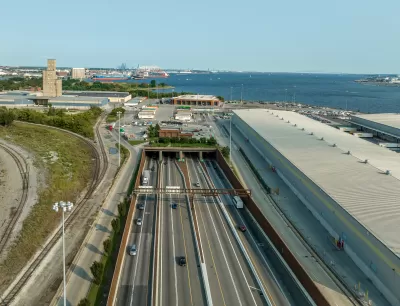
To help manage the risk of coastal flooding from rising sea levels and worsening storms, the U.S. Army Corps of Engineers has recommended building $77 million and 9,500 feet of floodwalls to protect Baltimore’s I-95 Fort McHenry and I-895 Harbor tunnels, two of the city’s major traffic thoroughfares, according to an article from the Baltimore Banner. “The plan comes after USACE and the Maryland Department of Transportation completed a three-year study into coastal flooding problems around Baltimore and potential solutions” and as motorists are using the tunnels as alternative routes following the collapse of the Francis Scott Key Bridge in March, reports Penelope Blackwell.
“It is very important to make sure these critical transportation routes remain open during a coastal storm event, maintaining access to jobs, commercial transportation routes and emergency services,” Joe Bieberich, the project manager for the storm risk study, said in the release.
According to the Baltimore Banner article, the Army Corps and the Maryland Transportation Authority are set to begin design work on the floodwalls later this year, with construction expected to start in 2027, pending congressional authorization and funding.
FULL STORY: Army Corps recommends $77M floodwall to protect Baltimore’s tunnels from storms

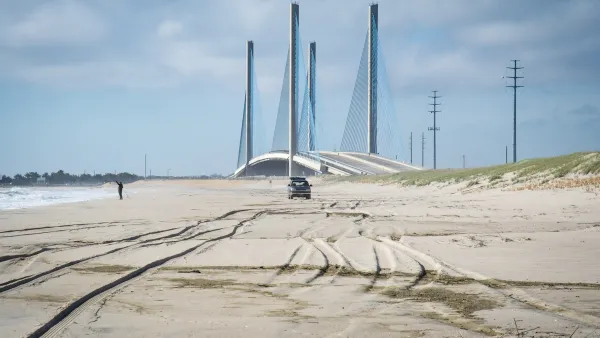
Delaware to Invest $15M in Coastal Resilience
State officials say they’re moving forward with emergency repair and renourishment of sand dunes around the Indian River Inlet Bridge as they await a promised $10 million federal contribution.
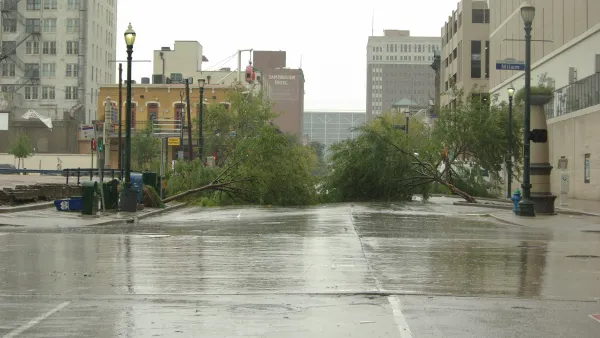
Houston’s ‘Ike Dike’ Won’t Adequately Protect the City
The largest project ever undertaken by the Army Corps of Engineers may not be enough to protect Houston-area communities from flooding during the most severe hurricanes, according to the Corps’ own analysis.
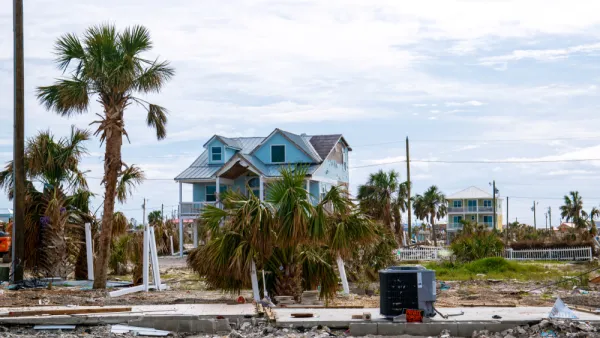
FEMA Flood Insurance Updates Reflect Actual Risk to Each Home
Changes to how FEMA calculates flood risk will assess risk at a home-by-home level, rather than estimating the same risk to all homes in the same floodplain.

The state-sanctioned urbicide of Austin
People don’t kill cities. Freeways do.

US to reduce Colorado River water deliveries to Mexico
A new Colorado Treaty amendment reduces Mexico’s Colorado River water allocation by 250,000 acre feet.

New Jersey’s second-largest city bans standalone data centers
Jersey City will continue to allow co-location facilities, such as those meant for research institutions that store their own data.

Amtrak not solely to blame for New Jersey commuter rail's unreliability, report finds
A new study from the Garden State Initiative found that NJ Transit’s budget grew 20% across a 4 year period, but reliability declined significantly over the same period.

EPA erases limits on planet-warming pollution from power plants
Under Monday’s plan, power plants would still have some limits on how much mercury, arsenic and other contaminants they can emit.

Phoenix announces new on-demand transit service, more frequent RAPID buses
Both new services will launch in October, and are part of Phoenix's Project Effective Access Solutions for Easing Congestion.

FREE Course: Walkable City 1: Why Walkability?
After describing his path towards focusing on walkability as the essence of good planning, Jeff Speck marches through his five principal reasons for making more walkable places.
Reinventing Malls: Planning Alchemy—Turning Gray Fields Into Gold
The course focuses on the opportunities and imperatives that shape reinvention of mall sites.

Eagle County Government
Harvard University Graduate School of Design
Nashville Planning Department
The Architects Foundation
University of Cincinnati Online
The Pocatello Development Authority
The Urban Renewal Agency of the City of Pocatello
Journal of the American Planning Association