In the latest in a far ranging series of interest to planners—centered on contrasts between urban and natural environments—Chuck Wolfe speculates about the role of ruins in urban and natural environments.


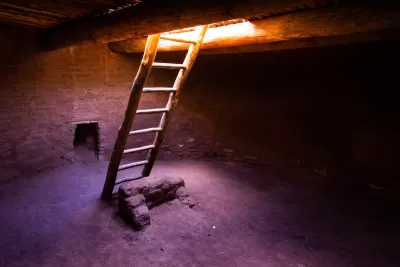
As part of an ongoing series that has examined topics of interest to planners (including authenticity, shapes on the landscape and the juxtaposition of the flâneur and the desert), Chuck Wolfe examines the connection between urban, exurban, and natural landscapes and their interplay with human experience.
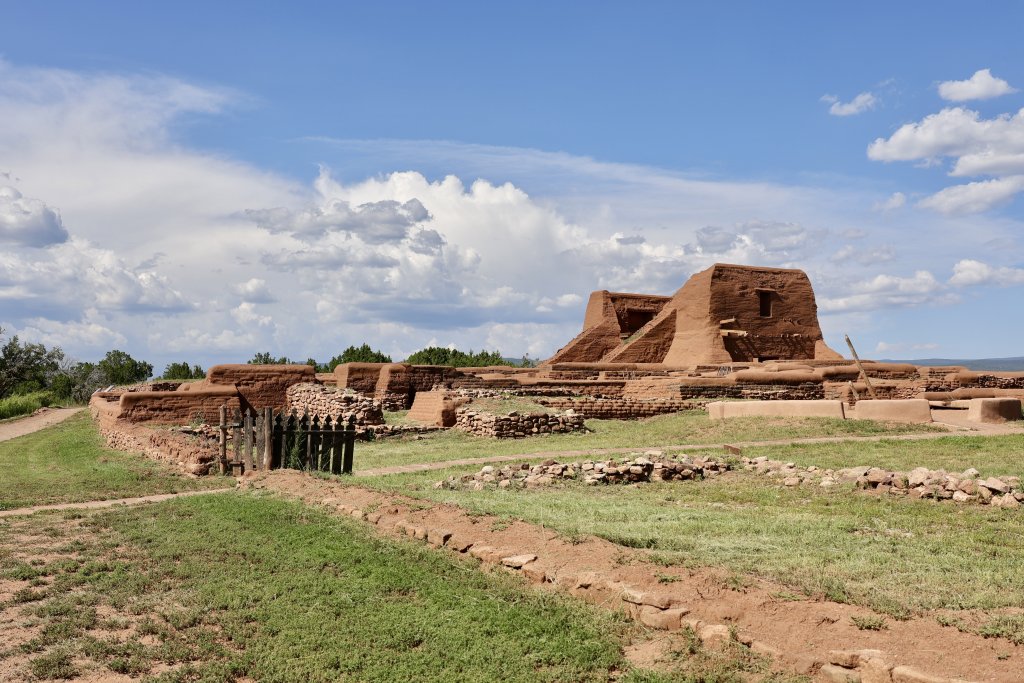
Wolfe explores how landscapes in the American southwest reveal ancient pueblo urbanism and cycles of settlement and conquest. He argues in the spirit of landscape essayist J.B. Jackson (who lived in Santa Fe) that ruins, whether found on trails, in museums, or in urban adapted urban environments, are integral to our understanding of history and culture.
He also applies Jackson’s ideas to urban settings, such as Seattle’s Leschi neighborhood, where remnants of old infrastructure like cable car bridges are juxtaposed with modern developments like light rail.
In conclusion, he emphasizes the importance of recognizing and learning from these historical layers, whether in urban or natural landscapes, to inform contemporary planning practice and societal reckoning with a colonial-driven past.
For his full series, which includes topics ranging from the role of Georgia O’Keeffe to the nature of the “authentic” or “fake” ambience of Santa Fe, see: https://resurgencejourney.substack.com/t/new-mexico
Read the full story: Chasing the Meaning of Landscapes

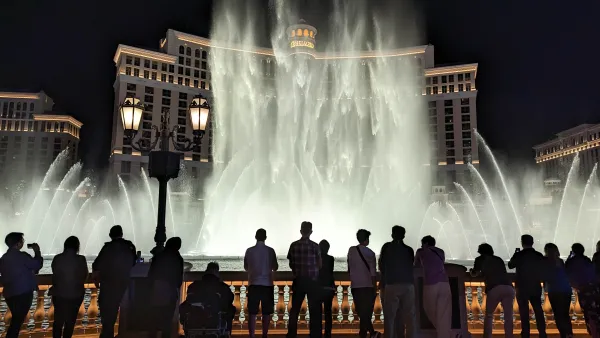
Nevada sues feds to block Colorado River cuts
The federal government’s newly released plan for managing the Colorado River’s dwindling water supply could cause Nevada to lose over 70% of its allocated water.
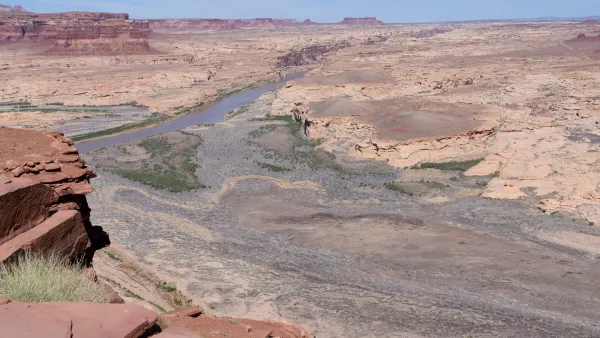
Feds say Arizona, California and Nevada must cut Colorado River water use by 1.25 million acre-feet
The new plan does not apply mandatory cuts to any of the river’s upper basin states.
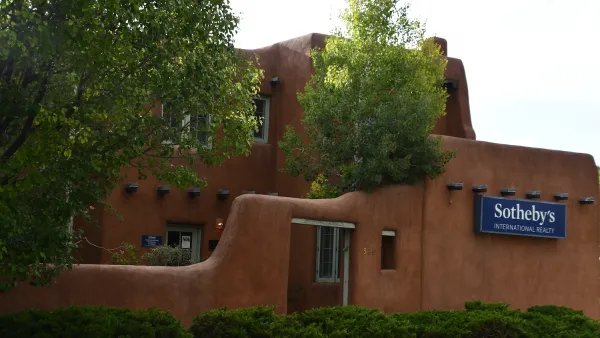
Santa Fe Collects First Payments From Tax on Million-Dollar Homes
The 3% tax on home sales of $1 million or more has elicited a lawsuit and backlash from local realty groups.

Planetizen Federal Action Tracker
A weekly monitor of how Trump’s orders and actions are impacting planners and planning in America.

The state-sanctioned urbicide of Austin
People don’t kill cities. Freeways do.

Colorado’s Largest Data Center Could Rise Next to Homes — Without a Public Hearing
The proposed campus would consume 11 times the power of Denver International Airport; as it has across the country, opposition mounts.

Nation's most wind-powered state turns to coal as data centers increase energy demand
For the first time in decades, Iowa has increased its generation of coal power.
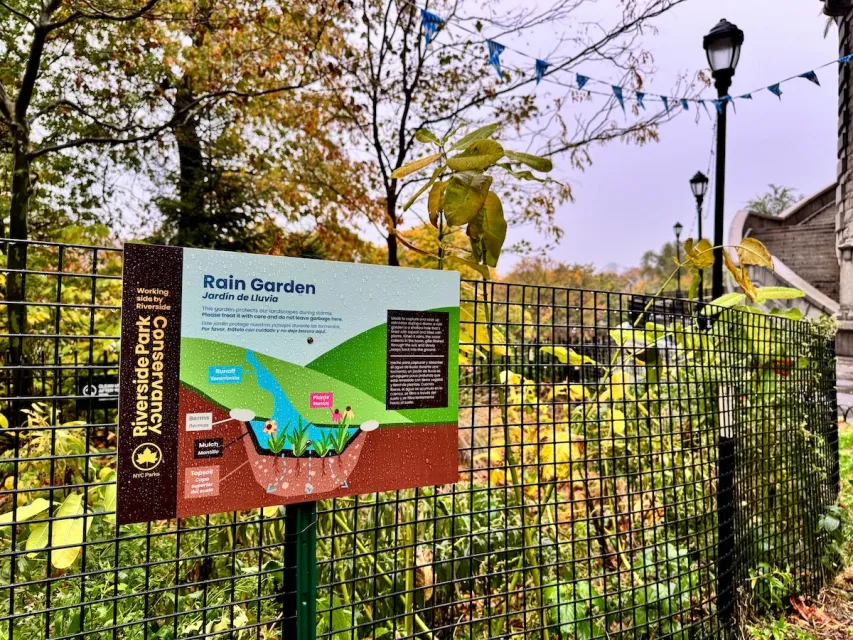
NYC cools commuters with city's first rain garden above a bus stop
New York City officials say the plants in the rain garden can absorb 16 gallons of rainwater during heavy storms.

Brightline West’s future may rely on $6 billion federal loan
The company has until Nov. 2 to make a $400 million equity investment into its proposed high-speed rail line.

FREE Course: Walkable City 1: Why Walkability?
After describing his path towards focusing on walkability as the essence of good planning, Jeff Speck marches through his five principal reasons for making more walkable places.
Reinventing Malls: Planning Alchemy—Turning Gray Fields Into Gold
The course focuses on the opportunities and imperatives that shape reinvention of mall sites.

Greater Baltimore Committee
Eagle County Government
Harvard University Graduate School of Design
The Architects Foundation
University of Cincinnati Online
The Pocatello Development Authority
The Urban Renewal Agency of the City of Pocatello
Journal of the American Planning Association