A sober living house in Maryland has been repeatedly fined by the city for operating as a boarding house, begging the question, where can these facilities be located?


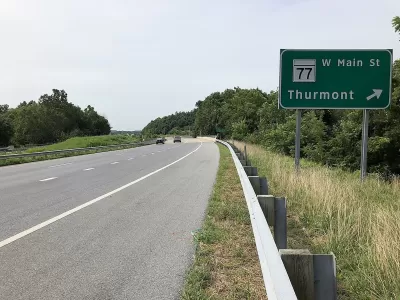
The owner of a sober living home says the Maryland town of Thurmont is discriminating against him after the town imposed several fines for zoning violations, reports Skyler Sales for DC News Now.
Owner Korey Shorb, who has been running the house since 2017, “claims that the fines are discriminating against them because they are a sober living house, even though the house is protected through the federal Fair Housing Act.”
In a statement, the city’s attorney said “This zoning violation relates solely to the operation of the house by a business owner as a boarding facility in a single-family R-2 zone. The R-2 zone does not permit a boarding house use.”
The case poses a broader question for similar facilities that, while viewed as boarding houses in local zoning codes, provide a secure, long-term housing option for people who may have difficulty accessing other housing opportunities.
Read the full story: Sober house claims discrimination after receiving several fines for zoning regulations
Florida Law Aimed at Increasing Housing Includes Exemption for ‘Large Destination Resorts’
A new law signed by Governor Ron DeSantis puts limits on local control of zoning for housing, but could also allow major resorts to bypass zoning regulations and review processes.

Maine Forces Cities to Allow at Least 2 ADUs on Residential Lots
A new state law bars local jurisdictions from restricting ADUs in residential areas.

NYC Council Approves Brooklyn Rezoning Plan
The Atlantic Avenue Mixed Use Plan includes infrastructure investments and could bring 4,600 new housing units to parts of Brooklyn.

Planetizen Federal Action Tracker
A weekly monitor of how Trump’s orders and actions are impacting planners and planning in America.

California plans to bury El Niño’s downpour
If the state plays its cards right, it may be able to store a billion acre-feet of El Niño’s water in aquifers.

Desperate measures: Advocates weigh draining Lake Powell to fill Colorado River
Draining the reservoir could reduce evaporation losses by a couple hundred thousand acre-feet.

Housing is the top priority of Seattle’s sole new councilmember
Jenks campaigned on building 1,000 new units of affordable housing.

New tax cuts may slash $1.5 billion in funding for Miami transit, public parks
Amendment 3 will save Miami-Dade homeowners $2,700 in 2028.

Arizona, Wisconsin, Pennsylvania hope to finally advance climate goals post-midterms
The three states have spent years under Republican or divided control.

FREE Course: Walkable City 1: Why Walkability?
After describing his path towards focusing on walkability as the essence of good planning, Jeff Speck marches through his five principal reasons for making more walkable places.
Reinventing Malls: Planning Alchemy—Turning Gray Fields Into Gold
The course focuses on the opportunities and imperatives that shape reinvention of mall sites.


City of Rosemead
Rutgers University, Edward J. Bloustein School of Planning and Public Policy
One Hundred Miles
University of Michigan School for Environment and Sustainability (SEAS)
Hunter College, City University of New York (CUNY)
The Architects Foundation
City of Cambridge
Montrose County
The Pocatello Development Authority