Recent changes to regulations have made it easier and more affordable for homeowners to build ‘granny flats,’ and San Diego’s housing stock is benefiting.


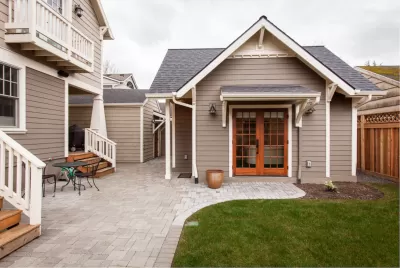
Applications for permits for accessory dwelling units (ADUs) continue to grow at a rapid clip in San Diego, where state and city laws have made it easier to build the units in recent years, reports Andrew Keatts in Axios San Diego. “In 2015, the city issued just four ADU permits. That figure jumped to 627 in 2019 as city planners reduced fees, expanded where ADUs could be built, streamlined approvals, eliminated parking requirements and more.”
According to Keatts, “The 2021 ‘ADU bonus program’ allows owners to build an extra unit for each ADU they agree to reserve for renters earning below a certain income threshold.” While some homeowners oppose the Bonus Program, Keatts notes that only 8 percent of ADU applications used the program.
Meanwhile, the promise of increased affordability remains aspirational: “The city issued permits last year for 87 ADUs with income restrictions for future renters, but nearly all of those were for so-called moderate incomes, or people earning up to 110% of the area median.” Keatts adds, “Just five units were reserved for people categorized as having low or very low incomes.”
FULL STORY: Controversial ADU program accounts for fraction of spike in granny flat permits

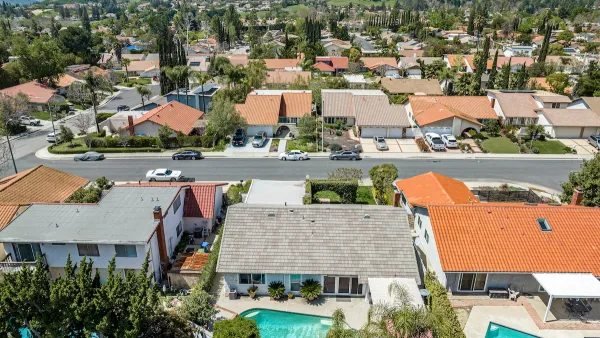
San Diego to Rescind Multi-Unit ADU Rule
The city wants to close a loophole that allowed developers to build apartment buildings on single-family lots as ADUs.
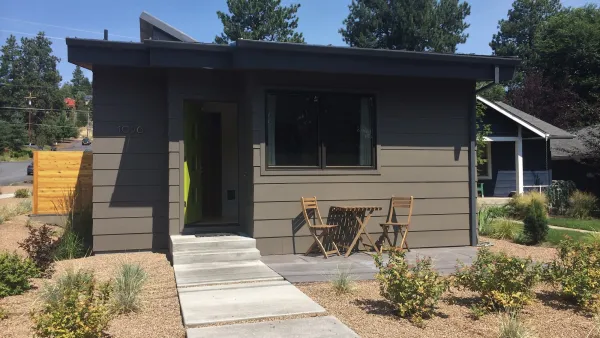
San Diego Residents Challenge the City's ADU Regulations
Residents in some of the city's single-family neighborhoods worry about the potential impacts of ADU construction on local character and parking.
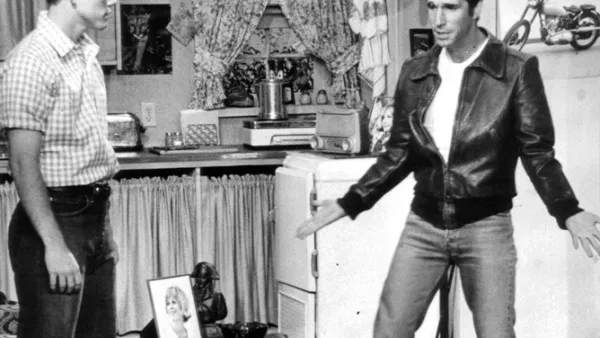
What do the Gilmore Girls, Happy Days, and Full House have in common? ADUs.
American sitcoms are full of garage apartments, attic rooms, and pool houses. Why aren't our cities?

Planetizen Federal Action Tracker
A weekly monitor of how Trump’s orders and actions are impacting planners and planning in America.

The state-sanctioned urbicide of Austin
People don’t kill cities. Freeways do.

US to reduce Colorado River water deliveries to Mexico
A new Colorado Treaty amendment reduces Mexico’s Colorado River water allocation by 250,000 acre feet.

5 New England states march closer to 800 megawatt wind energy project
Securing federal approval for the project may be complicated under the Trump administration, which has historically been hostile towards domestic wind power.

Baltimore to break ground on $50 million Transit Priority Project
The project will bring faster bus trips, safer streets and better bike connections to Baltimore.

Airbnb launches $250 million 'last-dollar financing' housing accelerator, makes first investment in Austin
The company will put $6.4 million towards affordable housing development in Texas’ capital.

FREE Course: Walkable City 1: Why Walkability?
After describing his path towards focusing on walkability as the essence of good planning, Jeff Speck marches through his five principal reasons for making more walkable places.
Reinventing Malls: Planning Alchemy—Turning Gray Fields Into Gold
The course focuses on the opportunities and imperatives that shape reinvention of mall sites.

Eagle County Government
Harvard University Graduate School of Design
Nashville Planning Department
The Architects Foundation
University of Cincinnati Online
The Pocatello Development Authority
The Urban Renewal Agency of the City of Pocatello
Journal of the American Planning Association