A building’s potential for adaptive reuse is based on a variety of characteristics.



In an article for Columbus Business First, Bonnie Meibers describes some key factors that construction industry experts say make an office building a good candidate for adaptive reuse.
These include:
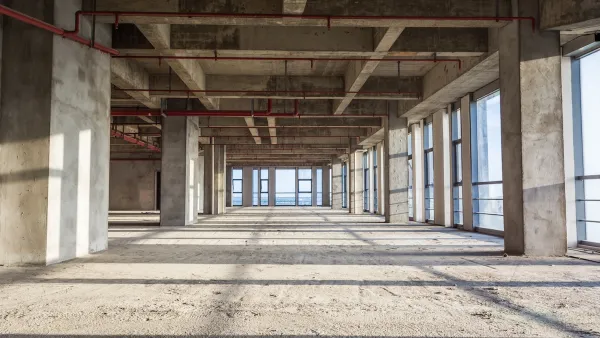
- Form: A building’s shape and ceiling heights dictate how adaptable it is for new uses.
- Floor plates: The size and shape of floor plates influences future uses.
- Envelope: The design of exterior walls impacts how well a building can meet energy and building code requirements.
- Services: Existing services like elevators and HVAC can be repurposed for future occupants.
- Context: The surrounding neighborhood, access to transit, and other nearby amenities will affect how well new tenants can integrate into the neighborhood.
- Code: Zoning codes sometimes prohibit a use change.
Officials in Columbus, Ohio are looking to the example of Calgary, Alberta, Canada, where the city launched an incentive program in 2021 to encourage developers to convert vacant buildings to new uses. “Programs including the Ohio Transformational Mixed-Use Development Tax Credit, the Ohio Historic Tax Credits and the city of Columbus' downtown residential tax abatement have closed the financial gap for many Central Ohio projects.”
Read the full story: Experts say Central Ohio office buildings with these characteristics could be good candidates for conversion


With Zero Office Conversions in Four Years, San Francisco Pins Hopes on New Special Financing District
City leaders hope the new incentive will spur the redevelopment of some of the city’s 30,000 square feet of vacant office space into housing.
Dorm-Style Housing: A Solution for DC’s Vacant Office Buildings
Adapting office buildings to dorm-style housing with shared spaces is a much more affordable option than repurposing offices into apartments.
How the Post-Covid Reality Is Reshaping Central Business Districts and Urban Centers
U.S. cities are working to redefine their downtowns in response to the “donut effect:” people and businesses abandoning city centers and flocking to suburban areas and beyond.

Planetizen Federal Action Tracker
A weekly monitor of how Trump’s orders and actions are impacting planners and planning in America.

The state-sanctioned urbicide of Austin
People don’t kill cities. Freeways do.

Colorado’s Largest Data Center Could Rise Next to Homes — Without a Public Hearing
The proposed campus would consume 11 times the power of Denver International Airport; as it has across the country, opposition mounts.

Nation's most wind-powered state turns to coal as data centers increase energy demand
For the first time in decades, Iowa has increased its generation of coal power.

NYC cools commuters with city's first rain garden above a bus stop
New York City officials say the plants in the rain garden can absorb 16 gallons of rainwater during heavy storms.

Brightline West’s future may rely on $6 billion federal loan
The company has until Nov. 2 to make a $400 million equity investment into its proposed high-speed rail line.

FREE Course: Walkable City 1: Why Walkability?
After describing his path towards focusing on walkability as the essence of good planning, Jeff Speck marches through his five principal reasons for making more walkable places.
Reinventing Malls: Planning Alchemy—Turning Gray Fields Into Gold
The course focuses on the opportunities and imperatives that shape reinvention of mall sites.

Greater Baltimore Committee
Eagle County Government
Harvard University Graduate School of Design
The Architects Foundation
University of Cincinnati Online
The Pocatello Development Authority
The Urban Renewal Agency of the City of Pocatello
Journal of the American Planning Association