New technology allows for more streamlined travel and fare capping for riders across the region.


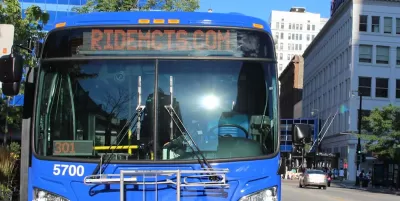
The City of Waukesha’s transit system joined the Milwaukee County Transit System’s (MCTS) fare collection system, making it easier for residents to get around the region, reports Graham Kilmer in Urban Milwaukee. “The system’s riders have been able to pay their fares through WisGO since early June, but now Waukesha Metro is making the full switch to WisGo as their only fare collection app.”
The switch allows Waukesha Metro to take advantage of new technologies available in part due to Milwaukee’s bus rapid transit service, which “employs a number of technologies that are new for the transit system, including off-bus fare validators and real-time bus arrival signs.”
The system includes fare capping, which limits the amount charged for daily, weekly, and monthly use. “For example, a rider cannot spend more than $4 a day, $19.50 a week or $72 a month.”
FULL STORY: Waukesha Joins Milwaukee’s Transit Fare System

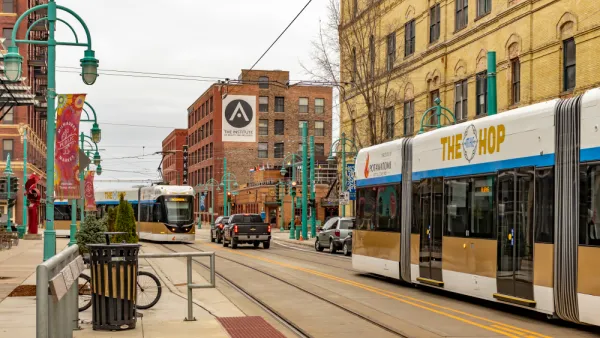
Milwaukee County Transit Launches New Fare Collection System and Fare Caps
Adult fares will be capped at $4 per day or $72 per month under the new system.
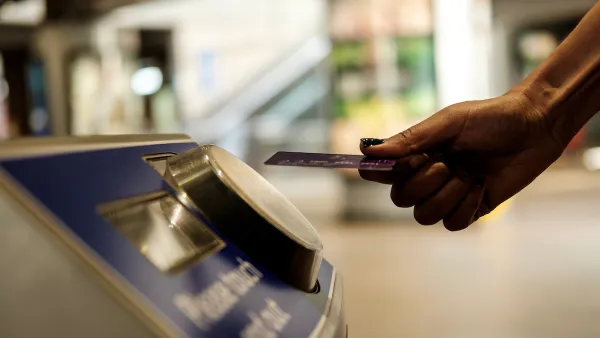
How Fare Collection Tech is Changing Transit Operations
Cashless fare options let agencies enable fare capping, track rider behavior, and eliminate proprietary fare cards.

Milwaukee transit agency plans 25% service cuts
The MCTS system will have to make a difficult choice between service frequency and coverage.

Planetizen Federal Action Tracker
A weekly monitor of how Trump’s orders and actions are impacting planners and planning in America.

The state-sanctioned urbicide of Austin
People don’t kill cities. Freeways do.

US to reduce Colorado River water deliveries to Mexico
A new Colorado Treaty amendment reduces Mexico’s Colorado River water allocation by 250,000 acre feet.

Colorado’s Largest Data Center Could Rise Next to Homes — Without a Public Hearing
The proposed campus would consume 11 times the power of Denver International Airport; as it has across the country, opposition mounts.

5 New England states march closer to 800 megawatt wind energy project
Securing federal approval for the project may be complicated under the Trump administration, which has historically been hostile towards domestic wind power.

Baltimore to break ground on $50 million Transit Priority Project
The project will bring faster bus trips, safer streets and better bike connections to Baltimore.

FREE Course: Walkable City 1: Why Walkability?
After describing his path towards focusing on walkability as the essence of good planning, Jeff Speck marches through his five principal reasons for making more walkable places.
Reinventing Malls: Planning Alchemy—Turning Gray Fields Into Gold
The course focuses on the opportunities and imperatives that shape reinvention of mall sites.

Eagle County Government
Harvard University Graduate School of Design
Nashville Planning Department
The Architects Foundation
University of Cincinnati Online
The Pocatello Development Authority
The Urban Renewal Agency of the City of Pocatello
Journal of the American Planning Association