The Queen City achieved an historic day for planning in the state of Ohio.



Cincinnati is the first city in Ohio to legalize Accessory Dwelling Units (ADUs) after the City Council adopted a new ordinance after a year of work of staff work and dozens of public hearings. A Tweet by Cincinnati Councilmember Mark Jeffreys, who introduced the city’s new ADU law, announced the full council’s approval of the ordinance earlier this week.
Becca Costello wrote an article explaining the details of ADUs after the ordinance passed out of committee a few days earlier in June. The article includes a soundbite from Councilmember Jeffreys explaining that ADUs will help the city relax its housing shortage and help with agining in place.
According to Costello, the new ordinance includes own-occupancy limits and qualifies for the city's recently approved tax abatement program. “The proposal is one of the first steps in land-use reform that the mayor's office and Council have been discussing since taking office over a year ago,” writes Costello.
Another article by Chris Wetterich [paywall] provided additional explanation for the law just before the full council vote.
Read the full story: How Cincinnati's proposed 'accessory dwelling unit' housing would work


Maine Legislators, in Search of a Fix for Rising Housing Costs, Consider Zoning Reforms
The housing affordability crisis is a legislative priority in the Pine Tree State.

Cincinnati ADU Legalization Slow to Catch On
Only four permits have been filed since the city made ‘granny flats’ legal last year.
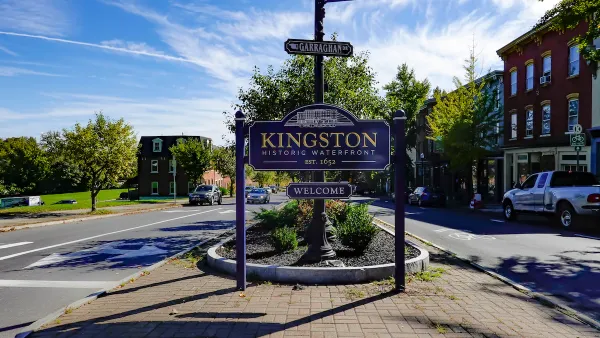
Kingston, New York Goes 100 Percent Form-Based for its New Code
Kingston recently adopted a form-based code, taking the rare step to entirely replace its old zoning code with form-based standards while also repealing parking requirements and allowing accessory dwelling units and missing middle housing.

Planetizen Federal Action Tracker
A weekly monitor of how Trump’s orders and actions are impacting planners and planning in America.

California plans to bury El Niño’s downpour
If the state plays its cards right, it may be able to store a billion acre-feet of El Niño’s water in aquifers.

Chicago breaks ground on $3 billion megadevelopment
The new neighborhood, titled Foundry Park, will one day host 3,700 residences.

California High-Speed Rail Authority CEO resigns after $600,000 scandal
Under Ian Choudri, the authority used taxpayer dollars to fund first class flights and trips to nightclubs.

Want to study the Missouri River? Soon, you may need unanimous approval from 10 states
Legislation would require 10 governors’ permission to study or build projects moving water outside the basin.

Desperate measures: Advocates weigh draining Lake Powell to fill Colorado River
Draining the reservoir could reduce evaporation losses by a couple hundred thousand acre-feet.

FREE Course: Walkable City 1: Why Walkability?
After describing his path towards focusing on walkability as the essence of good planning, Jeff Speck marches through his five principal reasons for making more walkable places.
Reinventing Malls: Planning Alchemy—Turning Gray Fields Into Gold
The course focuses on the opportunities and imperatives that shape reinvention of mall sites.

City of Rosemead
Rutgers University, Edward J. Bloustein School of Planning and Public Policy
One Hundred Miles
Hunter College, City University of New York (CUNY)
The Architects Foundation
University of Cincinnati Online
City of Cambridge
Montrose County
The Pocatello Development Authority