The program aims to reach 800,000 French children by 2027.



A national “universal cycling” program aims to teach roughly 800,000 French children how to ride a bike, reports Phineas Rueckert in Next City. The program, known as Savoir rouler à vélo (SRAV), aims to make cycling education available to all French middle school students by 2027.
“The Covid crisis, during which French cities like Paris, Grenoble and Lyon laid down hundreds of kilometers of protected bike lanes, was a catalyst for the SRAV program,” said SRAV director Virginie Jouve. Now, Jouve hopes the momentum will lead to better cycling education and improved road safety. The country plans to invest €250 million in cycling in 2023, including bike parking, bike lanes, and education.
For Jouve, “Training children from the earliest age possible means giving them the means to make different choices later in life.” Studies have shown that access to transportation can have a powerful impact on whether students stay in school or college. “In low-income cities like Saint-Denis, it offers cycling training to a generation of students who otherwise might not be introduced to cycling until much later in life for a variety of reasons — lack of access to gear, cultural taboos and safety concerns.”
FULL STORY: France’s Plan For Universal Cycle Training Is A Win For Equity. Here’s How It Works.

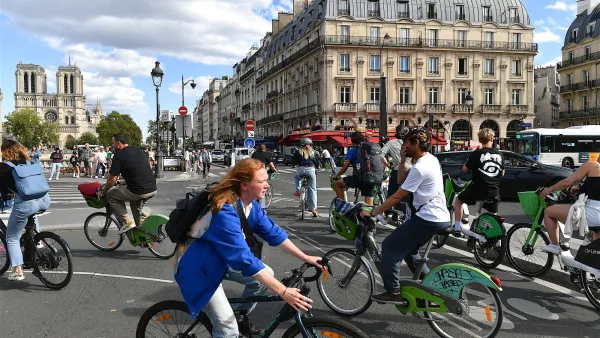
Biking in Paris grew by 240% in 5 years
The city saw a significant rise in bike use thanks to data-driven policy changes.
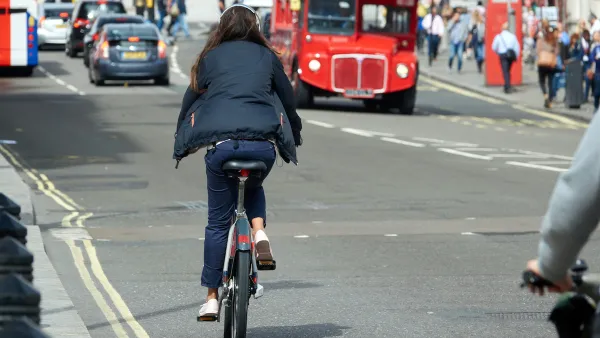
How Social Infrastructure Gets More People on Bikes
Bike infrastructure isn’t just about bike lanes: safe, supportive spaces where adults can learn to ride and repair bikes are a key component.
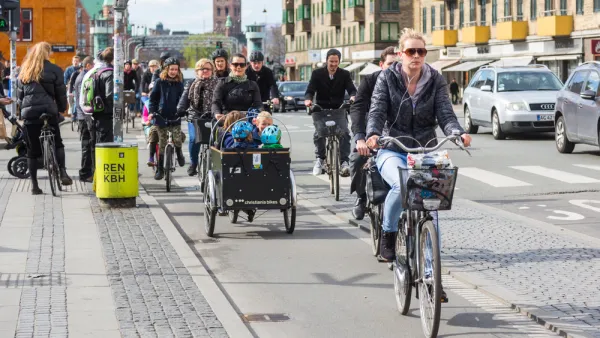
Looking at Copenhagen with Jealous Eyes
Copenhagen's positive attributes are clear, but how transferable are they?

The state-sanctioned urbicide of Austin
People don’t kill cities. Freeways do.

US to reduce Colorado River water deliveries to Mexico
A new Colorado Treaty amendment reduces Mexico’s Colorado River water allocation by 250,000 acre feet.

New Jersey’s second-largest city bans standalone data centers
Jersey City will continue to allow co-location facilities, such as those meant for research institutions that store their own data.

Amtrak not solely to blame for New Jersey commuter rail's unreliability, report finds
A new study from the Garden State Initiative found that NJ Transit’s budget grew 20% across a 4 year period, but reliability declined significantly over the same period.

EPA erases limits on planet-warming pollution from power plants
Under Monday’s plan, power plants would still have some limits on how much mercury, arsenic and other contaminants they can emit.

Phoenix announces new on-demand transit service, more frequent RAPID buses
Both new services will launch in October, and are part of Phoenix's Project Effective Access Solutions for Easing Congestion.

FREE Course: Walkable City 1: Why Walkability?
After describing his path towards focusing on walkability as the essence of good planning, Jeff Speck marches through his five principal reasons for making more walkable places.
Reinventing Malls: Planning Alchemy—Turning Gray Fields Into Gold
The course focuses on the opportunities and imperatives that shape reinvention of mall sites.

Eagle County Government
Harvard University Graduate School of Design
Nashville Planning Department
The Architects Foundation
University of Cincinnati Online
The Pocatello Development Authority
The Urban Renewal Agency of the City of Pocatello
Journal of the American Planning Association