Legal challenges filed by condo associations are holding up multiple high-rise housing developments that could bring much-needed housing and jobs to downtown Seattle.



A series of lawsuits from existing condo buildings are blocking nine new major housing developments in Seattle, preventing more than 3,000 units of housing from being built. If completed, the projects would also contribute $39.4 million to the city’s Mandatory Housing Affordability (MHA) program.
According to an article by Andrew Engelson in The Urbanist, the plaintiffs in the lawsuits include an association of condominium owners that claim the developers of new projects are not providing sufficient mitigation measures for impacts on local access, traffic, and views.
The Seattle Department of Constructions and Inspections (SDCI) design review process, says spokesperson Bryan Stevens, “is not intended to be a vehicle for delay, but some may use it to challenge issues beyond the basis of a decision to cause delay or invoke a settlement. Our staff work to file motions for dismissal of appeals deemed to be erroneous or without merit.”
The SDCI is reviewing its design review process to recommend improvements, which could include exemptions for affordable housing projects. “Meanwhile, a bill moving forward in the legislature introduced by Representative Amy Walen (D-48, Bellevue) would ban design review for housing projects statewide.”
Read the full story: Lawsuits Block Thousands of Downtown Seattle Homes, $39 Million for Affordable Housing

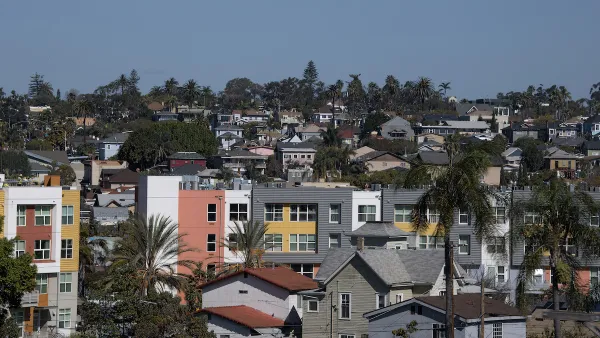
Which San Diego County Cities Are Building New Housing?
Chula Vista permitted the most new housing units per capita, while El Cajon is adding the least.
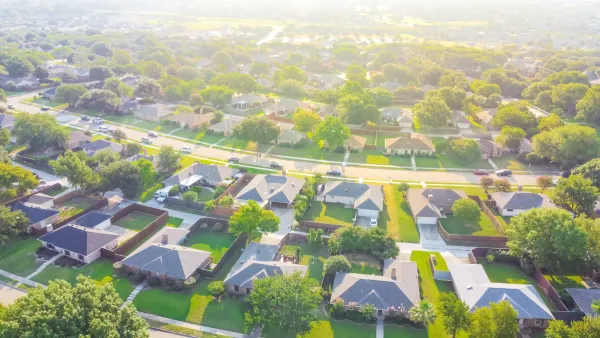
The Rise of Zoning Reform
As the housing affordability crisis spread from mainly coastal cities to the rest of the nation, cities and states are taking a serious look at outdated zoning codes that hamper efforts to build more housing.
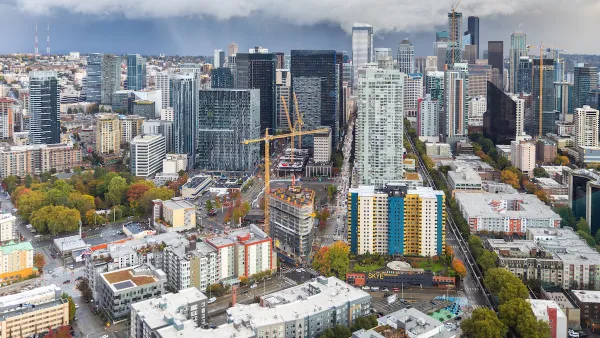
Seattle Council Rejects Transportation Impact Fee
Councilmembers who opposed the proposal say the fee would have slowed housing development and raised housing costs.

Planetizen Federal Action Tracker
A weekly monitor of how Trump’s orders and actions are impacting planners and planning in America.

The state-sanctioned urbicide of Austin
People don’t kill cities. Freeways do.

US to reduce Colorado River water deliveries to Mexico
A new Colorado Treaty amendment reduces Mexico’s Colorado River water allocation by 250,000 acre feet.

Nation's most wind-powered state turns to coal as data centers increase energy demand
For the first time in decades, Iowa has increased its generation of coal power.

NYC cools commuters with city's first rain garden above a bus stop
New York City officials say the plants in the rain garden can absorb 16 gallons of rainwater during heavy storms.

Brightline West’s future may rely on $6 billion federal loan
The company has until Nov. 2 to make a $400 million equity investment into its proposed high-speed rail line.

FREE Course: Walkable City 1: Why Walkability?
After describing his path towards focusing on walkability as the essence of good planning, Jeff Speck marches through his five principal reasons for making more walkable places.
Reinventing Malls: Planning Alchemy—Turning Gray Fields Into Gold
The course focuses on the opportunities and imperatives that shape reinvention of mall sites.

Greater Baltimore Committee
Eagle County Government
Harvard University Graduate School of Design
The Architects Foundation
University of Cincinnati Online
The Pocatello Development Authority
The Urban Renewal Agency of the City of Pocatello
Journal of the American Planning Association