The city’s Home in Tacoma plan is designed to address the region’s growth and rising housing prices, but faces local backlash over density and affordability concerns.



With its population poised to grow by more than 127,000 people in the next two decades, Tacoma, Washington is taking steps to boost affordable housing in the city.
Writing in The Urbanist, Kevin Le outlines the city’s Home in Tacoma (HIT) proposal, which would change zoning rules to permit more ‘missing middle’ and other more affordable housing types. The plan has faced backlash from some residents, organized under the banner “Don’t Seattle My Tacoma,” who worry about the affordability of new housing, the loss of street parking, and other typical concerns.
On the other side of the debate, the Home in Tacoma For All Coalition is working to “expand HIT, strengthen support for low-income folks, and establish policies to protect the health and safety of vulnerable communities.” The city plans to engage the public throughout 2023 with a series of surveys and meetings about the proposal.
FULL STORY: 2023 May Be the Year Tacoma’s Housing Policy Grows Up

Alexandria Set to Reveal Zoning Reform Details
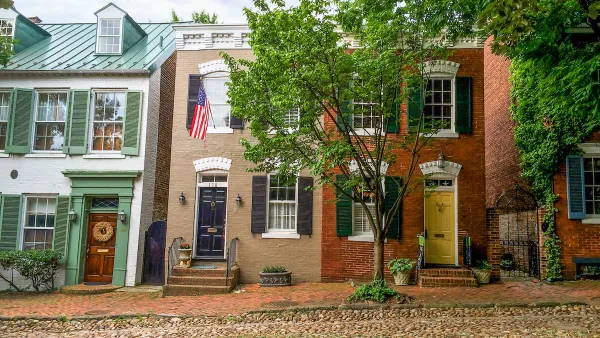
The city will hold a series of public meetings this fall to explain its efforts to boost housing production and affordability.
Report: Nation Short 3.8 Million Housing Units
Housing underproduction in the United States is growing more severe and more widespread.

Tacoma Density Plan Moves to Phase Two
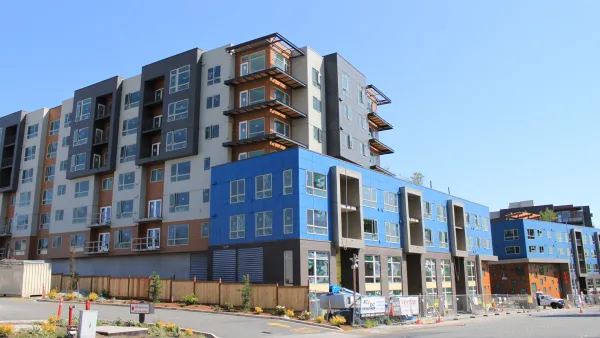
The Home in Tacoma plan would amend the city's zoning code to include more 'missing middle' housing types and encourage infill development.

Planetizen Federal Action Tracker
A weekly monitor of how Trump’s orders and actions are impacting planners and planning in America.

The state-sanctioned urbicide of Austin
People don’t kill cities. Freeways do.

US to reduce Colorado River water deliveries to Mexico
A new Colorado Treaty amendment reduces Mexico’s Colorado River water allocation by 250,000 acre feet.

Airbnb launches $250 million 'last-dollar financing' housing accelerator, makes first investment in Austin
The company will put $6.4 million towards affordable housing development in Texas’ capital.

Guerilla urbanists are building DIY bus stop benches in Chicago
A before-and-after of one of the bus stops with a new bench. The new benches are not officially sanctioned or permitted, but the residents who placed them hope they will be the start of a network of DIY benches across the city.

Mamdani overhauls NYC's Vision Zero plan with 100 new policy goals
The overhaul aims to reduce traffic deaths and make streets safer for pedestrians, cyclists and drivers through lower speed limits, new safety infrastructure and more.

FREE Course: Walkable City 1: Why Walkability?
After describing his path towards focusing on walkability as the essence of good planning, Jeff Speck marches through his five principal reasons for making more walkable places.
Reinventing Malls: Planning Alchemy—Turning Gray Fields Into Gold
The course focuses on the opportunities and imperatives that shape reinvention of mall sites.

Eagle County Government
Harvard University Graduate School of Design
Nashville Planning Department
The Architects Foundation
University of Cincinnati Online
The Pocatello Development Authority
The Urban Renewal Agency of the City of Pocatello
Journal of the American Planning Association