Decades-old policies have led to a deepening shortage of housing units, particularly for low- and middle-income households.


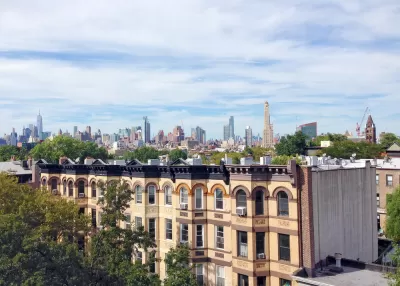
Writing for New York 1, Emily Ngo highlights the shortage of housing, particularly on the lower end of the market, that is squeezing New York City renters. “In an interconnected New York, market forces and policy, profit and politics all play a role in creating this crisis of affordability, at the root of which is supply not meeting demand.”
“In Manhattan, the average rent was $4,094 in August 2021, but it rose to $5,246 by this past August, according to a Douglas Elliman report.”
Ngo points out that the city’s population growth is quickly outpacing predictions. “About 560,000 apartments must be built by 2030 to accommodate population growth, according to a Real Estate Board of New York report.” Meanwhile, efforts to convert the city’s vacant hotel rooms to housing have failed to add to the city’s housing stock.
Read the full story: At the root of NYC's housing crisis, a decades-long problem of supply not meeting demand


Report: Las Vegas, Houston Top List of Least Affordable Cities
The report assesses the availability of affordable rental units for low-income households.

NYC landlords sue Mamdani administration over rent freeze
The suit charges the administration with unfairly promoting the rent freeze and accuses the city's Rent Guidelines Board of yielding to pressure from the mayor.
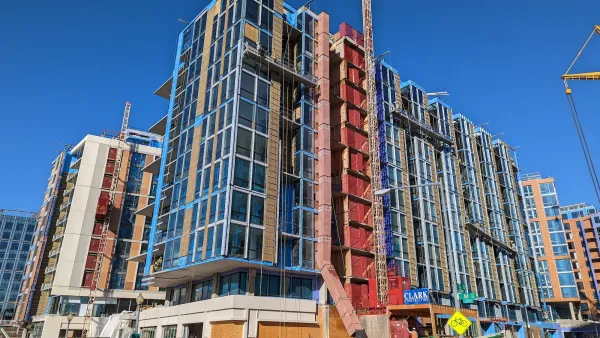
Analysis: DC needs tens of thousands of new homes — not just 'zoned capacity'
Estimates for Washington DC's housing needs range from 15,000 to 170,000.

Planetizen Federal Action Tracker
A weekly monitor of how Trump’s orders and actions are impacting planners and planning in America.

California plans to bury El Niño’s downpour
If the state plays its cards right, it may be able to store a billion acre-feet of El Niño’s water in aquifers.

Desperate measures: Advocates weigh draining Lake Powell to fill Colorado River
Draining the reservoir could reduce evaporation losses by a couple hundred thousand acre-feet.

After public outcry, Massachusetts city releases housing development tracker
Cambridge’s tracker currently shows 250 housing projects in various stages of development.

40 years after approval, Chicago breaks ground on new park
The park honors Jean Baptiste Point du Sable, the city’s first permanent non-native settler.

‘Hoodwinked:’ New Mexico bill aimed at microgrids paves way for data center development
In an interview with High Country News, Padilla said the legislation “ignited” New Mexico's economy.

FREE Course: Walkable City 1: Why Walkability?
After describing his path towards focusing on walkability as the essence of good planning, Jeff Speck marches through his five principal reasons for making more walkable places.
Reinventing Malls: Planning Alchemy—Turning Gray Fields Into Gold
The course focuses on the opportunities and imperatives that shape reinvention of mall sites.

City of Rosemead
Rutgers University, Edward J. Bloustein School of Planning and Public Policy
One Hundred Miles
Hunter College, City University of New York (CUNY)
The Architects Foundation
University of Cincinnati Online
City of Cambridge
Montrose County
The Pocatello Development Authority