Local residents worry that city proposals to increase density will harm neighborhood character, while the city is touting ‘smart growth’ as the goal.



San Diego residents are raising concerns about potential zoning reforms aimed at increasing density and housing construction in the College Area neighborhood. As Omari Fleming writes, “New zoning rules could allow property owners to tear down traditional single-family neighborhood homes and put up three to five-story apartment complexes right next door.” According to the article, “Since at least 2020, members of the College Area Planning Board have been working with city planners to develop a vision for what they call "smart growth" in the area.”
Planners proposed two plans, both of which are facing opposition from local residents. “Neighbors say the Grand Boulevards plan is bad because it adds 10,000 new housing units to the area, while the 15-Minute plan is worse because it adds 20,000 and is based on outdated SANDAG growth projections.”
In a classic NIMBY argument, critics fear that rising property values will prompt local homeowners to sell to developers. “A city spokesperson told NBC 7 the two plans are part of a survey for the College Area Community Plan update to get feedback about the location and scale of new homes in the area. They said there will be more surveys and opportunities for input before public hearings begin in the spring of 2023.”
Read the full story: Rezoning in College Area Could Clear Way for High-Density Buildings

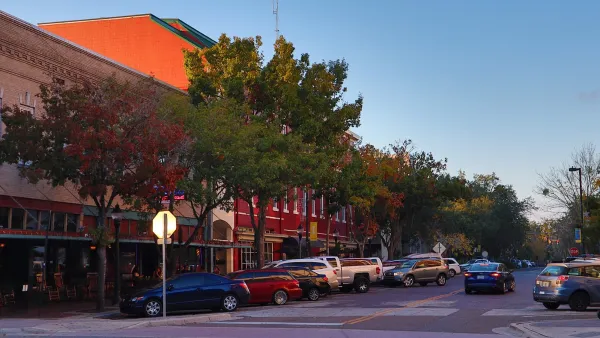
Gainesville Weighs Zoning Reform Proposal
The northern Florida city could follow others in removing barriers to building accessory dwelling units and multifamily buildings in neighborhoods currently zoned for single-family homes. Some local residents oppose the plan.

How Cities Are Resisting State Efforts To Increase Density
Cities are attempting to wrest back local control over land use and zoning via some ingenious—and sometimes disingenuous—strategies.

San Diego wants to limit upzoning law to just 16% of transit-adjacent parcels
The city's planning director says some areas are unfit for immediate upzoning due to a lack of resources or hazards such as wildfire risk.

Planetizen Federal Action Tracker
A weekly monitor of how Trump’s orders and actions are impacting planners and planning in America.

The state-sanctioned urbicide of Austin
People don’t kill cities. Freeways do.

US to reduce Colorado River water deliveries to Mexico
A new Colorado Treaty amendment reduces Mexico’s Colorado River water allocation by 250,000 acre feet.

Nation's most wind-powered state turns to coal as data centers increase energy demand
For the first time in decades, Iowa has increased its generation of coal power.

NYC cools commuters with city's first rain garden above a bus stop
New York City officials say the plants in the rain garden can absorb 16 gallons of rainwater during heavy storms.

Brightline West’s future may rely on $6 billion federal loan
The company has until Nov. 2 to make a $400 million equity investment into its proposed high-speed rail line.

FREE Course: Walkable City 1: Why Walkability?
After describing his path towards focusing on walkability as the essence of good planning, Jeff Speck marches through his five principal reasons for making more walkable places.
Reinventing Malls: Planning Alchemy—Turning Gray Fields Into Gold
The course focuses on the opportunities and imperatives that shape reinvention of mall sites.

Greater Baltimore Committee
Eagle County Government
Harvard University Graduate School of Design
The Architects Foundation
University of Cincinnati Online
The Pocatello Development Authority
The Urban Renewal Agency of the City of Pocatello
Journal of the American Planning Association