Traffic from the area's booming distribution centers is damaging local roads and causing concern among residents.



Henry County, Georgia is booming with distribution centers and warehouses that have driven close to 35% of the county's growth over the last decade and a half. "The success, however, has come at a cost," reports Leon Stafford in the Atlanta Journal-Constitution. The massive warehouses, some as big as 20 football fields, have put unprecedented strain on the county's roads and caught officials unprepared for the backlash and damaged infrastructure. "Roads are choked with truck congestion, which in turn has made potholes cracking under the weight of tractor-trailers ubiquitous," writes Stafford.
Some county leaders are proposing a moratorium on additional warehouses until a plan to fix damaged roads, better accommodate trucks and passenger cars, and implement future taxes can be worked out. Others worry the move could endanger the county's relationship with major employers and send an anti-business signal to companies considering a move to Henry. The county sits squarely in the path of goods leaving the ports at Savannah, but "the state’s push to connect that business to Hartsfield Jackson International Airport did not come with adequate road expansions for distribution hubs like Henry that became part of the system." The Board of Commissioners delayed a vote on a moratorium last month, citing a need for further study.
FULL STORY: Henry proposes warehouse moratorium as growth overwhelms roads


Trump Approves Futuristic Automated Texas-Mexico Cargo Corridor
The project could remove tens of thousands of commercial trucks from roadways.
How Planners Can Help Cut Corporate Carbon
Up to 75 percent or more of many companies’ greenhouse gas emissions come from activities impacted by urban planning. Like it or not, planners are key players in mitigation. Technology can help.
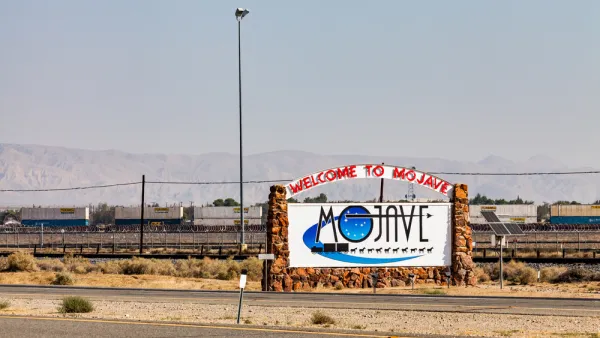
Inland Port Planned for Mojave Desert
California’s Kern County approved plans to build a 410-acre logistics hub to expand capacity for cargo coming from the ports of Los Angeles and Long Beach.

The state-sanctioned urbicide of Austin
People don’t kill cities. Freeways do.

US to reduce Colorado River water deliveries to Mexico
A new Colorado Treaty amendment reduces Mexico’s Colorado River water allocation by 250,000 acre feet.

New Jersey’s second-largest city bans standalone data centers
Jersey City will continue to allow co-location facilities, such as those meant for research institutions that store their own data.

Amtrak not solely to blame for New Jersey commuter rail's unreliability, report finds
A new study from the Garden State Initiative found that NJ Transit’s budget grew 20% across a 4 year period, but reliability declined significantly over the same period.

EPA erases limits on planet-warming pollution from power plants
Under Monday’s plan, power plants would still have some limits on how much mercury, arsenic and other contaminants they can emit.

Phoenix announces new on-demand transit service, more frequent RAPID buses
Both new services will launch in October, and are part of Phoenix's Project Effective Access Solutions for Easing Congestion.

FREE Course: Walkable City 1: Why Walkability?
After describing his path towards focusing on walkability as the essence of good planning, Jeff Speck marches through his five principal reasons for making more walkable places.
Reinventing Malls: Planning Alchemy—Turning Gray Fields Into Gold
The course focuses on the opportunities and imperatives that shape reinvention of mall sites.

Eagle County Government
Harvard University Graduate School of Design
Nashville Planning Department
The Architects Foundation
University of Cincinnati Online
The Pocatello Development Authority
The Urban Renewal Agency of the City of Pocatello
Journal of the American Planning Association