The 80-year-old Bunker Hill public housing complex will be replace according to a plan approved recently by the Boston Planning and Development Agency.



The Boston Planning and Development Agency board recently approved zoning for a 2,700-unit public housing complex that will replace 1,100 low-income apartments in the neighborhood of Charlestown in addition to adding the difference in market-rate apartments and condos, according to an article by Tim Logan.
"The $1.4 billion project, which has been in the works since 2015, is the most ambitious effort yet by the Boston Housing Authority to leverage the city’s hot real estate market to refresh decades-old public housing," reports Logan. "Under a deal with the city, developers Joseph J. Corcoran Co. and Leggat McCall Properties would overhaul the 26-acre site on the northern edge of Charlestown, gradually demolishing some 41 low-rise apartment blocks to make way for 15 larger buildings, along with open space, retail, and other amenities."
Current residents of the complex have been promised right of return and have worked with the city and developers throughout the process so far. An organization called the Charlestown Resident Alliance, representing the 2,500 residents of the complex, put out a statement in support of the project.
The project still requires approval from the Boston Zoning Commission, with several critical details on issues of transportation still to be decided.
Read the full story: Massive renovation of Bunker Hill public housing wins a key approval


Boston Zoning Commission to Consider ‘Squares and Streets’ Plan
The proposal would reduce barriers to the development of denser housing.
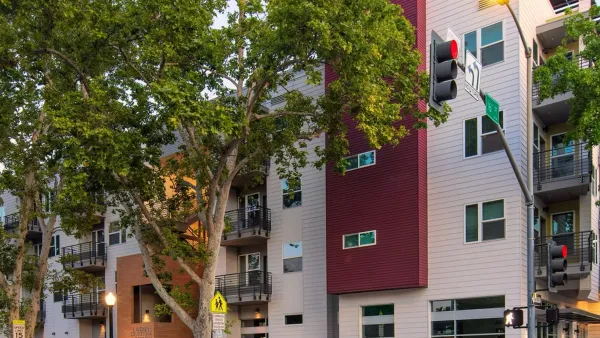
New Washington State Law Lets Cities Give Social Housing Developers City-owned Land
In its current form, HB 1687, which authorizes local governments to assist social housing agencies with land or other resources, only applies to Seattle.

Boston Affordable Housing Program Meets 1,000-Unit Goal
The program offers zero-interest loans to developers that keep rental units affordable for at least 50 years.

Planetizen Federal Action Tracker
A weekly monitor of how Trump’s orders and actions are impacting planners and planning in America.

The state-sanctioned urbicide of Austin
People don’t kill cities. Freeways do.

US to reduce Colorado River water deliveries to Mexico
A new Colorado Treaty amendment reduces Mexico’s Colorado River water allocation by 250,000 acre feet.

Nation's most wind-powered state turns to coal as data centers increase energy demand
For the first time in decades, Iowa has increased its generation of coal power.
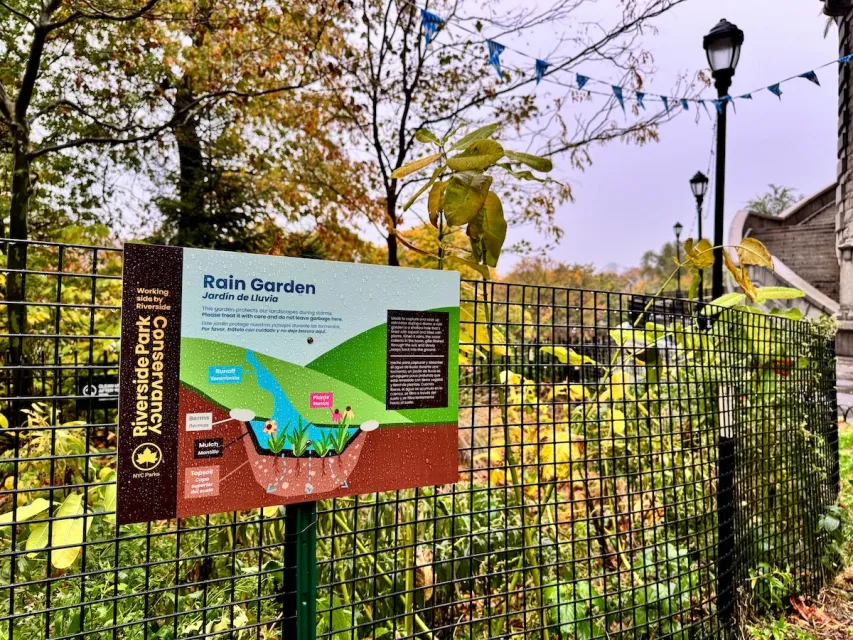
NYC cools commuters with city's first rain garden above a bus stop
New York City officials say the plants in the rain garden can absorb 16 gallons of rainwater during heavy storms.

Brightline West’s future may rely on $6 billion federal loan
The company has until Nov. 2 to make a $400 million equity investment into its proposed high-speed rail line.

FREE Course: Walkable City 1: Why Walkability?
After describing his path towards focusing on walkability as the essence of good planning, Jeff Speck marches through his five principal reasons for making more walkable places.
Reinventing Malls: Planning Alchemy—Turning Gray Fields Into Gold
The course focuses on the opportunities and imperatives that shape reinvention of mall sites.

Eagle County Government
Harvard University Graduate School of Design
Nashville Planning Department
The Architects Foundation
University of Cincinnati Online
The Pocatello Development Authority
The Urban Renewal Agency of the City of Pocatello
Journal of the American Planning Association