A tiny house village has been approved for a location in Downtown Omaha. When complete, the new homes will provide stability and shelter for the formerly unhoused.



"A village of 50 stand-alone dwellings, each about the size of a small hotel room, is poised to rise on two acres of mostly industrial property in north downtown," reports Cindy Gonzalez from Omaha.
Arch Icon Development and Siena Francis House are working together on the project, offering the village as a "next step toward independence for folks who have been thriving in other homeless shelter programs," according to Gonzalez.
"Each tiny house would be rented, and will include a kitchen, bedroom, living area and covered porch. They will be part of a gated neighborhood featuring a community center with common laundry and bike storage rooms, a business hub and offices for on-site managers."
The village will be located within walking distance of the Siena Francis House headquarters, and numerous other opportunities for services, for an additional boost for residents.
The article references Eric Englund of the Omaha Planning Department as a subject matter expert on the potential benefit of the project to an area that has tended to see a lack of development interest. "It’s at a sort of forgotten crossroads: to the west is neglected parkland; to the east is an industrial corridor and the emerging Millwork Commons district; to the south are services for the homeless and veterans; and to the north is a residential neighborhood," writes Gonzalez to summarize Englund's insight.
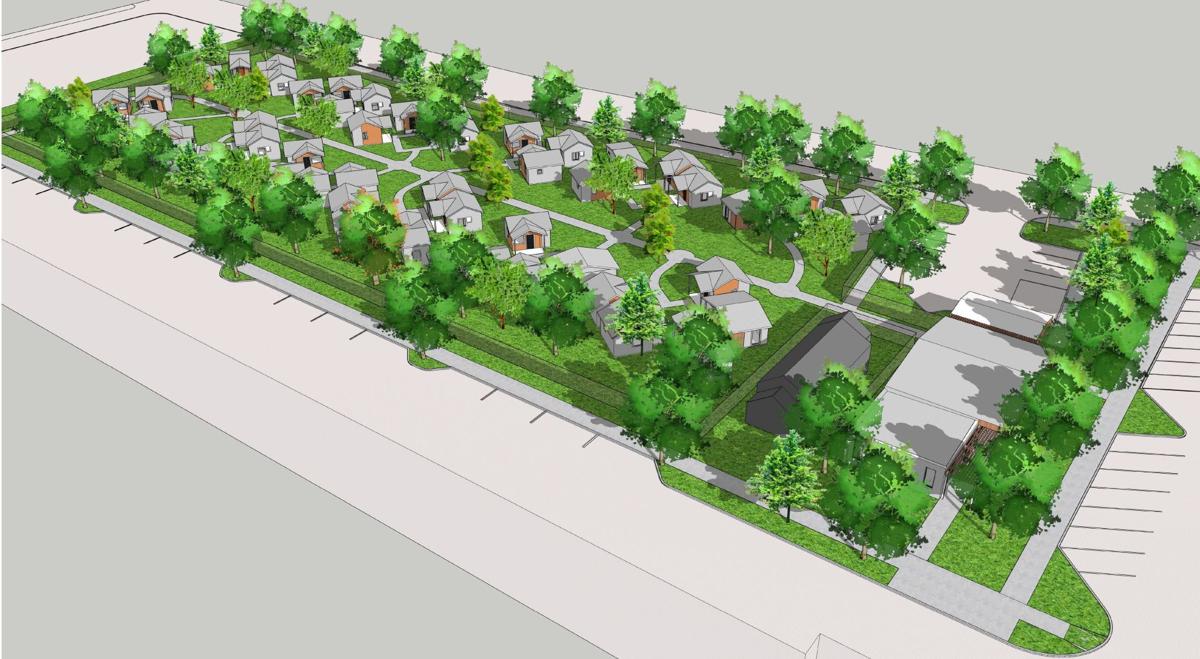
Alley Poyner Macchietto Architecture designed the project, according to the article.
FULL STORY: A tiny house village appears headed to north downtown

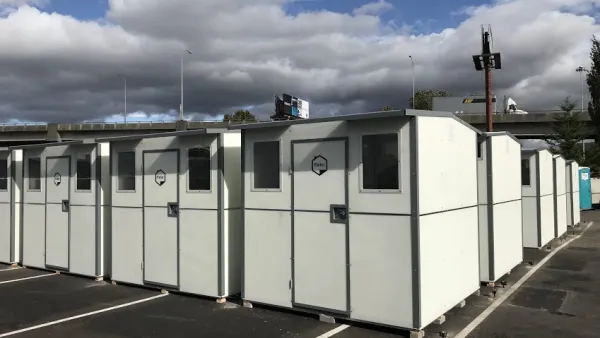
'Tiny Home Village' Fires Raise Doubts About Their Sustainability
'Tiny home villages' were touted as a quick, if temporary, solution to California's housing crisis, but a series of fires is raising concern about their safety.

A 'Tiny Home Village' Grows in Los Angeles
The complex can house over 200 people and will provide bathrooms and social services for people transitioning out of homelessness.
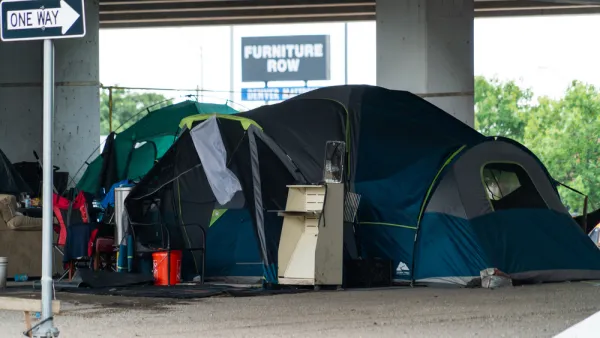
Austin Selects Two Potential Sites for Sanctioned Encampments
The city plans to install temporary housing and facilities as part of its efforts to reduce homelessness and help people move into permanent housing.

The state-sanctioned urbicide of Austin
People don’t kill cities. Freeways do.

US to reduce Colorado River water deliveries to Mexico
A new Colorado Treaty amendment reduces Mexico’s Colorado River water allocation by 250,000 acre feet.

New Jersey’s second-largest city bans standalone data centers
Jersey City will continue to allow co-location facilities, such as those meant for research institutions that store their own data.

Amtrak not solely to blame for New Jersey commuter rail's unreliability, report finds
A new study from the Garden State Initiative found that NJ Transit’s budget grew 20% across a 4 year period, but reliability declined significantly over the same period.

EPA erases limits on planet-warming pollution from power plants
Under Monday’s plan, power plants would still have some limits on how much mercury, arsenic and other contaminants they can emit.

Phoenix announces new on-demand transit service, more frequent RAPID buses
Both new services will launch in October, and are part of Phoenix's Project Effective Access Solutions for Easing Congestion.

FREE Course: Walkable City 1: Why Walkability?
After describing his path towards focusing on walkability as the essence of good planning, Jeff Speck marches through his five principal reasons for making more walkable places.
Reinventing Malls: Planning Alchemy—Turning Gray Fields Into Gold
The course focuses on the opportunities and imperatives that shape reinvention of mall sites.

Eagle County Government
Harvard University Graduate School of Design
Nashville Planning Department
The Architects Foundation
University of Cincinnati Online
The Pocatello Development Authority
The Urban Renewal Agency of the City of Pocatello
Journal of the American Planning Association