In many American cities, restaurants are beacons of economic revitalization and social vibrancy. Calculations are still being made to determine the toll taken on the nation's eateries, and in turn, the urban economies they serve.


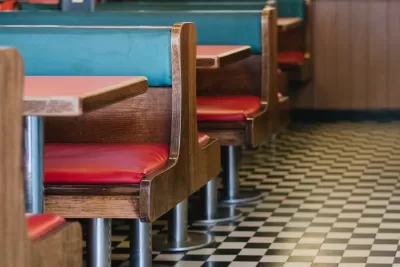
Many restaurants relying on exclusively delivery and pickup orders in compliance with social distancing protocols face an uncertain future. The strain of reduced hours and staffing put pressure on restaurant owners to rectify the loss of income and service volume.
"The danger facing restaurants, which thrive on crowded rooms and get by on razor-thin margins, poses a special threat to small cities and large towns where a robust food culture plays an outsize role in the economy," write Jennifer Steinhauer and Pete Wells, reflecting on the role of food culture in the revival and survival of cities large and small, and pointing out the lack of federal acknowledgment of their value.
With upwards of 400,000 U.S. food and beverage service jobs lost in March, many small restaurants struggle to take advantage of the $310 billion in federal funding which requires 75% of the funding to be used for payroll in order to receive loan forgiveness. These programs are simply "not useful for eateries that may need to remain shuttered or half full for months after other kinds of businesses are fully operational," say Steinhauer and Wells, highlighting the uniquely difficult predicament faced by the nation's restaurants.
FULL STORY: As Restaurants Remain Shuttered, American Cities Fear the Future

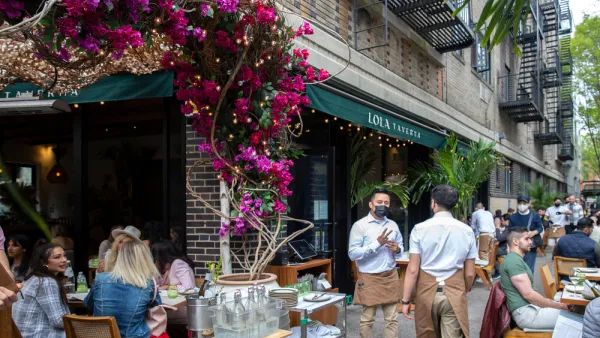
Americans Have Fallen in Love With Outdoor Dining
Started as a response to pandemic restrictions, al fresco dining has taken off as customers, restaurant owners, and city officials realize the social and economic benefits of outdoor dining spaces.
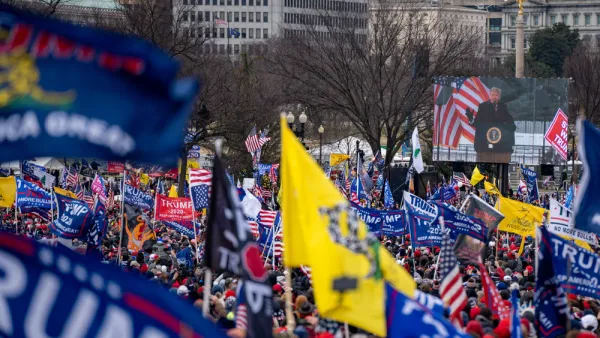
Coronavirus Daily Deaths Top 4,000 in U.S.
For the first time in the pandemic, over 4,000 Americans died on one day, January 7, from a disease that had no name before Feb. 11, 2020.
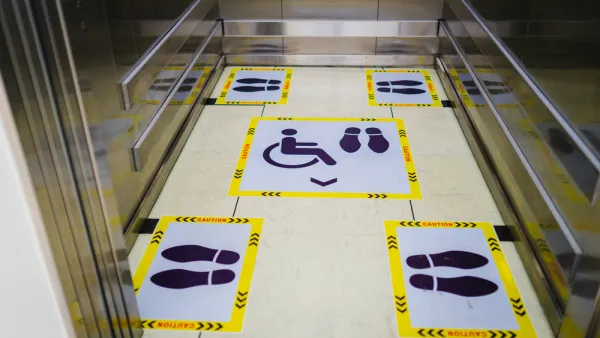
Against 'Pandemic-Friendly' Planning
Since COVID-19 won't last forever, planners should not act as if it will, according to this opinion.

The state-sanctioned urbicide of Austin
People don’t kill cities. Freeways do.

US to reduce Colorado River water deliveries to Mexico
A new Colorado Treaty amendment reduces Mexico’s Colorado River water allocation by 250,000 acre feet.

New Jersey’s second-largest city bans standalone data centers
Jersey City will continue to allow co-location facilities, such as those meant for research institutions that store their own data.

Amtrak not solely to blame for New Jersey commuter rail's unreliability, report finds
A new study from the Garden State Initiative found that NJ Transit’s budget grew 20% across a 4 year period, but reliability declined significantly over the same period.

EPA erases limits on planet-warming pollution from power plants
Under Monday’s plan, power plants would still have some limits on how much mercury, arsenic and other contaminants they can emit.

Phoenix announces new on-demand transit service, more frequent RAPID buses
Both new services will launch in October, and are part of Phoenix's Project Effective Access Solutions for Easing Congestion.

FREE Course: Walkable City 1: Why Walkability?
After describing his path towards focusing on walkability as the essence of good planning, Jeff Speck marches through his five principal reasons for making more walkable places.
Reinventing Malls: Planning Alchemy—Turning Gray Fields Into Gold
The course focuses on the opportunities and imperatives that shape reinvention of mall sites.

Eagle County Government
Harvard University Graduate School of Design
Nashville Planning Department
The Architects Foundation
University of Cincinnati Online
The Pocatello Development Authority
The Urban Renewal Agency of the City of Pocatello
Journal of the American Planning Association