The effects of the economic downturn resulting from the public health crisis presented by Covid-19 could have long-term impacts on the ability of California to plan and build new transportation infrastructure.


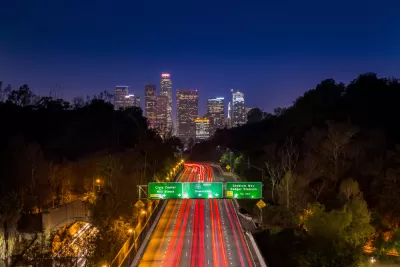
The Mineta Transportation Institute published predictions of dire consequences for transportation revenue in the state of California as a result of the Covid-19 pandemic.
"The Impact of COVID-19 on California Transportation Revenue" reports predicts revenue to drop by $9.4 billion to $11.4 billion through 2030 depending on the pace of economic recovery.
"The study used a tested spreadsheet model and well-known data sources to project transportation revenues generated by California’s Senate Bill 1 (2017) package of taxes and fees. These are taxes on gasoline and diesel fuel, plus two annual fees levied on vehicles," according to the study's abstract.
The report suggests that licensing fees for electric vehicles could potentially make up the difference in lost gas tax revenues according to the scenarios used to generate the report's findings.
FULL STORY: The Impact of COVID-19 on California Transportation Revenue

New Jersey Bill Would Raise Gas Tax, Create EV Registration Fee
The bill’s supporters argue that increased revenue is needed to keep up with the state’s infrastructure and transportation needs.
California Poised to Lose Up to $4 Billion in Gas Tax Revenue
States must find other ways to fund transportation projects as the transportation sector moves toward decarbonization.
Hawaii Could Implement Road Usage Charge
The tax would apply to electric vehicles, which avoid the state’s gas tax and are a growing percentage of cars on the road.

Planetizen Federal Action Tracker
A weekly monitor of how Trump’s orders and actions are impacting planners and planning in America.

The state-sanctioned urbicide of Austin
People don’t kill cities. Freeways do.

US to reduce Colorado River water deliveries to Mexico
A new Colorado Treaty amendment reduces Mexico’s Colorado River water allocation by 250,000 acre feet.

Baltimore to break ground on $50 million Transit Priority Project
The project will bring faster bus trips, safer streets and better bike connections to Baltimore.

Airbnb launches $250 million 'last-dollar financing' housing accelerator, makes first investment in Austin
The company will put $6.4 million towards affordable housing development in Texas’ capital.

Guerilla urbanists are building DIY bus stop benches in Chicago
A before-and-after of one of the bus stops with a new bench. The new benches are not officially sanctioned or permitted, but the residents who placed them hope they will be the start of a network of DIY benches across the city.

FREE Course: Walkable City 1: Why Walkability?
After describing his path towards focusing on walkability as the essence of good planning, Jeff Speck marches through his five principal reasons for making more walkable places.
Reinventing Malls: Planning Alchemy—Turning Gray Fields Into Gold
The course focuses on the opportunities and imperatives that shape reinvention of mall sites.

Eagle County Government
Harvard University Graduate School of Design
Nashville Planning Department
The Architects Foundation
University of Cincinnati Online
The Pocatello Development Authority
The Urban Renewal Agency of the City of Pocatello
Journal of the American Planning Association