The signs of the times say much more than words can express.


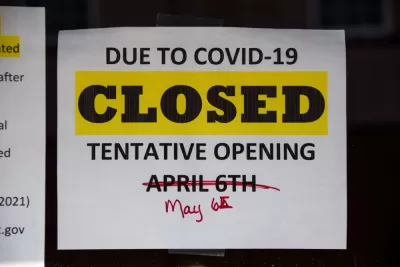
Henry Grabar writes about the signs filling the windows of shops and businesses in cities all over the country, "as if our protective masks stifled the ability to speak and left us to communicate only in writing." Some of these signs are funny and optimistic, while some can make the reader wince.
"The notes tell the story of the more than 10 million Americans who have lost their jobs in the last two weeks, as almost every state has shuttered nonessential businesses in an attempt to slow the spread of the coronavirus."
From Chicago to Pittsburgh to South L.A., the article samples the signs of times, not just in store windows, but also on highways and written on sidewalks in chalk. The "signs of coronavirus" are everywhere, according to Grabar. "With Americans isolated by distancing rules, signs lend each exchange the thrill and weight of performance."
Read the full story: The Signs of the Coronavirus

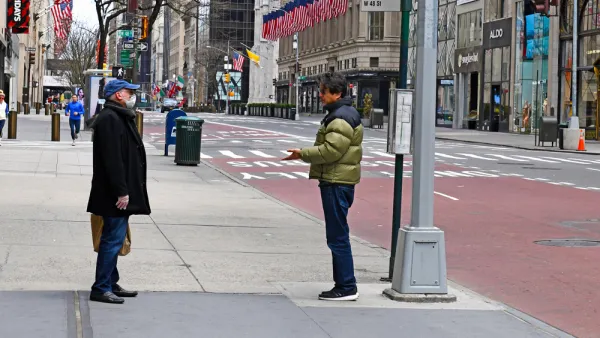
Friday Eye Candy: Covid-19, Then and Now
The New York Times compared images from readers portraying similar scenes in 2020 and 2022.

More Support Needed for Organizations Serving the Underserved
A new report details how policymakers and community leaders can improve California's efforts to advance an equitable recovery from COVID by supporting and empowering community-based organizations in underserved communities.
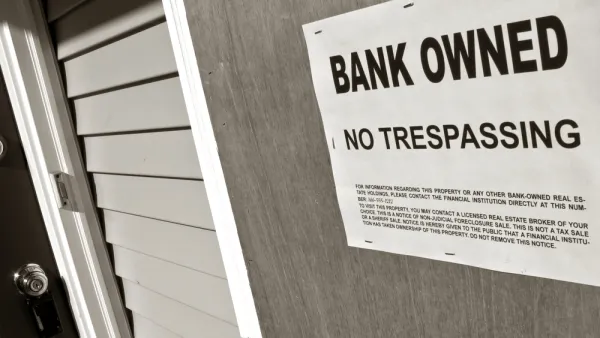
Federal Government Developing More Foreclosure Protections
Millions of American property owners are behind on mortgage payments and facing the prospect of foreclosure and eviction later this year.

Planetizen Federal Action Tracker
A weekly monitor of how Trump’s orders and actions are impacting planners and planning in America.

Amtrak, CN end decades-long dispute with eight-year agreement
The new operating agreement establishes an updated framework for the companies to work together, including processes to resolve disputes.
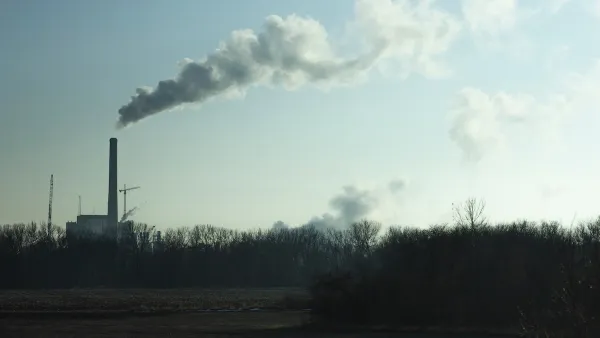
Nation's most wind-powered state turns to coal as data centers increase energy demand
For the first time in decades, Iowa has increased its generation of coal power.

Trump is considering data centers on 6 states' public land — some state officials say they had no idea
If the administration approves the proposed projects, data center and data center-related developments will cover 17,600 acres of public land.

Despite court ruling, Trump is keeping nearly all wind projects in the US on hold
At least 110 wind energy projects have not heard from the government since a federal judge ruled that the Trump administration's freeze on wind turbine clearances was likely illegal.

Community feedback ushers in changes to NYC’s Park Avenue redesign
New aspects of the design include a two-way bike lane and separate paths for cyclists and pedestrians.

FREE Course: Walkable City 1: Why Walkability?
After describing his path towards focusing on walkability as the essence of good planning, Jeff Speck marches through his five principal reasons for making more walkable places.
Reinventing Malls: Planning Alchemy—Turning Gray Fields Into Gold
The course focuses on the opportunities and imperatives that shape reinvention of mall sites.

KFH Group Inc.
Greater Baltimore Committee
Eagle County Government
The Architects Foundation
University of Cincinnati Online
The Pocatello Development Authority
The Urban Renewal Agency of the City of Pocatello