As the outbreak continues, the country’s housing finance system faces a number of serious threats and challenges.


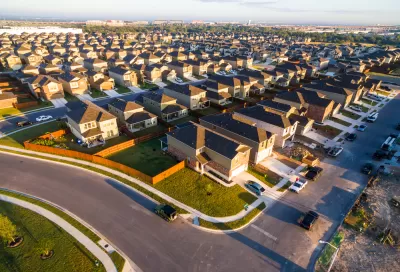
Don Layton presents a detailed analysis of the U.S. housing finance system and various stress points that could emerge as the result of the coronavirus pandemic.
Layton’s in-depth discussion covers topics including mortgage-backed securities, Federal Home Loan Banks, non-bank services, private mortgage insurance companies, credit risk transfer, and government-sponsored enterprise.
"If these stresses are not adequately addressed, the impact on the mortgage markets could be severe, making housing finance more expensive and more scarce, and making the mortgage system a continuing source of financial instability," says Layton.
Layton also advocates for a post-mortem to better understand the system’s weaknesses and vulnerabilities. "After the crisis subsides, it will be time for a proper, comprehensive review of housing finance to improve its liquidity, capitalization, and the many operational mechanisms that do not do well in a stressed environment."
FULL STORY: AMERICA’S HOUSING FINANCE SYSTEM IN THE PANDEMIC: TEN STRESS POINTS TO WATCH


The Death and Life of the 'Death of the City' Narrative
At the onset of the pandemic, certain media figures were quick to jump on the bandwagon of anti-urbanism. While many of the anti-urban predictions failed to come about—neither did the problems of cities disappear.
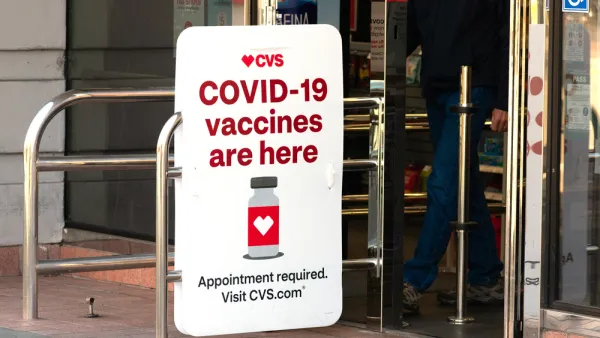
Will CDC's Revised Guidance for Fully Vaccinated People Prolong the Pandemic?
The CDC abruptly changed its masking guidance on May 13 to further distinguish behavior for those who are fully vaccinated from those who are not, prompting states, counties and businesses to end indoor mask mandates and social distancing.

Covid Burnout Causing Mayoral Turnover
A large number of local leaders are leaving office ahead of schedule; many report Covid burnout as the cause of their departure.

Planetizen Federal Action Tracker
A weekly monitor of how Trump’s orders and actions are impacting planners and planning in America.

The state-sanctioned urbicide of Austin
People don’t kill cities. Freeways do.

US to reduce Colorado River water deliveries to Mexico
A new Colorado Treaty amendment reduces Mexico’s Colorado River water allocation by 250,000 acre feet.

5 New England states march closer to 800 megawatt wind energy project
Securing federal approval for the project may be complicated under the Trump administration, which has historically been hostile towards domestic wind power.

Baltimore to break ground on $50 million Transit Priority Project
The project will bring faster bus trips, safer streets and better bike connections to Baltimore.

Airbnb launches $250 million 'last-dollar financing' housing accelerator, makes first investment in Austin
The company will put $6.4 million towards affordable housing development in Texas’ capital.

FREE Course: Walkable City 1: Why Walkability?
After describing his path towards focusing on walkability as the essence of good planning, Jeff Speck marches through his five principal reasons for making more walkable places.
Reinventing Malls: Planning Alchemy—Turning Gray Fields Into Gold
The course focuses on the opportunities and imperatives that shape reinvention of mall sites.

Eagle County Government
Harvard University Graduate School of Design
Nashville Planning Department
The Architects Foundation
University of Cincinnati Online
The Pocatello Development Authority
The Urban Renewal Agency of the City of Pocatello
Journal of the American Planning Association