Track the response of local transportation strategies responding to the massive shift in travel demand as a result of the pandemic.


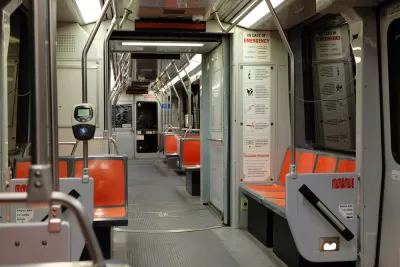
The National Association of City Transportation Officials (NACTO) and the Bloomberg Philanthropies have announced a new online platform for transportation-focused strategies in response to the coronavirus pandemic.
According to a press release from Bloomberg Philanthropies, the Transportation Response Center “[gives] mayors, city officials and other practitioners real-time information on the transportation strategies cities are deploying to adapt to the rapidly evolving international health emergency.”
“The Transportation Response Center is a clearing house for actionable, adaptable practices already implemented in many cities, such as: Seattle and Austin converting parking spaces into restaurant food pick-up zones; New York, Seattle, Detroit and other cities allowing rear-door bus boarding or waiving transit fares; and cities like Philadelphia and Minneapolis opening former vehicular traffic roads exclusively for pedestrians and bike riders in order to allow citizens to exercise outside while maintaining healthy social distancing.”
The online platform is the second such partnership for online collaboration enabled by Bloomberg Philanthropies. Previously, Bloomberg Philanthropies worked with the National League of Cities to create the Local Action Tracker.
Planetizen has launched a new Coronavirus Tools tag to track efforts to collect resources and information online to help make sense of the wave of news and policies emerging in response to the Coronavirus.
FULL STORY: Local Coronavirus Action Tracker

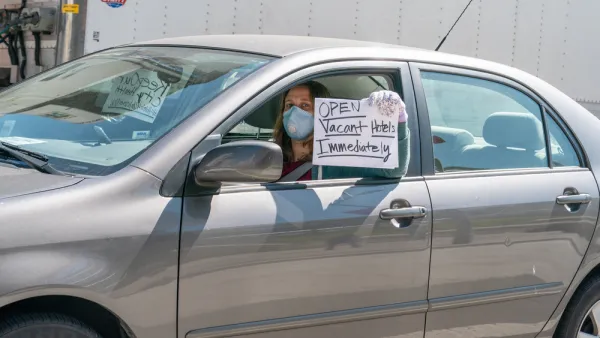
Hotels Could Play a Critical Role in Containing Coronavirus in Crowded Cities
Some cities are leasing entire hotels to provide rooms for people who have tested positive for COVID-19 or been exposed to infected people, to allow for safe and supportive isolation away from family or household members who risk being infected.
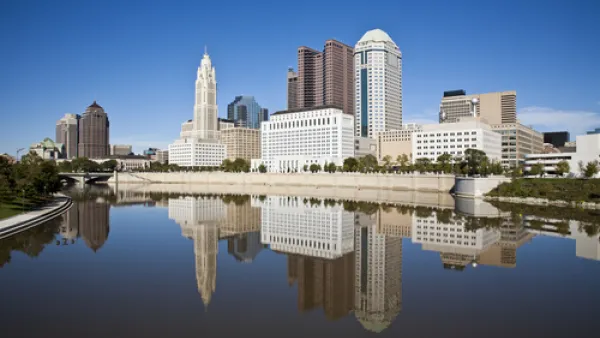
Another State (Ohio) Gets It Right
Washington and California have been praised for early efforts to mitigate community spread of the novel coronavirus, resulting in relatively low rates of infection, hospitalization, and ultimately, death. Add Ohio to the bunch.

Even Parks Are Going Online During the Pandemic
Parks departments in New York City and Pittsburgh are offering videos and livestreams to cooped-up residents.

The state-sanctioned urbicide of Austin
People don’t kill cities. Freeways do.

US to reduce Colorado River water deliveries to Mexico
A new Colorado Treaty amendment reduces Mexico’s Colorado River water allocation by 250,000 acre feet.

New Jersey’s second-largest city bans standalone data centers
Jersey City will continue to allow co-location facilities, such as those meant for research institutions that store their own data.

Amtrak not solely to blame for New Jersey commuter rail's unreliability, report finds
A new study from the Garden State Initiative found that NJ Transit’s budget grew 20% across a 4 year period, but reliability declined significantly over the same period.

EPA erases limits on planet-warming pollution from power plants
Under Monday’s plan, power plants would still have some limits on how much mercury, arsenic and other contaminants they can emit.

Phoenix announces new on-demand transit service, more frequent RAPID buses
Both new services will launch in October, and are part of Phoenix's Project Effective Access Solutions for Easing Congestion.

FREE Course: Walkable City 1: Why Walkability?
After describing his path towards focusing on walkability as the essence of good planning, Jeff Speck marches through his five principal reasons for making more walkable places.
Reinventing Malls: Planning Alchemy—Turning Gray Fields Into Gold
The course focuses on the opportunities and imperatives that shape reinvention of mall sites.

Eagle County Government
Harvard University Graduate School of Design
Nashville Planning Department
The Architects Foundation
University of Cincinnati Online
The Pocatello Development Authority
The Urban Renewal Agency of the City of Pocatello
Journal of the American Planning Association