Residents are arguing that a Williamsburg development would negatively affect the neighborhood. But it’s a grassroots effort to protect the status quo in a neighborhood where gentrification benefited them.


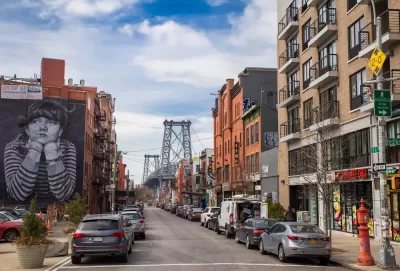
"Opponents of a rezoning that is needed to allow a big new residential development called River Street, on the Williamsburg waterfront, are making some of the exact same arguments used by foes of a 2005 rezoning in the same Brooklyn neighborhood," writes Steve Cuozzo.
The site is currently zoned for industrial, and wealthy residents in the area want it to stay that way. They say that the proposed development would affect home values, cause overcrowding, and obstruct views.
But Cuozzo points out that many of these residents opposing River Street benefited the 2005 rezoning that brought 12,000 new homes to the area and spurred gentrification.
"Fair scrutiny and community input are fair. But while rezonings are rightly drawing longer and harder looks than in the past, it is worth keeping in mind where the harshest looks are coming from. At River Street, they aren’t from the poor. As in many other contexts, too often NIMBY-ism is all about the boutique preferences of the well-heeled and comfortably entrenched," says Cuozzo.
FULL STORY: Yet another zoning fight that’s all about protecting the rich

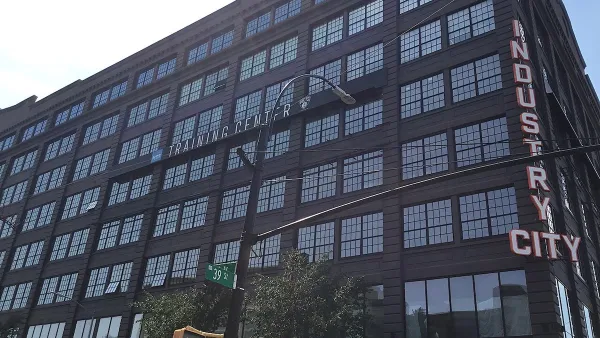
‘Emergent City’ Documentary Highlights Rare Anti-Gentrification Victory
The film charts the saga of a Brooklyn site called Industry City.
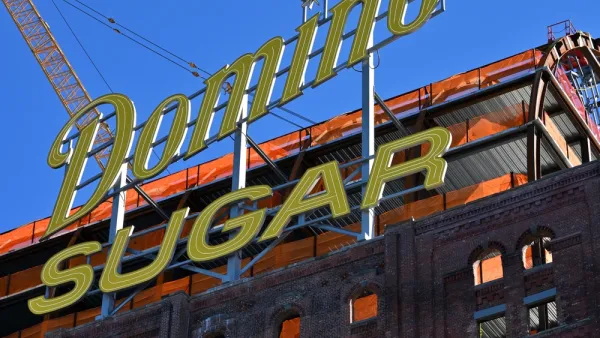
Bitter Irony Behind Brooklyn’s Sweet Domino Sugar Sign
A new feature on the Brooklyn waterfront is a reminder that Domino Sugar has made several unsavory appearances in the history of Puerto Rican communities.
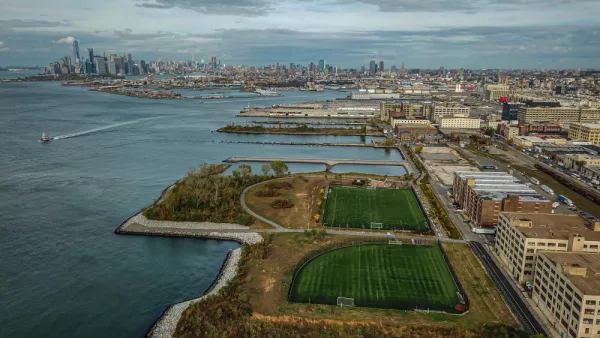
A Planning Showdown in New York City
The proposal to rezone the Industry City redevelopment area in the Sunset Park neighborhood of Brooklyn has won a key approval, but a controversial showdown in the City Council still awaits.

Planetizen Federal Action Tracker
A weekly monitor of how Trump’s orders and actions are impacting planners and planning in America.

The state-sanctioned urbicide of Austin
People don’t kill cities. Freeways do.

US to reduce Colorado River water deliveries to Mexico
A new Colorado Treaty amendment reduces Mexico’s Colorado River water allocation by 250,000 acre feet.

5 New England states march closer to 800 megawatt wind energy project
Securing federal approval for the project may be complicated under the Trump administration, which has historically been hostile towards domestic wind power.

Baltimore to break ground on $50 million Transit Priority Project
The project will bring faster bus trips, safer streets and better bike connections to Baltimore.

Airbnb launches $250 million 'last-dollar financing' housing accelerator, makes first investment in Austin
The company will put $6.4 million towards affordable housing development in Texas’ capital.

FREE Course: Walkable City 1: Why Walkability?
After describing his path towards focusing on walkability as the essence of good planning, Jeff Speck marches through his five principal reasons for making more walkable places.
Reinventing Malls: Planning Alchemy—Turning Gray Fields Into Gold
The course focuses on the opportunities and imperatives that shape reinvention of mall sites.

Eagle County Government
Harvard University Graduate School of Design
Nashville Planning Department
The Architects Foundation
University of Cincinnati Online
The Pocatello Development Authority
The Urban Renewal Agency of the City of Pocatello
Journal of the American Planning Association