A Kentucky town welcomed Amazon’s arrival, but the economic outcomes over the last two decades have been lackluster.


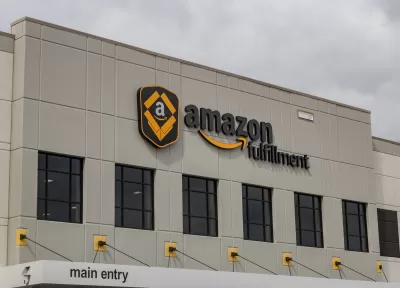
David Streitfeld writes about Amazon’s impact on cities and towns through a closer look at the experience of Campbellsville, Kentucky, where Fruit of the Loom operated until the late 1990s. Amazon came in soon after and leased a former warehouse, which became one of the company’s first fulfillment centers.
Local leaders and residents express conflicting feelings about Amazon. It has brought jobs to the economically depressed town, but people are still struggling. The median household income has not increased and poverty levels are high. Amazon, on the other hand, has benefited from huge tax breaks, including a payroll tax measure that has given $19 million over a decade back to the company.
Amazon also has not hired the number of workers it promised it would, and Campbellsville officials say they wish it would contribute more to support residents and local institutions. "Less visibly, Amazon shapes the local economy, including which businesses survive and which will not be coming to town at all. It supplies small-screen entertainment every night, influences how the schools and the library use technology and even determined the taxes everyone pays," says Streitfeld.
Read the full story: Prime Anchor: An Amazon Warehouse Town Dreams of a Better Life
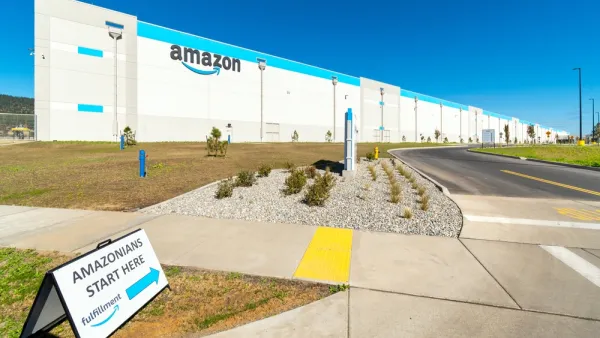
Amazon Plans for More Massive Warehouses
The company is building its biggest-ever distribution centers in New York, Colorado, and California.

Amazon’s Growing Real Estate Empire
The e-commerce giant has been quietly buying up massive swaths of property as the company works to reduce shipping times as dramatically as possible.
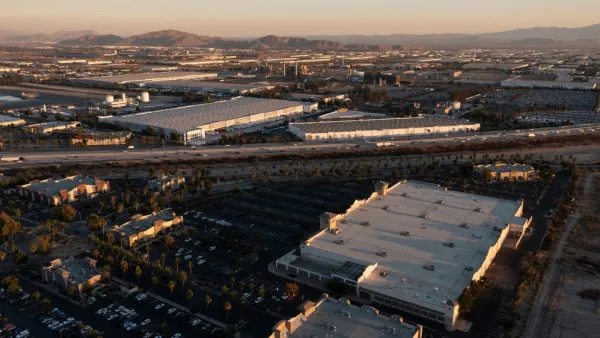
Communities Near Warehouses Unprotected by Outdated Zoning Codes
Today’s massive modern distribution centers have outsized impacts on adjacent neighborhoods. But outdated zoning codes often let them slip through the cracks with no environmental review.

Planetizen Federal Action Tracker
A weekly monitor of how Trump’s orders and actions are impacting planners and planning in America.

California plans to bury El Niño’s downpour
If the state plays its cards right, it may be able to store a billion acre-feet of El Niño’s water in aquifers.

Desperate measures: Advocates weigh draining Lake Powell to fill Colorado River
Draining the reservoir could reduce evaporation losses by a couple hundred thousand acre-feet.

Chicago voters approve permanent festival grounds, penalty for vacant property owners
Currently, major summer and fall festivals take over public parks for weeks at a time, drawing criticism from nearby residents

NYC votes to cut outdoor dining red tape, speed up permitting
New York City also voted to allow the Department of Transportation to begin work on urgent projects before notifying elected officials.

California appears to reject Prop. 45
The proposition would have expanded the projects that qualify for a streamlined environmental review, effectively paring down the California Environmental Quality Act.

FREE Course: Walkable City 1: Why Walkability?
After describing his path towards focusing on walkability as the essence of good planning, Jeff Speck marches through his five principal reasons for making more walkable places.
Reinventing Malls: Planning Alchemy—Turning Gray Fields Into Gold
The course focuses on the opportunities and imperatives that shape reinvention of mall sites.

City of Rosemead
Rutgers University, Edward J. Bloustein School of Planning and Public Policy
One Hundred Miles
Hunter College, City University of New York (CUNY)
The Architects Foundation
University of Cincinnati Online
City of Cambridge
Montrose County
The Pocatello Development Authority