Most of Arizona's arroyos fall into the relentlessly contested grey area created by the 1972 Clean Water Act.


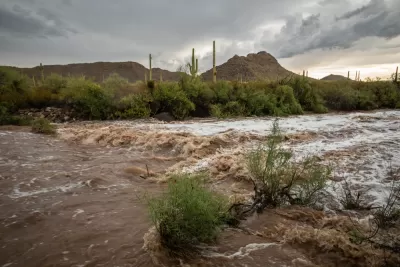
Arianna Brocius reports on the effects of the Trump administration's proposed changes to the Clean Water Act, as contained in a new Waters of the United States Rule.
The Trump administration's new Waters of the U.S. (WOTUS) rule will eliminate those so-called "ephemeral or intermittent" waterways from regulation under the Clean Water Act. The Arizona Department of Environmental Quality estimates that will reduce protection of state waterways, lakes and ponds by up to 93%.
The new rule rescinds protections put in place by a controversial rule implemented in the final years of the Obama administration. An article from September also details the effect of the proposed rule change on a development in Arizona that would add 28,000 homes southwest of Tucson.
FULL STORY: Proposed Clean Water Act changes will mean uncertainty, loss of protections for Arizona waterways

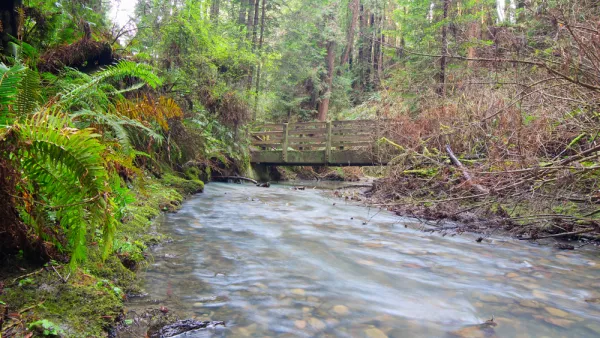
Judge Tosses Trump Administration's Rollback of 'Waters of the United States' Protections
The Trump administration's Navigable Waters Protection Rule was sloppy, and it would have done "serious environmental harm," according to a recent court ruling.

Trump Finally Comes for the 'Waters of the United States' Rule
The Trump administration is finally delivering on a promise to rescind the Waters of the United States act enacted during the Obama administration to expand the reach of the federal Clean Water Act.
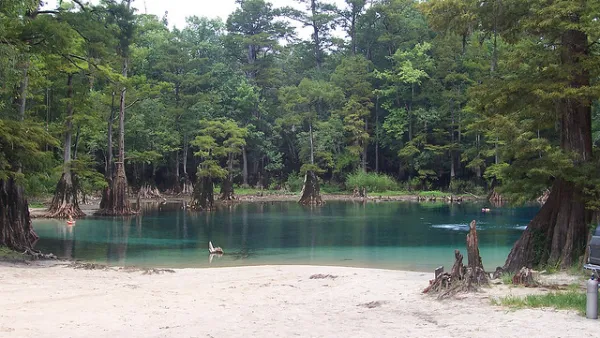
Trump Administration Rolls Back Clean Water Protections
Environmentalists worry that the latest action by the Trump administration on the environment will set a dangerous precedent that is difficult to overturn with a more conservative Supreme Court.

The state-sanctioned urbicide of Austin
People don’t kill cities. Freeways do.

US to reduce Colorado River water deliveries to Mexico
A new Colorado Treaty amendment reduces Mexico’s Colorado River water allocation by 250,000 acre feet.

New Jersey’s second-largest city bans standalone data centers
Jersey City will continue to allow co-location facilities, such as those meant for research institutions that store their own data.

Amtrak not solely to blame for New Jersey commuter rail's unreliability, report finds
A new study from the Garden State Initiative found that NJ Transit’s budget grew 20% across a 4 year period, but reliability declined significantly over the same period.

EPA erases limits on planet-warming pollution from power plants
Under Monday’s plan, power plants would still have some limits on how much mercury, arsenic and other contaminants they can emit.

Phoenix announces new on-demand transit service, more frequent RAPID buses
Both new services will launch in October, and are part of Phoenix's Project Effective Access Solutions for Easing Congestion.

FREE Course: Walkable City 1: Why Walkability?
After describing his path towards focusing on walkability as the essence of good planning, Jeff Speck marches through his five principal reasons for making more walkable places.
Reinventing Malls: Planning Alchemy—Turning Gray Fields Into Gold
The course focuses on the opportunities and imperatives that shape reinvention of mall sites.

Eagle County Government
Harvard University Graduate School of Design
Nashville Planning Department
The Architects Foundation
University of Cincinnati Online
The Pocatello Development Authority
The Urban Renewal Agency of the City of Pocatello
Journal of the American Planning Association