While the Central Valley city was long considered relatively affordable, rents are rising and affordable housing is harder to come by.


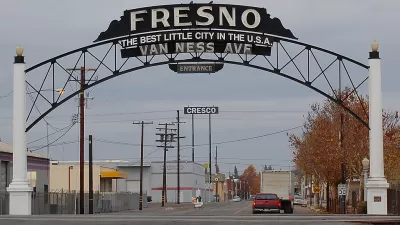
Laura Bliss writes about rising housing costs in Fresno, a city in California's Central Valley where housing can seem like a bargain compared to cities in other parts of the state. "For seekers with a decent paycheck, as well some retirees and remote workers fleeing higher housing costs elsewhere, Fresno is a welcoming market."
But, notes Bliss, Fresno has long struggled with affordable housing issues. The low median household income, high poverty rates, and wide income gaps mean that many renters are rent burdened. The influx of wealthier residents has housing advocates concerned about gentrification and displacement of people unable to keep up with increasing rents in a tightening housing market.
With more than 40,000 households on the county’s waiting list for subsidized housing and slow construction of affordable housing, no clear solutions are on the horizon. "From [resident Jeri] Alibrando’s perspective, a healthier local economy just seems to be pushing prices up, rather than putting more money in her pocket," writes Bliss.
FULL STORY: California’s Poorest Big City Faces a Different Kind of Housing Crisis

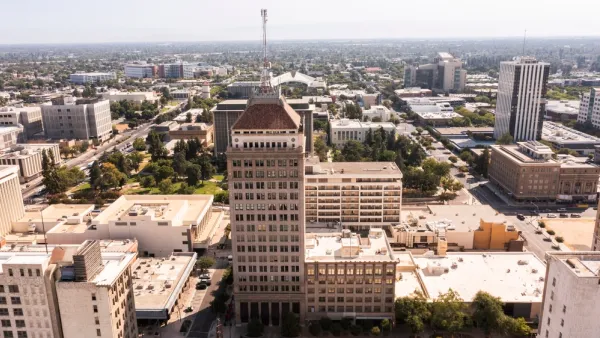
Mayor Releases ‘One Fresno Housing Strategy’
The document outlines 47 policies aimed at maintaining affordability and encouraging more housing production in the increasingly expensive Central Valley city.

Inequality Grows in Western Zoom Towns
As demand for housing grows, small Western towns are experiencing skyrocketing housing costs and rising displacement.
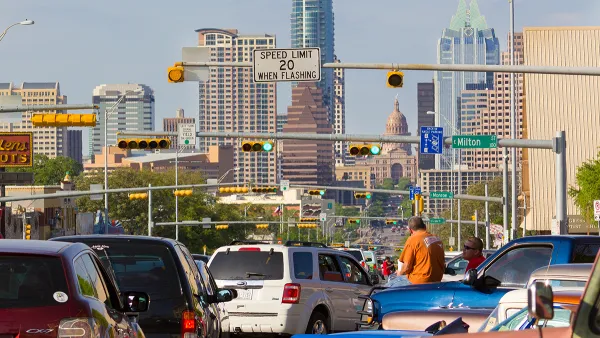
Austin Becoming Least Affordable City Outside California
The Texas capital, once one of the most affordable metro areas, is experiencing a housing affordability crisis as median prices soar and longtime residents face displacement.

Planetizen Federal Action Tracker
A weekly monitor of how Trump’s orders and actions are impacting planners and planning in America.

The state-sanctioned urbicide of Austin
People don’t kill cities. Freeways do.

US to reduce Colorado River water deliveries to Mexico
A new Colorado Treaty amendment reduces Mexico’s Colorado River water allocation by 250,000 acre feet.

LA Metro’s ultimatum: no extra buses for LA28 if federal funding isn’t imminently secured
If Metro does not provide additional buses, LA28 organizers will have to find a new way to manage Olympic traffic. LA28’s budget does not include a line item for transit.

Colorado’s Largest Data Center Could Rise Next to Homes — Without a Public Hearing
The proposed campus would consume 11 times the power of Denver International Airport; as it has across the country, opposition mounts.

5 New England states march closer to 800 megawatt wind energy project
Securing federal approval for the project may be complicated under the Trump administration, which has historically been hostile towards domestic wind power.

FREE Course: Walkable City 1: Why Walkability?
After describing his path towards focusing on walkability as the essence of good planning, Jeff Speck marches through his five principal reasons for making more walkable places.
Reinventing Malls: Planning Alchemy—Turning Gray Fields Into Gold
The course focuses on the opportunities and imperatives that shape reinvention of mall sites.


Eagle County Government
Harvard University Graduate School of Design
Nashville Planning Department
The Architects Foundation
University of Cincinnati Online
The Pocatello Development Authority
The Urban Renewal Agency of the City of Pocatello
Journal of the American Planning Association