There's still time for a leisurely bike ride alongside a large body of water. You might enjoy it, even if you've never thought of yourself as a bike person.


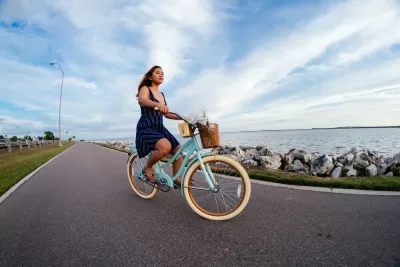
According to this article by Andrew Small, the Beach Cruiser—the familiar looking bike with fat tires, wide handlebars, and "[ca]ndy-colored retro-looking frames"—has an important role in the evolution of cycling.
That particular kind of bicycle is known as a “beach cruiser.” While it looks like a nostalgic holdover from the Eisenhower era, the bikes that ramble along boardwalks of America’s beach towns were born in mid-1970s. And, as Marketplace chronicled a few years back, they found their way to the beach thanks to the efforts of one man.
According to the history recounted here, beach cruisers entered the bicycle market at a time when a lot of people only had two options, depending on age: BMX bikes for kids and street racers for adults.
After retelling the story of the beach cruisers rise into its own niche in the bike industry, with multiple companies manufacturing their own versions of the bike, Small notes the numerous waterfront communities around the country that could benefit from widespread adoption of the beach cruiser, and many potential bike riders who could benefit from an introduction to bikes in a relaxed, beachfront environment.
Read the full story: How the California Beach Cruiser Started a (Very Slow) Bike Revolution

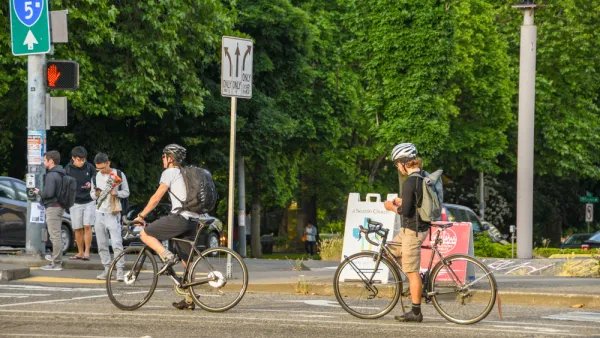
Starting Today: The Idaho Stop Is Legal in Washington State
A law passed in March allowing people on bikes to treat stop signs as yield signs when conditions permit takes effect today in Washington State.
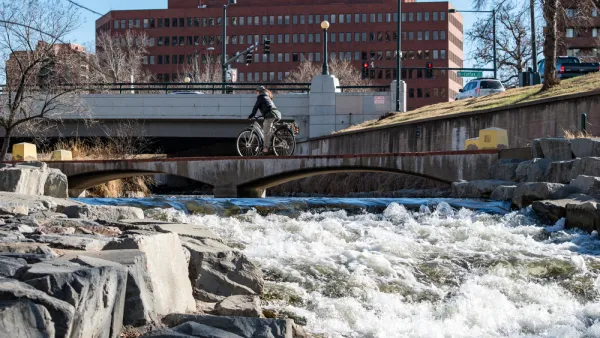
Bike Thefts Increase as More People Take to Two Wheels
The city of Denver has reported a spike in bike thefts in 2020, with a big increase in thefts occurring April and May.
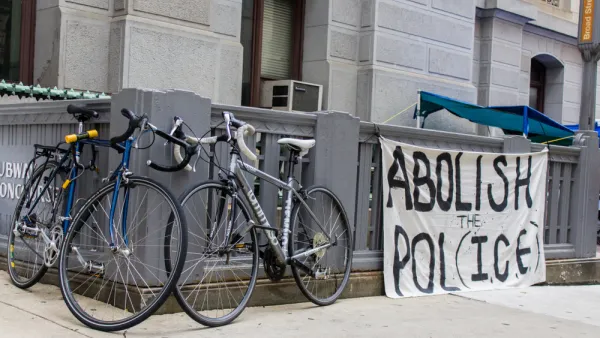
The Bike as a Symbol of Freedom
It's no geographic accident that so many of the images emerging from nationwide protests have featured numerous protestors on bikes. These forces have been coalescing for years.

Planetizen Federal Action Tracker
A weekly monitor of how Trump’s orders and actions are impacting planners and planning in America.

The state-sanctioned urbicide of Austin
People don’t kill cities. Freeways do.

US to reduce Colorado River water deliveries to Mexico
A new Colorado Treaty amendment reduces Mexico’s Colorado River water allocation by 250,000 acre feet.

Nation's most wind-powered state turns to coal as data centers increase energy demand
For the first time in decades, Iowa has increased its generation of coal power.

NYC cools commuters with city's first rain garden above a bus stop
New York City officials say the plants in the rain garden can absorb 16 gallons of rainwater during heavy storms.

Brightline West’s future may rely on $6 billion federal loan
The company has until Nov. 2 to make a $400 million equity investment into its proposed high-speed rail line.

FREE Course: Walkable City 1: Why Walkability?
After describing his path towards focusing on walkability as the essence of good planning, Jeff Speck marches through his five principal reasons for making more walkable places.
Reinventing Malls: Planning Alchemy—Turning Gray Fields Into Gold
The course focuses on the opportunities and imperatives that shape reinvention of mall sites.

Greater Baltimore Committee
Eagle County Government
Harvard University Graduate School of Design
The Architects Foundation
University of Cincinnati Online
The Pocatello Development Authority
The Urban Renewal Agency of the City of Pocatello
Journal of the American Planning Association