For four years, the city has worked to make public projects compliant with the Americans with Disabilities Act. Rather than granting an extension, the Department of Justice says it is closing the case.


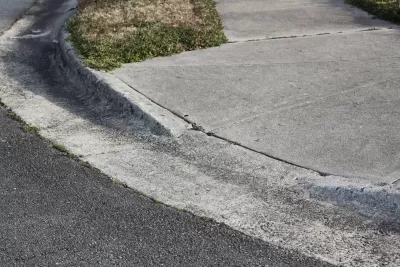
Cedar Rapids, Iowa, was one of 200 cities the Department of Justice targeted as part of Project Civic Access, an initiative to ensure that public facilities and projects complied with the Americans with Disabilities Act. The city had a four-year agreement starting in 2015 to make the changes, but ADA upgrades were taking longer and costing more than anticipated and officials had requested a three-year extension.
"While many projects have been completed — more than 1,800 curb ramps; updates to 24 parks and recreation sites including Ushers Ferry, Old MacDonald’s Farm and Tait Cummins Sports Complex; and improved access to skywalks and Veterans Memorial Stadium — more work remains," reports B.A. Morelli.
The DOJ, however, says it has reviewed evidence of the work submitted by the city and is closing the case. Cedar Rapids officials say the city will continue to complete the projects outlined in the agreement. But some local advocates are concerned that access will become less of a priority for the city without the agreement in place.
FULL STORY: Feds give Cedar Rapids the all-clear on ADA compliance

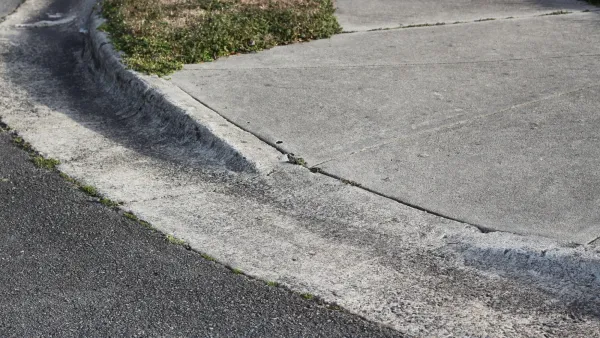
ADA Compliance Delayed in Cedar Rapids
Cedar Rapids, Iowa, is part of Project Civic Access, a federal initiative to make public facilities accessible. Making the changes necessary for compliance has been challenging for the city.

The Tough Legal Path to ADA Compliance
Next City examines the fruits of a Department of Justice effort to force cities to bring their sidewalks and other public spaces into compliance with the Americans with Disabilities Act.
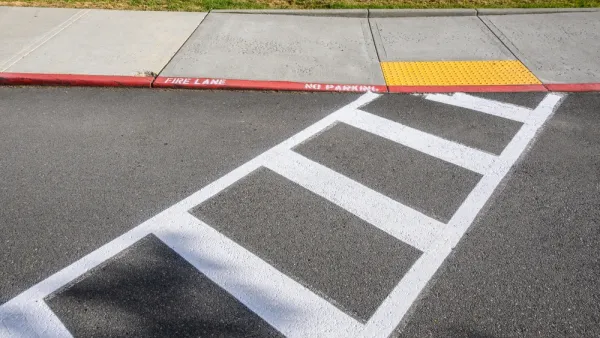
Following Lawsuit, Philadelphia to Add or Fix 10,000 Curb Cuts
Disability rights advocates won a settlement that directs the city to improve accessibility on its public roads over the next 15 years.

The state-sanctioned urbicide of Austin
People don’t kill cities. Freeways do.

US to reduce Colorado River water deliveries to Mexico
A new Colorado Treaty amendment reduces Mexico’s Colorado River water allocation by 250,000 acre feet.

New Jersey’s second-largest city bans standalone data centers
Jersey City will continue to allow co-location facilities, such as those meant for research institutions that store their own data.

Amtrak not solely to blame for New Jersey commuter rail's unreliability, report finds
A new study from the Garden State Initiative found that NJ Transit’s budget grew 20% across a 4 year period, but reliability declined significantly over the same period.

EPA erases limits on planet-warming pollution from power plants
Under Monday’s plan, power plants would still have some limits on how much mercury, arsenic and other contaminants they can emit.

Phoenix announces new on-demand transit service, more frequent RAPID buses
Both new services will launch in October, and are part of Phoenix's Project Effective Access Solutions for Easing Congestion.

FREE Course: Walkable City 1: Why Walkability?
After describing his path towards focusing on walkability as the essence of good planning, Jeff Speck marches through his five principal reasons for making more walkable places.
Reinventing Malls: Planning Alchemy—Turning Gray Fields Into Gold
The course focuses on the opportunities and imperatives that shape reinvention of mall sites.

Eagle County Government
Harvard University Graduate School of Design
Nashville Planning Department
The Architects Foundation
University of Cincinnati Online
The Pocatello Development Authority
The Urban Renewal Agency of the City of Pocatello
Journal of the American Planning Association