The decision about where to locate a new casino project depends on competing goals—to maximize revenues or bring jobs and development to neighborhoods that need them.


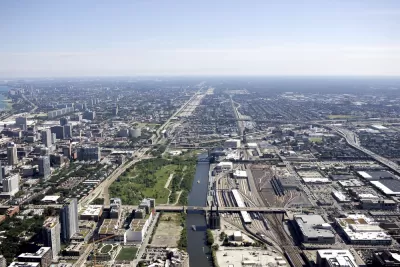
"A Chicago casino gives Mayor Lori Lightfoot her first chance to shepherd a major construction and economic development project from start to finish, but she faces a tough choice: Make a safe bet by putting the gambling venue near the Loop or roll the dice on an area that needs jobs and tourist dollars," report Ryan Ori and Blair Kamin.
Potential sites closer to downtown, such as the former Michael Reese Hospital site, would be easier to access and the result would likely be more tax revenue raised to help tackle city and state fiscal woes. But a casino in another part of the city, including several locations on the city's South Side, could transform an area, write Ori and Kamin.
"A less-discussed, long-shot location sits across the Dan Ryan Expressway from the White Sox’s Guaranteed Rate Field: Formerly home to the crime-ridden high-rises of Stateway Gardens and the Robert Taylor Homes, it remains mostly vacant but is accessible from the Ryan, the CTA’s Red and Green lines and Metra Rock Island trains."
The location of the casino relative to the Loop is one issue, but Ori and Kamin point out that other concerns—such as existing infrastructure, the amount of land needed for the project, and competing development plans—will also factor into the final decision.

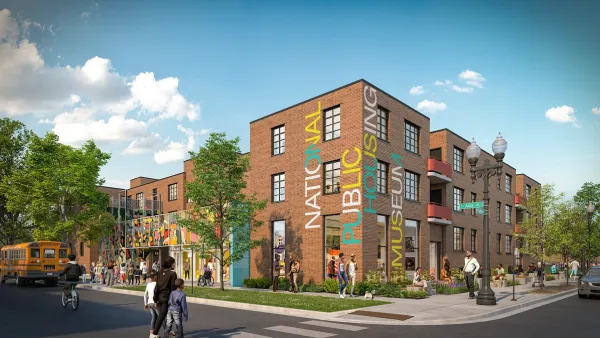
Museum of Public Housing Opens in Chicago
The museum highlights the history of public housing in the United States using displays intimately woven with family artifacts.
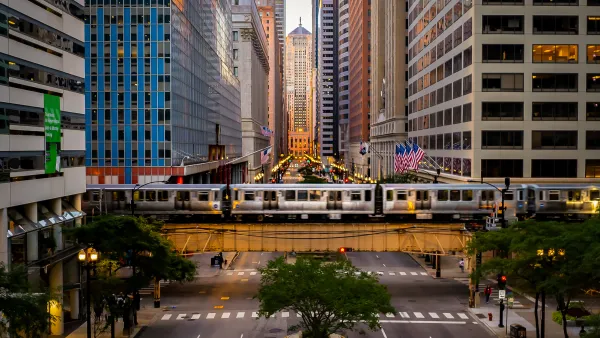
Chicago to Turn High-Rise Offices into Housing
Four commercial buildings in the Chicago Loop have been approved for redevelopment into housing in a bid to revitalize the city’s downtown post-pandemic.

‘We Will Chicago’ Plan Adopted in the Windy City
Chicago has its first “comprehensive plan” since the 1960s, but without a land use map, the “We Will Chicago” plan is devoted more to laying out the issues and challenges facing the city than setting new policies.

Planetizen Federal Action Tracker
A weekly monitor of how Trump’s orders and actions are impacting planners and planning in America.

The state-sanctioned urbicide of Austin
People don’t kill cities. Freeways do.

US to reduce Colorado River water deliveries to Mexico
A new Colorado Treaty amendment reduces Mexico’s Colorado River water allocation by 250,000 acre feet.

5 New England states march closer to 800 megawatt wind energy project
Securing federal approval for the project may be complicated under the Trump administration, which has historically been hostile towards domestic wind power.

Baltimore to break ground on $50 million Transit Priority Project
The project will bring faster bus trips, safer streets and better bike connections to Baltimore.

Airbnb launches $250 million 'last-dollar financing' housing accelerator, makes first investment in Austin
The company will put $6.4 million towards affordable housing development in Texas’ capital.

FREE Course: Walkable City 1: Why Walkability?
After describing his path towards focusing on walkability as the essence of good planning, Jeff Speck marches through his five principal reasons for making more walkable places.
Reinventing Malls: Planning Alchemy—Turning Gray Fields Into Gold
The course focuses on the opportunities and imperatives that shape reinvention of mall sites.

Eagle County Government
Harvard University Graduate School of Design
Nashville Planning Department
The Architects Foundation
University of Cincinnati Online
The Pocatello Development Authority
The Urban Renewal Agency of the City of Pocatello
Journal of the American Planning Association