Miami doesn’t get as much attention as cities like New York City and San Francisco for the cost of housing, but 61 percent of renters in the city are cost-burdened, and 71 percent of the city's residents are residents.


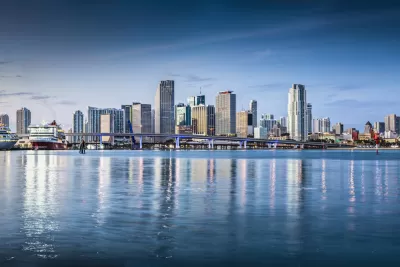
The recently released Connect Capital Miami report, written by Miami Homes for All and the city of Miami, which targets 50,000 housing units to meet existing demand in the city and 12,000 new affordable units by 2024.
Katie Pyzyk shares news of the new report, noting that the city is the third least affordable city in the country, after getting hit hard by the Great Recession and due to the effects of a unique housing market that includes a lot of foreign investment.
"The number of investment properties sitting vacant is a problem in Miami because it drastically cuts into the available housing supply. The report states that as of 2017, nearly 32,000 homes in Miami-Dade County were owned but not occupied," according to Pyzyk.
FULL STORY: Report: Miami needs 50K housing units to meet existing demand

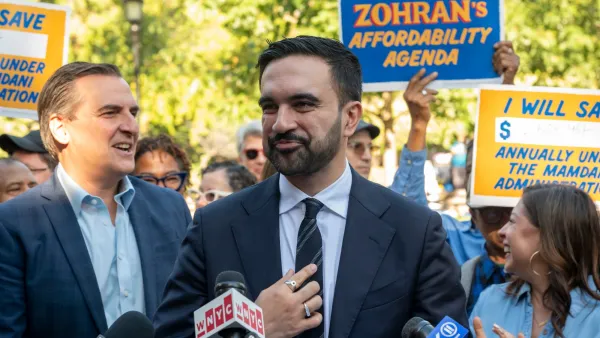
NYC Mayor Mamdani Backs Down on Expanded Rental Assistance Program, Citing $7 Billion Deficit
The new mayor had promised to expand the CityFHEPS rent assistance program to an additional 47,000 households.
Over 40 Percent of U.S. Tenants Are ‘Rent Burdened’
Despite a small downturn in average rents at the end of last year, American renter households continue to struggle with unaffordable housing costs.
Are We in a Housing Bubble?
As the pandemic shifts housing priorities and costs continue to soar, experts assess the potential for a crash similar to 2008's Great Recession.

Planetizen Federal Action Tracker
A weekly monitor of how Trump’s orders and actions are impacting planners and planning in America.

The state-sanctioned urbicide of Austin
People don’t kill cities. Freeways do.

US to reduce Colorado River water deliveries to Mexico
A new Colorado Treaty amendment reduces Mexico’s Colorado River water allocation by 250,000 acre feet.

Guerilla urbanists are building DIY bus stop benches in Chicago
A before-and-after of one of the bus stops with a new bench. The new benches are not officially sanctioned or permitted, but the residents who placed them hope they will be the start of a network of DIY benches across the city.

Mamdani overhauls NYC's Vision Zero plan with 100 new policy goals
The overhaul aims to reduce traffic deaths and make streets safer for pedestrians, cyclists and drivers through lower speed limits, new safety infrastructure and more.

Amtrak not solely to blame for New Jersey commuter rail's unreliability, report finds
A new study from the Garden State Initiative found that NJ Transit’s budget grew 20% across a 4 year period, but reliability declined significantly over the same period.

FREE Course: Walkable City 1: Why Walkability?
After describing his path towards focusing on walkability as the essence of good planning, Jeff Speck marches through his five principal reasons for making more walkable places.
Reinventing Malls: Planning Alchemy—Turning Gray Fields Into Gold
The course focuses on the opportunities and imperatives that shape reinvention of mall sites.

Eagle County Government
Harvard University Graduate School of Design
Nashville Planning Department
The Architects Foundation
University of Cincinnati Online
The Pocatello Development Authority
The Urban Renewal Agency of the City of Pocatello
Journal of the American Planning Association