The city of New York's massive Zoning Resolution, the legal instrument that regulates land use and building size, shape, height, and setback, is now available on a contemporary web platform.



From a NYC Planning press release:
Department of City Planning (DCP) Director Marisa Lago today announced the release of the City’s new online Zoning Resolution. The free digital platform makes New York City’s official Zoning Resolution – the City’s text for land use and development – instantly accessible to New Yorkers.
More on the benefits of the new platform:
The flexible digital platform serves as a green replacement for the physical copy of the Zoning Resolution. It offers keyword searches and easy navigation of what was, until now, available only in hardcopy. The document will no longer be printed, saving money, increasing government transparency and helping to fight climate change.
The Zoning Resolution was previously available in PDF format and on paper. The paper version totaled 1,570 pages and cost $750 to acquire.
FULL STORY: Zoning Transparency: Department of City Planning Launches Digital Zoning Resolution

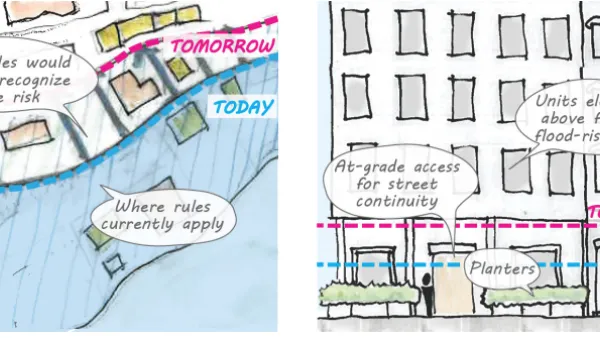
'Zoning for Coastal Flood Resiliency' Wins Planning Commission Approval in NYC
Emergency responses to Hurricane Sandy have turned into long-term lessons in New York City, as the nation's largest city crafts a response to sea-level rise and extreme weather by making changes to the zoning code of coastal areas.
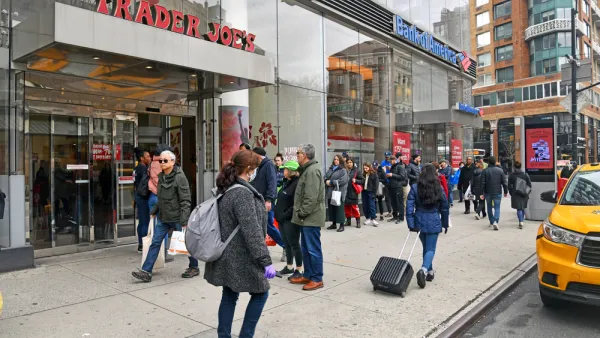
New Zoning Incentives for Grocery Store Developments Proposed in New York City
Transit accessibility incentives are also included in a package of zoning reforms proposed this week that would provide incentives for grocery store developments in a wider swath of New York City.

‘City of Yes’ Zoning Initiative Announced to Support Business and Housing Opportunities in NYC
New York City’s new mayor, Eric Adams, has announced a new signature zoning initiative.

Planetizen Federal Action Tracker
A weekly monitor of how Trump’s orders and actions are impacting planners and planning in America.

The state-sanctioned urbicide of Austin
People don’t kill cities. Freeways do.

US to reduce Colorado River water deliveries to Mexico
A new Colorado Treaty amendment reduces Mexico’s Colorado River water allocation by 250,000 acre feet.

5 New England states march closer to 800 megawatt wind energy project
Securing federal approval for the project may be complicated under the Trump administration, which has historically been hostile towards domestic wind power.

Baltimore to break ground on $50 million Transit Priority Project
The project will bring faster bus trips, safer streets and better bike connections to Baltimore.

Airbnb launches $250 million 'last-dollar financing' housing accelerator, makes first investment in Austin
The company will put $6.4 million towards affordable housing development in Texas’ capital.

FREE Course: Walkable City 1: Why Walkability?
After describing his path towards focusing on walkability as the essence of good planning, Jeff Speck marches through his five principal reasons for making more walkable places.
Reinventing Malls: Planning Alchemy—Turning Gray Fields Into Gold
The course focuses on the opportunities and imperatives that shape reinvention of mall sites.

Eagle County Government
Harvard University Graduate School of Design
Nashville Planning Department
The Architects Foundation
University of Cincinnati Online
The Pocatello Development Authority
The Urban Renewal Agency of the City of Pocatello
Journal of the American Planning Association