Students at the University of California, Los Angeles are using ride-hailing companies to get between classes on campuses. The effect is far from the congestion and emissions reducing idea many hoped for from companies like Uber and Lyft.


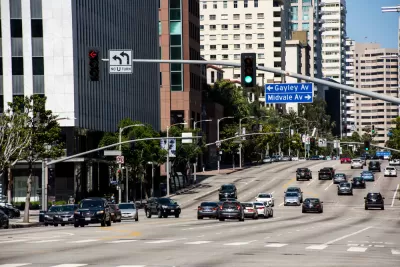
"UCLA students call about 11,000 Uber and Lyft rides that never leave campus every week," reports Manya Kidambi. The trip choice of the students "[raise] concerns about the environmental impact of unnecessary trips."
UCLA Transportation gathered the data to produce the startling findings. Yifang Zhu, associate director of the Center for Clean Air and a professor on campus, is quoted in the article saying that these short trips produce a large amount of carbon emissions.
CJ Macklin, a Lyft spokesperson, is also quoted in the article, saying the company offsets carbon emissions generated by trips with the company. Still, emissions result from drivers waiting to pick up riders or circling while waiting for a new trip.
FULL STORY: Popularity of brief Uber, Lyft rides on campus raises environmental concerns

Report: Ride-Hailing Drastically Increases Vehicle Miles Traveled
New research published in Transport Policy finds that ride-hailing companies increase vehicle miles traveled of users by 97 percent in Chicago, 114 percent in New York City, and 118 percent in San Francisco.
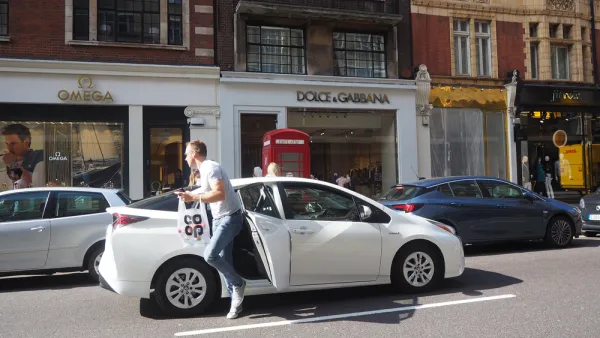
Ride-Hailing Companies Greatly Increase Pollution, Study Says
The reality of ride hailing has fallen well short of the wishful thinking about reduced congestion and reduced pollution that defined the early days of Uber and Lyft.
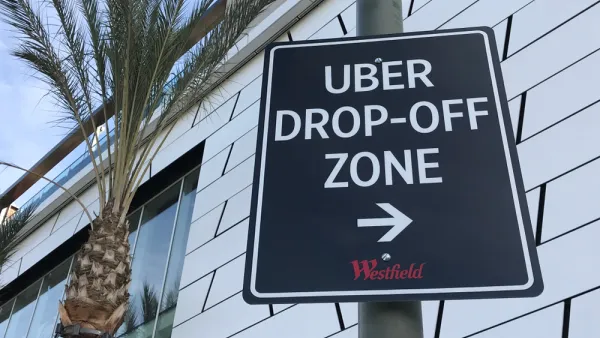
Ride-Hailing Fee on the Table in Los Angeles
The Los Angeles County Metropolitan Transportation Authority will decide this week whether or not to proceed with separate studies of two ideas that would generate transportation funding from car trips and potentially influence driver behavior.

Planetizen Federal Action Tracker
A weekly monitor of how Trump’s orders and actions are impacting planners and planning in America.

The state-sanctioned urbicide of Austin
People don’t kill cities. Freeways do.

US to reduce Colorado River water deliveries to Mexico
A new Colorado Treaty amendment reduces Mexico’s Colorado River water allocation by 250,000 acre feet.

Baltimore to break ground on $50 million Transit Priority Project
The project will bring faster bus trips, safer streets and better bike connections to Baltimore.

Airbnb launches $250 million 'last-dollar financing' housing accelerator, makes first investment in Austin
The company will put $6.4 million towards affordable housing development in Texas’ capital.

Guerilla urbanists are building DIY bus stop benches in Chicago
A before-and-after of one of the bus stops with a new bench. The new benches are not officially sanctioned or permitted, but the residents who placed them hope they will be the start of a network of DIY benches across the city.

FREE Course: Walkable City 1: Why Walkability?
After describing his path towards focusing on walkability as the essence of good planning, Jeff Speck marches through his five principal reasons for making more walkable places.
Reinventing Malls: Planning Alchemy—Turning Gray Fields Into Gold
The course focuses on the opportunities and imperatives that shape reinvention of mall sites.

Eagle County Government
Harvard University Graduate School of Design
Nashville Planning Department
The Architects Foundation
University of Cincinnati Online
The Pocatello Development Authority
The Urban Renewal Agency of the City of Pocatello
Journal of the American Planning Association