Capital Metro is growing a new generation of public transit riders.


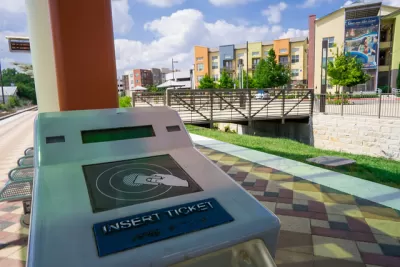
Ryan Thornton reports from Austin, where Capital Metro has decided to make public transit free to all children under the age 19.
A Kids Ride Free pilot program this summer was part of a larger effort to attract riders with late-night weekend rail service and free rides for students in grades K-12. When the summer program expired in late September, Capital Metro pushed the expiration date for free student fares back to Dec. 10, with some discussion about adopting the fare structure when the pilot ended. On Wednesday afternoon, by a unanimous vote from the agency’s board of directors, fares for K-12 students and MetroAccess riders under the age of 19 were permanently eliminated on all Capital Metro services.
According to Thornton, Capital Metro added 120,000 new service hours over the summer, but instead of raising fares to cover costs, system officials has decided instead that a new generation of riders is most valuable to the long term viability of the system's ridership.
FULL STORY: Capital Metro votes kids ride free, forever

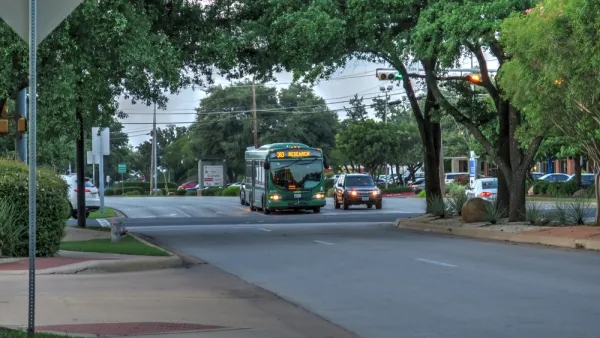
Bus System Redesign Boosts Ridership in Austin
Over a year after Capital Metro in Austin overhauled its bus system design, the system is bucking national trends and achieving growth in its ridership numbers.
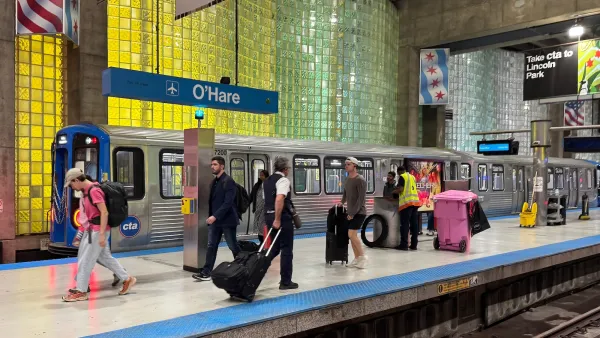
CTA underestimated Chicago transit ridership by 19 million trips
The agency is moving from using farebox data and manual video reviews to automatic counters that more accurately measure the total number of riders, whether or not they pay full fares.
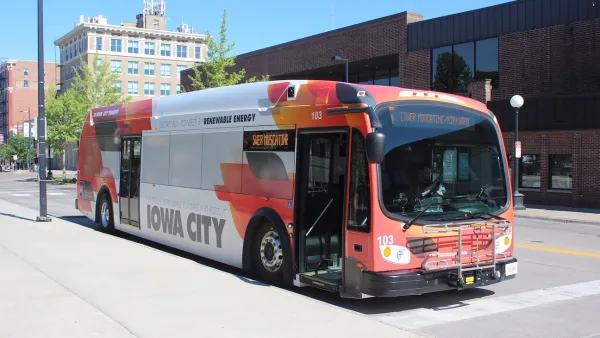
Iowa City's free bus program made ridership spike by 68%. Now, it could go away.
The bus system gained roughly 700,000 new riders since it launched free service in 2023.

Planetizen Federal Action Tracker
A weekly monitor of how Trump’s orders and actions are impacting planners and planning in America.

The state-sanctioned urbicide of Austin
People don’t kill cities. Freeways do.

US to reduce Colorado River water deliveries to Mexico
A new Colorado Treaty amendment reduces Mexico’s Colorado River water allocation by 250,000 acre feet.

LA Metro’s ultimatum: no extra buses for LA28 if federal funding isn’t imminently secured
If Metro does not provide additional buses, LA28 organizers will have to find a new way to manage Olympic traffic. LA28’s budget does not include a line item for transit.

Colorado’s Largest Data Center Could Rise Next to Homes — Without a Public Hearing
The proposed campus would consume 11 times the power of Denver International Airport; as it has across the country, opposition mounts.

5 New England states march closer to 800 megawatt wind energy project
Securing federal approval for the project may be complicated under the Trump administration, which has historically been hostile towards domestic wind power.

FREE Course: Walkable City 1: Why Walkability?
After describing his path towards focusing on walkability as the essence of good planning, Jeff Speck marches through his five principal reasons for making more walkable places.
Reinventing Malls: Planning Alchemy—Turning Gray Fields Into Gold
The course focuses on the opportunities and imperatives that shape reinvention of mall sites.

Eagle County Government
Harvard University Graduate School of Design
Nashville Planning Department
The Architects Foundation
University of Cincinnati Online
The Pocatello Development Authority
The Urban Renewal Agency of the City of Pocatello
Journal of the American Planning Association