Suburban poverty is reading, here are a few ways to understand what that means.


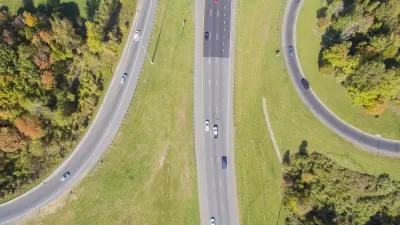
Lisa Schamess shares news of the new "Combating the Suburbanization of Poverty Report" [pdf], published by the Congress for the New Urbanism (CNU), in partnership with King County GreenTools and the Bullitt Foundation.
To showcase some of the information included in the report, Schamess shares four notable facts about suburban poverty:
- Poverty is growing faster in suburbs than in cities.
- The number of suburban residents in poverty is increasing in most regions.
- The distance and hidden costs of transportation hit impoverished residents hardest.
- Spatial mismatch, where jobs and housing are spread far apart and not served well by transit, creates a "poverty trap" in the suburbs.
Schamess also ties the report's information and recommendations to the realities and challenges of King County, Washington.
For more information on the report, see another article written by Schamess for CNU.
Read the full story: Four facts about suburban poverty
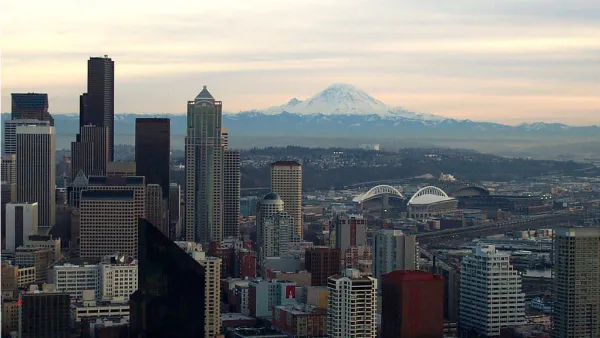
CNU Report Combats Suburban Poverty
The Puget Sound region provides a case study for the spread of poverty to suburban areas, and some region-specific recommendations for how to combat the challenges that result.
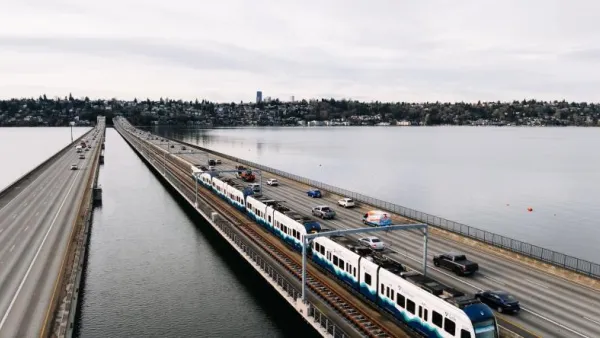
Seattle’s Floating Light Rail Bridge to Open March 28
The new East Link segment of King County’s light rail system crosses Lake Washington on a first-of-its-kind floating bridge.
King County Supportive Housing Program Offers Hope for Unhoused Residents
The county is taking a ‘Housing First’ approach that prioritizes getting people into housing, then offering wraparound supportive services.

Planetizen Federal Action Tracker
A weekly monitor of how Trump’s orders and actions are impacting planners and planning in America.

California plans to bury El Niño’s downpour
If the state plays its cards right, it may be able to store a billion acre-feet of El Niño’s water in aquifers.

Desperate measures: Advocates weigh draining Lake Powell to fill Colorado River
Draining the reservoir could reduce evaporation losses by a couple hundred thousand acre-feet.

Housing is the top priority of Seattle’s sole new councilmember
Jenks campaigned on building 1,000 new units of affordable housing.

New tax cuts may slash $1.5 billion in funding for Miami transit, public parks
Amendment 3 will save Miami-Dade homeowners $2,700 in 2028.

Arizona, Wisconsin, Pennsylvania hope to finally advance climate goals post-midterms
The three states have spent years under Republican or divided control.

FREE Course: Walkable City 1: Why Walkability?
After describing his path towards focusing on walkability as the essence of good planning, Jeff Speck marches through his five principal reasons for making more walkable places.
Reinventing Malls: Planning Alchemy—Turning Gray Fields Into Gold
The course focuses on the opportunities and imperatives that shape reinvention of mall sites.

City of Rosemead
Rutgers University, Edward J. Bloustein School of Planning and Public Policy
One Hundred Miles
University of Michigan School for Environment and Sustainability (SEAS)
Hunter College, City University of New York (CUNY)
The Architects Foundation
City of Cambridge
Montrose County
The Pocatello Development Authority