Boston's housing goals were set in 2014, but had to be revised as the city's population growth exceeds previous estimates.


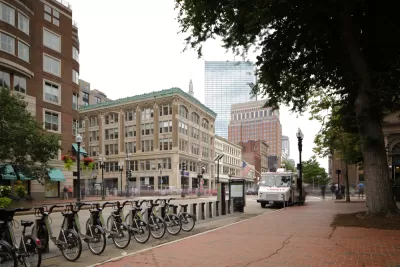
The office of Boston Mayor Marty Walsh's released a revised version of the "Housing A Changing City: Boston 2030" [pdf] report this week, increasing the goal for housing creation to keep pace with a growing population.
When released originally in 2014, the report targeted 53,000 units by 2030, reports Lynn Jolicoeur, but the revised report increases the goal to 69,000 units. The goal reflects the city's commitment to keeping one-fifth of all housing units in the city deed-restricted as affordable housing.
"City leaders say almost 18,000 new units have already been completed and close to 9,500 more have begun construction since the original goal was set, outpacing that goal," according to Jolicoeur.
Still, some city officials say this plan reflects what the city can do, not what it must do to keep pace with the need.
"It's very expensive to build affordable housing. So while we're putting a lot of money in those projects — and we want to do even more — we actually do need the federal government to give us what they used to, and then we could create even more affordable housing," Chief of Housing and Director of Neighborhood Development Sheila Dillon is quoted saying in the article.
FULL STORY: Boston Ups Its Target For New Housing Creation To Keep Pace With Population Growth

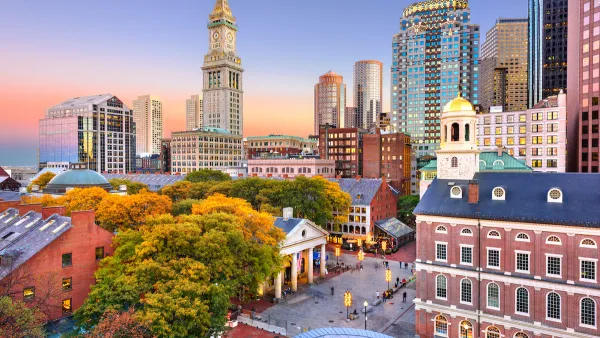
Boston’s Fair Housing Policy Shows Promise
The city was the first to tie fair housing requirements to zoning reform.
Boston Mayor's Proposal Would Allow More Increases in City Linkage Fees
Developers pay impact fees to fund affordable housing and job programs, but the mayor wants the city to have more discretion around changing the requirements.
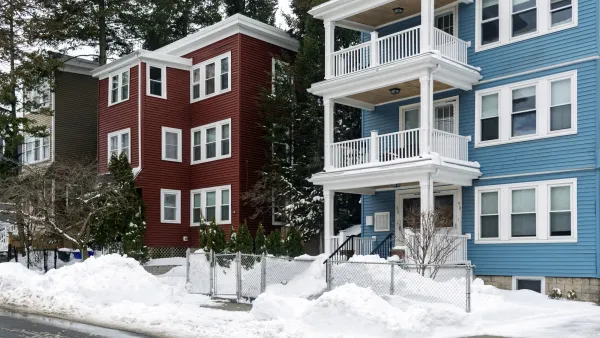
Boston's 'sliver lots' could yield over 1,500 affordable homes
The city has identified over 500 vacant parcels suitable for infill housing.

Planetizen Federal Action Tracker
A weekly monitor of how Trump’s orders and actions are impacting planners and planning in America.

The state-sanctioned urbicide of Austin
People don’t kill cities. Freeways do.

US to reduce Colorado River water deliveries to Mexico
A new Colorado Treaty amendment reduces Mexico’s Colorado River water allocation by 250,000 acre feet.

Amtrak not solely to blame for New Jersey commuter rail's unreliability, report finds
A new study from the Garden State initiative found that NJ Transit’s budget grew 20% across a 4 year period, but reliability declined significantly over the same period.

EPA erases limits on planet-warming pollution from power plants
Under Monday’s plan, power plants would still have some limits on how much mercury, arsenic and other contaminants they can emit.

Phoenix announces new on-demand transit service, more frequent RAPID buses
Both new services will launch in October, and are part of Phoenix's Project Effective Access Solutions for Easing Congestion.

FREE Course: Walkable City 1: Why Walkability?
After describing his path towards focusing on walkability as the essence of good planning, Jeff Speck marches through his five principal reasons for making more walkable places.
Reinventing Malls: Planning Alchemy—Turning Gray Fields Into Gold
The course focuses on the opportunities and imperatives that shape reinvention of mall sites.

Eagle County Government
Harvard University Graduate School of Design
Nashville Planning Department
The Architects Foundation
University of Cincinnati Online
The Pocatello Development Authority
The Urban Renewal Agency of the City of Pocatello
Journal of the American Planning Association