A reminder of the intended purpose of environmental law.


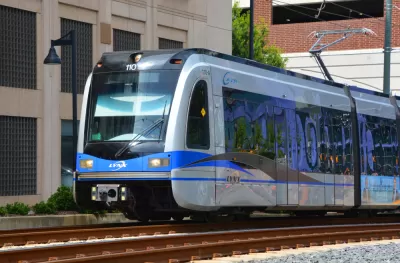
[Updated: April 22, 2019] A new issue brief from the Center for American Progress examines the environmental impact statement (EIS) of the Charlotte Area Transit System (CATS) Blue Line light rail extension "to demonstrate how [the National Environmental Policy Act (NEPA)] strengthens infrastructure projects, as well as how federal environmental, civil rights, and historic preservation statutes guide the content of the review."
Kevin DeGood writes an article to introduce the issue brief, first recounting the story of an attack by President Donald Trump on the effect of NEPA for infrastructure developments. Here's DeGood's defense of NEPA, and the premise for the brief:
Missing from this threadbare caricature of Washington run amok is any recognition that federal environmental review exists as a response to a past littered with projects that were not studied in advance and thereby caused substantial social, environmental, and even economic harms. After all, infrastructure facilities are not an unalloyed good: They bring both benefits and burdens. A highway or rail line that connects people to opportunity may also tear up neighborhoods; degrade wetlands and rivers; destroy wildlife habitat; and generate air pollution, disruptive noise, and damaging vibrations, among other impacts.
Read the full story: The Importance of NEPA Review for Infrastructure Projects

Supreme Court Ruling in Oil Railway Case Guts Federal Environmental Law
The decision limits the scope of a federal law that mandates extensive environmental impact reviews of energy, infrastructure, and transportation projects.

Trump Signs Two Executive Orders Limiting States' Authority Over Energy Pipelines
The Trump administration's "energy dominance" agenda depends, in part, on growing the energy distribution network, namely pipelines, rail facilities, and ports. However, states can use the Clean Water Act to block pipelines and coal terminals.
Drilling, seismic surveys in Alaska would require no environmental review under new Trump proposal
Seismic surveys can scar tundra and disturb wildlife, including female polar bears, and drilling has been known to alter caribou behavior and Arctic migration patterns.

Planetizen Federal Action Tracker
A weekly monitor of how Trump’s orders and actions are impacting planners and planning in America.

The state-sanctioned urbicide of Austin
People don’t kill cities. Freeways do.
Colorado’s Largest Data Center Could Rise Next to Homes — Without a Public Hearing
The proposed campus would consume 11 times the power of Denver International Airport; as it has across the country, opposition mounts.
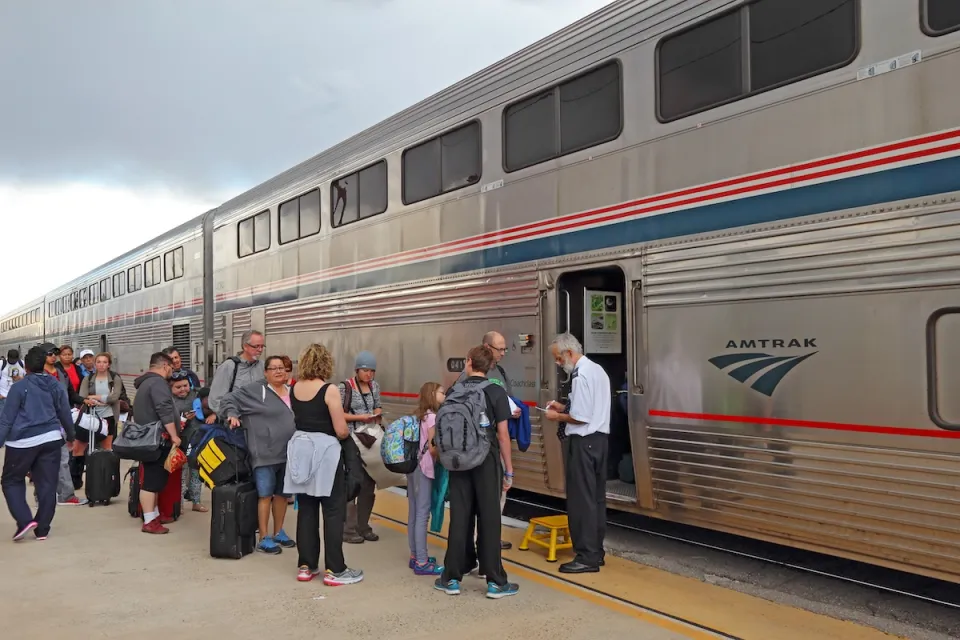
Amtrak, CN end decades-long dispute with eight-year agreement
The new operating agreement establishes an updated framework for the companies to work together, including processes to resolve disputes.
Raised interest rates may kill financially vulnerable construction projects
The chief economist at ConstructConnect warns that if construction project owners are negatively impacted by the raised rates, it could result in delayed payments to contractors.
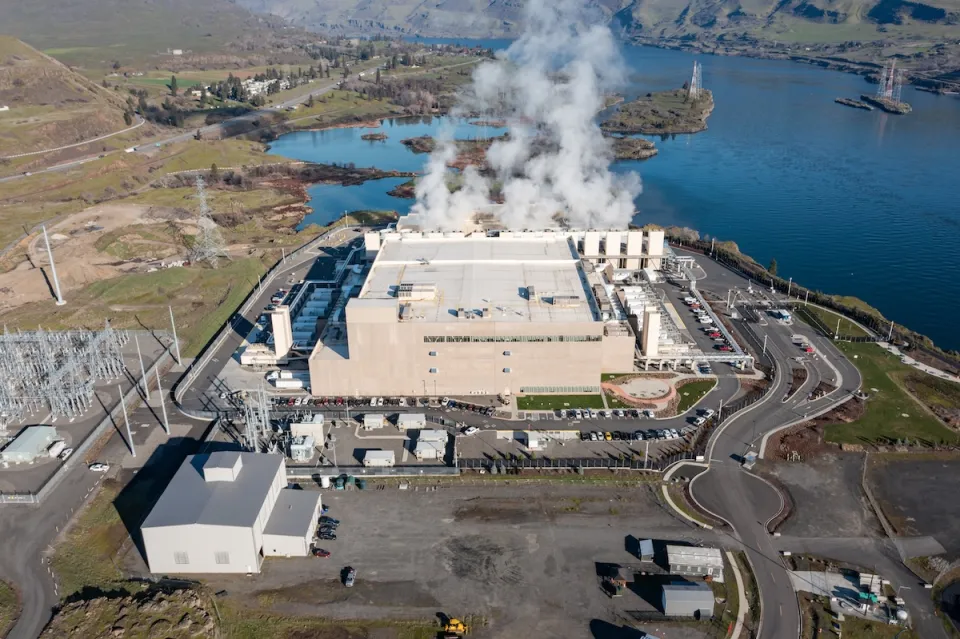
Data centers are consuming nearly 25% of Oregon’s power
The state has 111 data centers, with 32 more either planned or under construction.

FREE Course: Walkable City 1: Why Walkability?
After describing his path towards focusing on walkability as the essence of good planning, Jeff Speck marches through his five principal reasons for making more walkable places.
Reinventing Malls: Planning Alchemy—Turning Gray Fields Into Gold
The course focuses on the opportunities and imperatives that shape reinvention of mall sites.

Greater Baltimore Committee
Eagle County Government
Harvard University Graduate School of Design
The Architects Foundation
University of Cincinnati Online
The Pocatello Development Authority
The Urban Renewal Agency of the City of Pocatello
Journal of the American Planning Association