New York City just approved new regulations on short-term rentals that could greatly reduce the number of listings in Airbnb's largest domestic market.



"The New York City Council voted unanimously on Wednesday to significantly restrict Airbnb and other online home rental services, joining a growing movement of cities around the globe in stepping up regulation of the so-called sharing economy," reports Zoe Greenberg.
"The bill aims to prevent landlords and tenants from illegally renting out apartments for a few days at a time to tourists, a phenomenon that the city says has aggravated the housing crisis by making short-term rentals more profitable than long-term leases," adds Greenberg.
The article includes a lot more detail about the politics of the short-term rental business in New York City, as well acknowledging the precedents for New York's action in cities like San Francisco, New Orleans, Paris, and Barcelona.
FULL STORY: New York City Looks to Crack Down on Airbnb Amid Housing Crisis

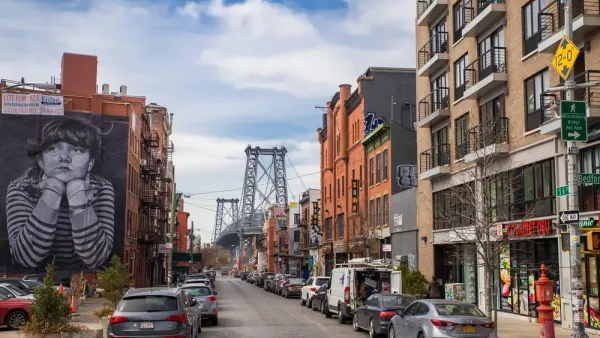
New York City Law Would Curb Illegal Hotel Conversions
A new law would crack down on illegal hotel conversions by increasing regulation of short-term rental companies like Airbnb.

Local Resistance to Short-Term Rentals Goes National
As more cities grapple with the growth of short-term rentals, trends in regulation are beginning to emerge.
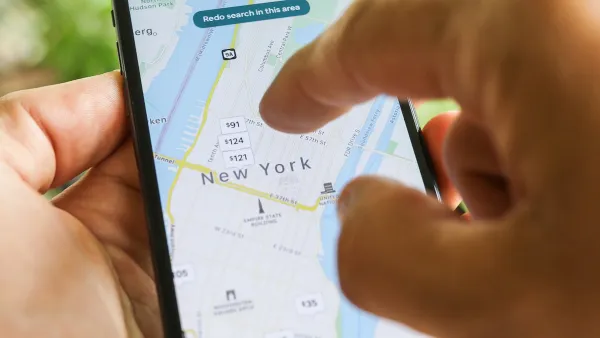
New York’s Airbnb Reform, One Month In
Less than half of submissions to the city’s new application process have been approved under new short-term rental regulations.

Planetizen Federal Action Tracker
A weekly monitor of how Trump’s orders and actions are impacting planners and planning in America.

The state-sanctioned urbicide of Austin
People don’t kill cities. Freeways do.

US to reduce Colorado River water deliveries to Mexico
A new Colorado Treaty amendment reduces Mexico’s Colorado River water allocation by 250,000 acre feet.

5 New England states march closer to 800 megawatt wind energy project
Securing federal approval for the project may be complicated under the Trump administration, which has historically been hostile towards domestic wind power.

Baltimore to break ground on $50 million Transit Priority Project
The project will bring faster bus trips, safer streets and better bike connections to Baltimore.

Airbnb launches $250 million 'last-dollar financing' housing accelerator, makes first investment in Austin
The company will put $6.4 million towards affordable housing development in Texas’ capital.

FREE Course: Walkable City 1: Why Walkability?
After describing his path towards focusing on walkability as the essence of good planning, Jeff Speck marches through his five principal reasons for making more walkable places.
Reinventing Malls: Planning Alchemy—Turning Gray Fields Into Gold
The course focuses on the opportunities and imperatives that shape reinvention of mall sites.

Eagle County Government
Harvard University Graduate School of Design
Nashville Planning Department
The Architects Foundation
University of Cincinnati Online
The Pocatello Development Authority
The Urban Renewal Agency of the City of Pocatello
Journal of the American Planning Association