A satirical post for McSweeney's about the typical approach to the country's growing number of homeless brought to mind a famous song by Meat Loaf.



"I'd Do Anything for Love (But I Won't Do That)" is stuck in my head after reading this satirical post by Homa Mojtabai. The premise is simple:
Homelessness in America has reached crisis levels and I am determined to do everything in my power to fix the problem as long as it doesn’t involve changing zoning laws or my ability to drive alone to work or, well, changing anything, really.
Pretty familiar sentiment, really, which is also why the song by Meatloaf made so much sense to so many people even while making no sense at all.
Enough about Meatloaf, though.
The article is a scathing indictment of the self-interest of wealthy Americans and the ongoing neglect of social and economic justice in the United States, as furthered by some anti-housing development and anti-homeless shelter political movements. Here's another sample, as a parting gift for the week:
I know we need more housing, but I was here first and I’m not giving up even one blade of grass on my water-guzzling, pesticide-leaching lawn or a single burner on my twelve-burner Viking range that I never actually use to house another human soul. Tough luck, homeless people. You and your allies can call me names but I won’t hear you over the lushness of my climate-inappropriate rose bushes and the stucco walls I’m paying some desperate immigrant under the table to build for me on the cheap before I low-key call ICE and have them deported.
FULL STORY: I WILL DO ANYTHING TO END HOMELESSNESS EXCEPT BUILD MORE HOMES

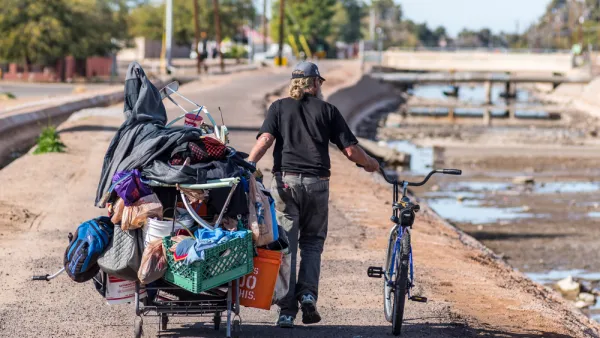
Phoenix Takes a New Approach on Homelessness
Phoenix is centering housing—affordable housing, permanent supportive housing, and eviction protections—in a new planning framework designed to reduce the number of homeless people living on the streets of the city.
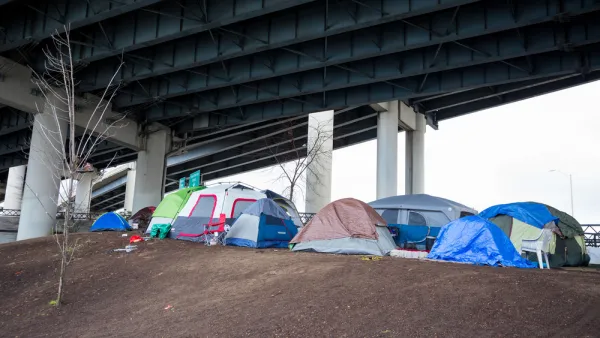
The Onion Has a Blistering Take on Congress' Idea of a Social Safety Net
The latest foray by The Onion into the world of planning satirizes the American tendency to prioritize highway spending over housing and the homeless.

S.F. Residents Sue to Block Homeless 'Navigation Center' on Environmental Grounds
A group called Safe Embarcadero for All is suing to block the construction of a homeless shelter on city-leased land across from piers 30-32 on the San Francisco waterfront.

The state-sanctioned urbicide of Austin
People don’t kill cities. Freeways do.

US to reduce Colorado River water deliveries to Mexico
A new Colorado Treaty amendment reduces Mexico’s Colorado River water allocation by 250,000 acre feet.

New Jersey’s second-largest city bans standalone data centers
Jersey City will continue to allow co-location facilities, such as those meant for research institutions that store their own data.

Amtrak not solely to blame for New Jersey commuter rail's unreliability, report finds
A new study from the Garden State Initiative found that NJ Transit’s budget grew 20% across a 4 year period, but reliability declined significantly over the same period.

EPA erases limits on planet-warming pollution from power plants
Under Monday’s plan, power plants would still have some limits on how much mercury, arsenic and other contaminants they can emit.

Phoenix announces new on-demand transit service, more frequent RAPID buses
Both new services will launch in October, and are part of Phoenix's Project Effective Access Solutions for Easing Congestion.

FREE Course: Walkable City 1: Why Walkability?
After describing his path towards focusing on walkability as the essence of good planning, Jeff Speck marches through his five principal reasons for making more walkable places.
Reinventing Malls: Planning Alchemy—Turning Gray Fields Into Gold
The course focuses on the opportunities and imperatives that shape reinvention of mall sites.

Eagle County Government
Harvard University Graduate School of Design
Nashville Planning Department
The Architects Foundation
University of Cincinnati Online
The Pocatello Development Authority
The Urban Renewal Agency of the City of Pocatello
Journal of the American Planning Association