Single-family rentals are the fastest growing segment of the U.S. housing market—and they're not going away anytime soon, a new study suggests.



A new study from UC Berkeley's Terner Center for Housing Innovation explores the drivers behind the rise of single-family home rentals, and makes policy recommendations to aid this fast-growing group of tenants.
According to the paper, both market conditions and lifestyle preferences are funneling renters into houses rather than apartment buildings. "A boom in single-family home construction in the early 2000s followed by the recession and foreclosure crisis positioned many families with a need to rent, and many formerly-owned homes with a need for occupants," the authors' summary reads. At the same time, "single-family rental homes also serve as a good option for families seeking the amenities of a detached home in a suburban neighborhood, but without the commitment or barriers associated with ownership."
Still, the majority of renters in single-family houses hope to become homeowners. And they face the same affordability challenges as other renters nationwide, as well as challenges unique to single-family properties. The report suggests renter's tax credits and lease-to-own models could alleviate some of these difficulties.
FULL STORY: Renting the Dream: The Rise of Single-Family Rentals

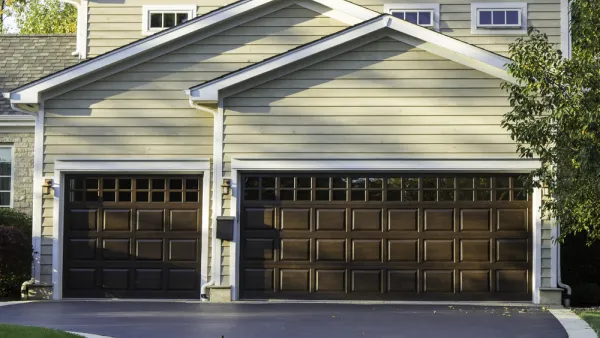
Single-Family and Build-to-Rent Homes Growing in Size
As people perform more daily functions at home, homeowners and renters are seeking larger footprints to accommodate a broader range of uses.
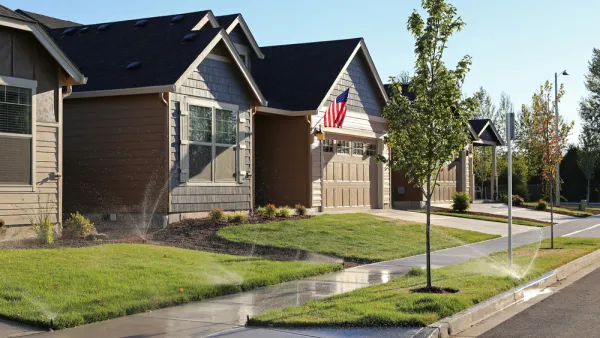
'Wall Street's Latest Real Estate Grab'
Seeing an opportunity for massive profits, private companies have snapped up homes and become corporate landlords in cities across the country.
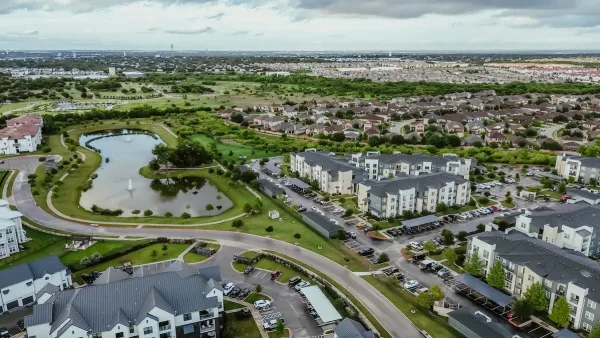
Rents Rose Between December and January
After dropping to a three-year low, U.S. rent costs grew in many major cities.

Planetizen Federal Action Tracker
A weekly monitor of how Trump’s orders and actions are impacting planners and planning in America.

The state-sanctioned urbicide of Austin
People don’t kill cities. Freeways do.

US to reduce Colorado River water deliveries to Mexico
A new Colorado Treaty amendment reduces Mexico’s Colorado River water allocation by 250,000 acre feet.

Colorado’s Largest Data Center Could Rise Next to Homes — Without a Public Hearing
The proposed campus would consume 11 times the power of Denver International Airport; as it has across the country, opposition mounts.

5 New England states march closer to 800 megawatt wind energy project
Securing federal approval for the project may be complicated under the Trump administration, which has historically been hostile towards domestic wind power.

Baltimore to break ground on $50 million Transit Priority Project
The project will bring faster bus trips, safer streets and better bike connections to Baltimore.

FREE Course: Walkable City 1: Why Walkability?
After describing his path towards focusing on walkability as the essence of good planning, Jeff Speck marches through his five principal reasons for making more walkable places.
Reinventing Malls: Planning Alchemy—Turning Gray Fields Into Gold
The course focuses on the opportunities and imperatives that shape reinvention of mall sites.

Eagle County Government
Harvard University Graduate School of Design
Nashville Planning Department
The Architects Foundation
University of Cincinnati Online
The Pocatello Development Authority
The Urban Renewal Agency of the City of Pocatello
Journal of the American Planning Association