Toll road projects using a public-private partnership often have non-compete clauses that protect the private partner if nearby projects impact profits. Maryland wants to exempt transit from those clauses.


"The Maryland General Assembly passed a bill this week that will free state-funded transit projects from the threat of non-compete clauses in state contracts with private toll lane operators," reports Sean Emerson.
According to Emerson, the bill represents a win for public transit investments, because "Maryland can invest in transit improvements adjacent to potential toll lanes without having to pay off a private toll operator for the privilege."
And there are toll lane projects ongoing in Maryland, where "the Hogan administration has proposed an extensive P3 to construct express toll lanes on I-270 and the Capital Beltway which will in all likelihood include such a clause," according to Emerson. The plan does not include any transit, but the "state has long planned to upgrade MARC rail service, especially the Brunswick Line between Frederick and DC, and this bill guarantees that the state will not need to compensate a private toll lanes operator for lost revenue should the state implement those MARC service enhancements."
FULL STORY: Maryland passes a bill to protect transit from non-compete clauses

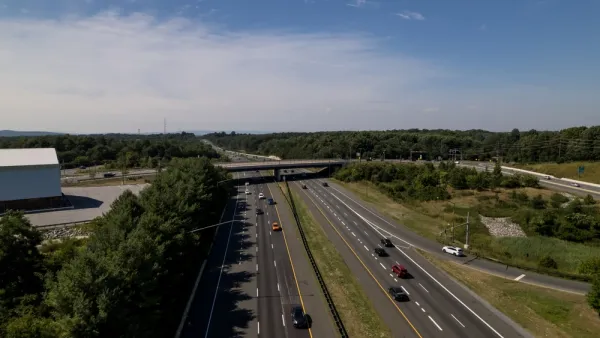
Feds Block Maryland Toll Lane Project
Maryland Governor Larry Hogan says the state was “blindsided” by the decision, which further delays the $7.6 billion plan.
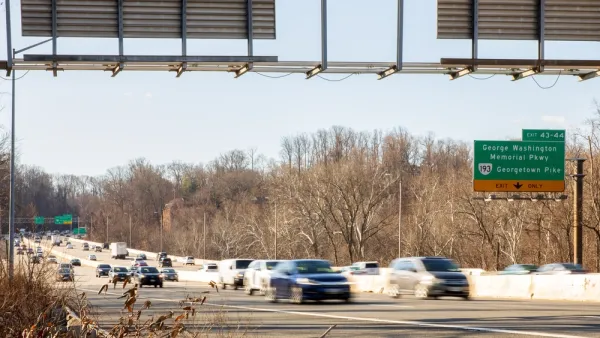
Maryland Toll Lane Plan Gains Federal Approval
In a victory for Governor Larry Hogan, who has championed the project, the Federal Highway Administration is allowing the Beltway expansion project to move ahead.
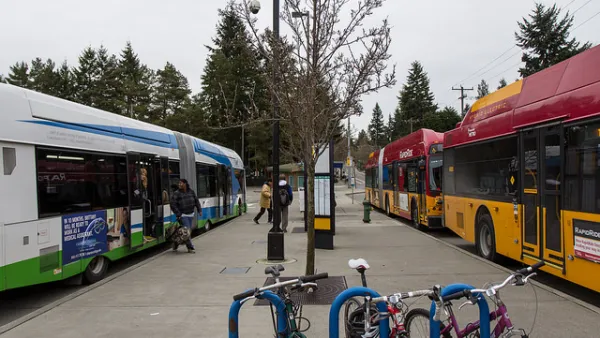
Regional Transit Investment Priorities Set for Puget Sound
Funding allocations under consideration at the Puget Sound Regional Council give an indication of the region's public transit priorities.

The state-sanctioned urbicide of Austin
People don’t kill cities. Freeways do.

US to reduce Colorado River water deliveries to Mexico
A new Colorado Treaty amendment reduces Mexico’s Colorado River water allocation by 250,000 acre feet.

New Jersey’s second-largest city bans standalone data centers
Jersey City will continue to allow co-location facilities, such as those meant for research institutions that store their own data.

Amtrak not solely to blame for New Jersey commuter rail's unreliability, report finds
A new study from the Garden State Initiative found that NJ Transit’s budget grew 20% across a 4 year period, but reliability declined significantly over the same period.

EPA erases limits on planet-warming pollution from power plants
Under Monday’s plan, power plants would still have some limits on how much mercury, arsenic and other contaminants they can emit.

Phoenix announces new on-demand transit service, more frequent RAPID buses
Both new services will launch in October, and are part of Phoenix's Project Effective Access Solutions for Easing Congestion.

FREE Course: Walkable City 1: Why Walkability?
After describing his path towards focusing on walkability as the essence of good planning, Jeff Speck marches through his five principal reasons for making more walkable places.
Reinventing Malls: Planning Alchemy—Turning Gray Fields Into Gold
The course focuses on the opportunities and imperatives that shape reinvention of mall sites.

Eagle County Government
Harvard University Graduate School of Design
Nashville Planning Department
The Architects Foundation
University of Cincinnati Online
The Pocatello Development Authority
The Urban Renewal Agency of the City of Pocatello
Journal of the American Planning Association