A highly anticipated linear park project in Philadelphia will open this year. Planners and activists have been working in anticipation of increased pressure on the local housing market.


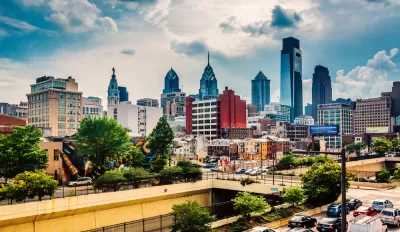
Mark Dent reports on the ongoing effort in Philadelphia to insulate neighborhoods along the planned route of the Rail Park from the forces of gentrification. With Phase I of the park planned to open in the spring, planners and neighborhood activists are wary of comparisons of the project to New York's Nigh Line—and rents are already rising.
The article introduces the dynamics at work in the Chinatown neighborhood that will be home to the highly anticipated new Rail Park, the plan for the park, and the people and organizations working to create new affordable housing to stem the tide of rising rents in the area. Dent also raises a comparison to the 11th Street Bridge project in Washington, D.C., which has set similar goals for preserving housing affordability in the neighborhoods connected to that project.
Read the full story: LESSONS FROM THE HIGH LINE
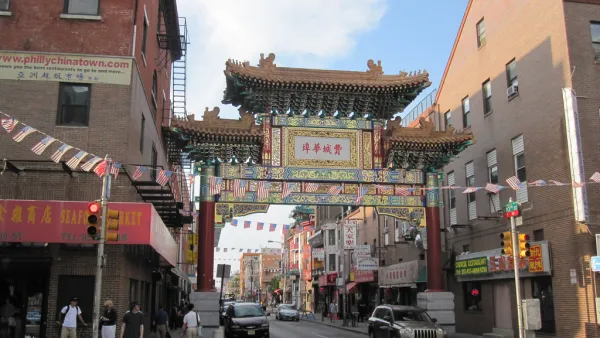
Equitable Development Plan Aims To Protect Philly's Chinatown
As the historic neighborhood experiences increased redevelopment around the new Rail Park, community activists are working to ensure older residents and businesses aren't displaced in the process.
Philadelphia's Chinatown Stays Resilient Against Displacement
With the construction of a new community center and housing, Philadelphia's Chinatown sees a more secure future for the historic neighborhood
Philadelphia Gentrification: A Historical Perspective
Gentrified in the 1960s during the height of urban renewal, Society Hill is a historical precedent as Philadelphia confronts present-day gentrification.

Planetizen Federal Action Tracker
A weekly monitor of how Trump’s orders and actions are impacting planners and planning in America.

California plans to bury El Niño’s downpour
If the state plays its cards right, it may be able to store a billion acre-feet of El Niño’s water in aquifers.

Desperate measures: Advocates weigh draining Lake Powell to fill Colorado River
Draining the reservoir could reduce evaporation losses by a couple hundred thousand acre-feet.

Chicago voters approve permanent festival grounds, penalty for vacant property owners
Currently, major summer and fall festivals take over public parks for weeks at a time, drawing criticism from nearby residents

NYC votes to cut outdoor dining red tape, speed up permitting
New York City also voted to allow the Department of Transportation to begin work on urgent projects before notifying elected officials.

California appears to reject Prop. 45
The proposition would have expanded the projects that qualify for a streamlined environmental review, effectively paring down the California Environmental Quality Act.

FREE Course: Walkable City 1: Why Walkability?
After describing his path towards focusing on walkability as the essence of good planning, Jeff Speck marches through his five principal reasons for making more walkable places.
Reinventing Malls: Planning Alchemy—Turning Gray Fields Into Gold
The course focuses on the opportunities and imperatives that shape reinvention of mall sites.

City of Rosemead
Rutgers University, Edward J. Bloustein School of Planning and Public Policy
One Hundred Miles
Hunter College, City University of New York (CUNY)
The Architects Foundation
University of Cincinnati Online
City of Cambridge
Montrose County
The Pocatello Development Authority