Whether climate change 'caused' the California fires is a red herring, argues disaster resiliency expert Dave Hampton, in this first part in a series on lessons from the California fires about climate change.


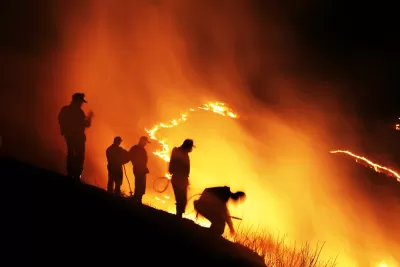
Media reporting on the relationship between the recent devastating wild fires in California and climate change have demonstrated the confusion between attribution and contribution. While disasters like fires can never be directly attributed to climate change, Dave Hampton, a natural disaster resiliency specialist, argues there is little doubt climate change is:
. . . creating the preconditions for them to occur or to be more intense or prolonged – such as the higher winds and an overall drier season that have driven the Skirball and Thomas fires, threatening nearly 200,000 acres in California . . . [The] point is, rather, not to get too hung up on causation for particular events, but rather to acknowledge the changing climate as a driver and contributor to making natural events events such as wildfires, droughts, and flooding more severe.
Accordingly, planning for the 'wildland-urban interface' will require heightened and more proactive measures than in the past. For more, see source article.
Read the full story: Lessons from the California Fires: Climate Change Impacts and Proactive Planning (part 1)

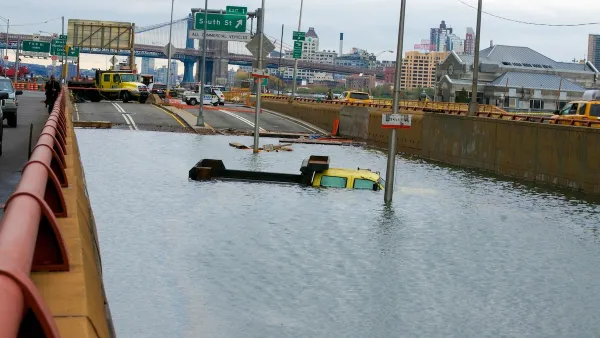
Over a Quarter of US Homes Face ‘Severe or Extreme’ Climate Risk
The number of U.S. homes at risk from hurricanes, fires, or flooding is valued at close to $13 trillion.
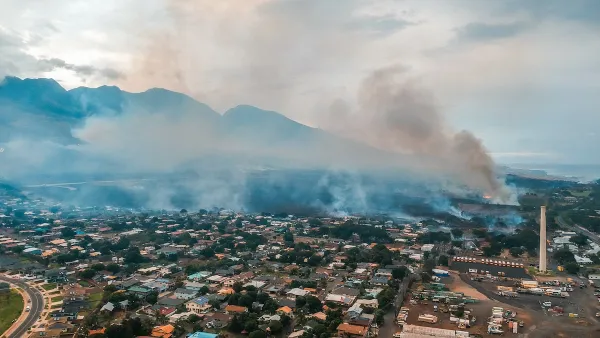
Maui's Deadly Firestorm: Investigating the Tragedy and Lessons for the Future
FRONTLINE's Maui’s Deadly Firestorm investigates the 2023 Lahaina wildfire, uncovering critical failures in preparedness and response while examining the tragedy’s causes, impact, and lessons for future disaster prevention.
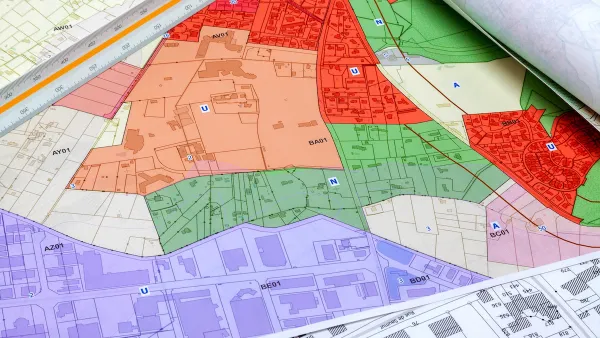
How Zoning Affects Greenhouse Gas Emissions
As the urgency of the climate crisis increases, a paper in the Notre Dame Law Review argues that increased density is not a universally effective strategy to reduce emissions and that different strategies are needed for low-carbon places versus high-carbon ones.

Planetizen Federal Action Tracker
A weekly monitor of how Trump’s orders and actions are impacting planners and planning in America.

The state-sanctioned urbicide of Austin
People don’t kill cities. Freeways do.

US to reduce Colorado River water deliveries to Mexico
A new Colorado Treaty amendment reduces Mexico’s Colorado River water allocation by 250,000 acre feet.

Nation's most wind-powered state turns to coal as data centers increase energy demand
For the first time in decades, Iowa has increased its generation of coal power.
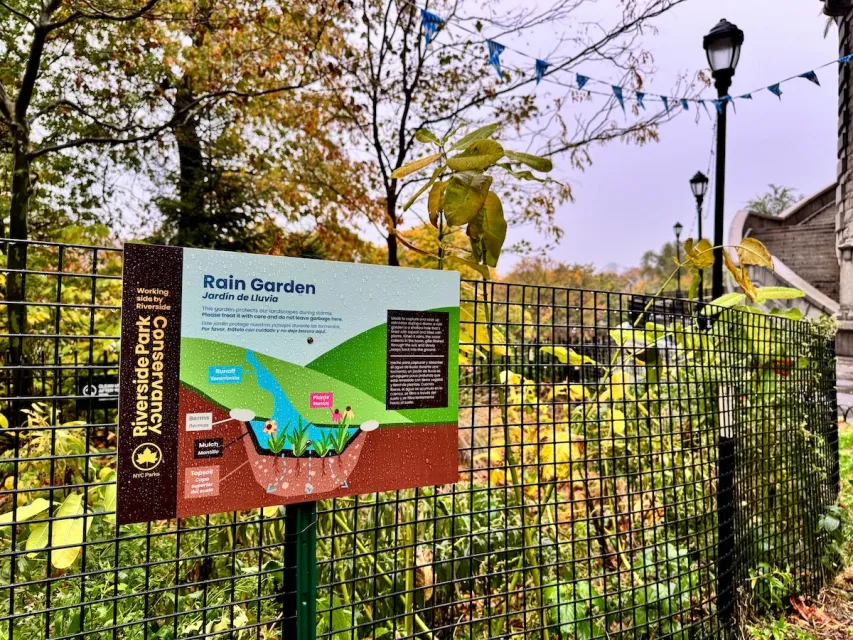
NYC cools commuters with city's first rain garden above a bus stop
New York City officials say the plants in the rain garden can absorb 16 gallons of rainwater during heavy storms.

Brightline West’s future may rely on $6 billion federal loan
The company has until Nov. 2 to make a $400 million equity investment into its proposed high-speed rail line.

FREE Course: Walkable City 1: Why Walkability?
After describing his path towards focusing on walkability as the essence of good planning, Jeff Speck marches through his five principal reasons for making more walkable places.
Reinventing Malls: Planning Alchemy—Turning Gray Fields Into Gold
The course focuses on the opportunities and imperatives that shape reinvention of mall sites.

Greater Baltimore Committee
Eagle County Government
Harvard University Graduate School of Design
The Architects Foundation
University of Cincinnati Online
The Pocatello Development Authority
The Urban Renewal Agency of the City of Pocatello
Journal of the American Planning Association